111 modelos, 20 nuevos

Selector idioma


How is the material selection process
carried out in a home?

We explain how material selection meetings are developed
and which aspects are considered when defining the finishes of a home.

Material selection meetings are one of the most important moments in the entire project. This is the point at which the home stops being just a layout on a plan and begins to take on its identity.

During this session, decisions are made that directly affect the level of finishes, material combinations and how they interact within each space. It is not simply about choosing materials individually, but about defining a coherent whole that works aesthetically, functionally and constructively.


What is a material selection session like?

At Casas inHAUS, this session takes place once the concept design has been defined, at a stage where the spatial layout is already resolved, but the character of the home is yet to be specified.

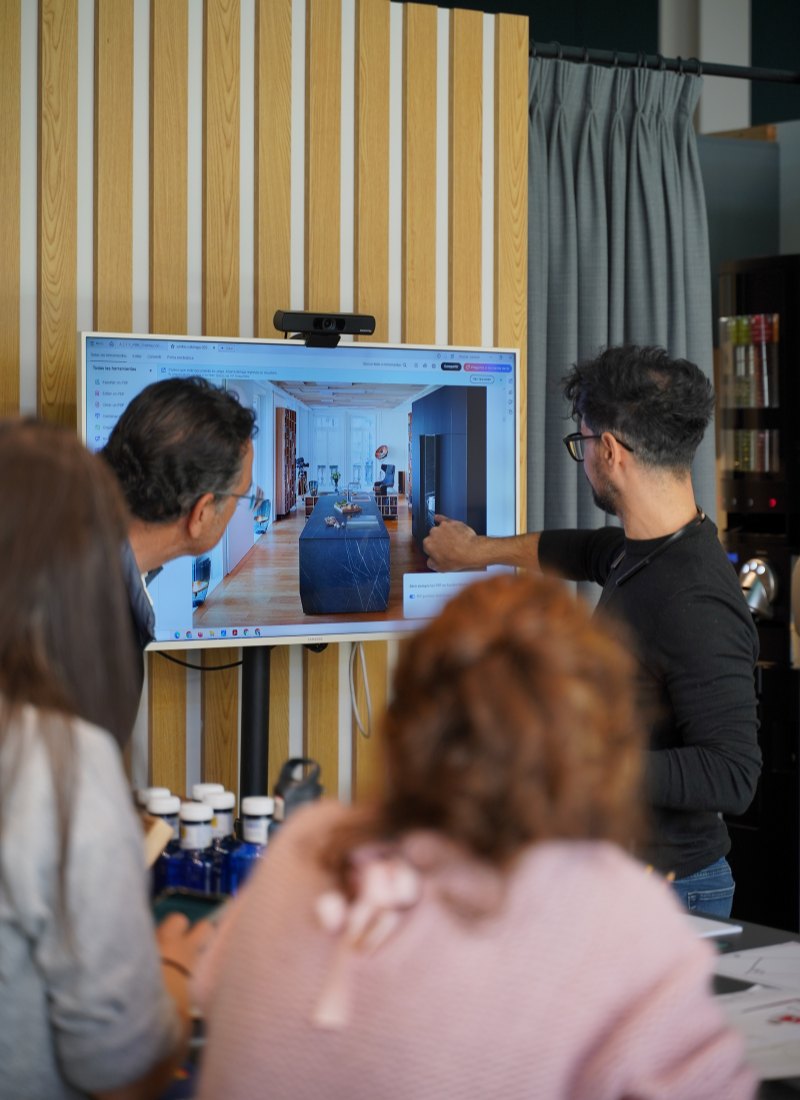
It is a working session in which the client, together with the inHAUS team and the project manager, defines all the finishes of the home. The objective is clear: to fully define the project before moving into the construction phase.

During this session, every decision is reviewed from both a technical and aesthetic perspective, anticipating how materials will perform as a whole and avoiding on-site improvisation.

Selección materiales vivienda
Selección materiales madera porcelánico

What types of materials
are selected in a home?

Material selection is not a set of isolated decisions, but a structured process that moves from general to specific. It begins with the external elements of the home and progresses towards the interior spaces.

External envelope

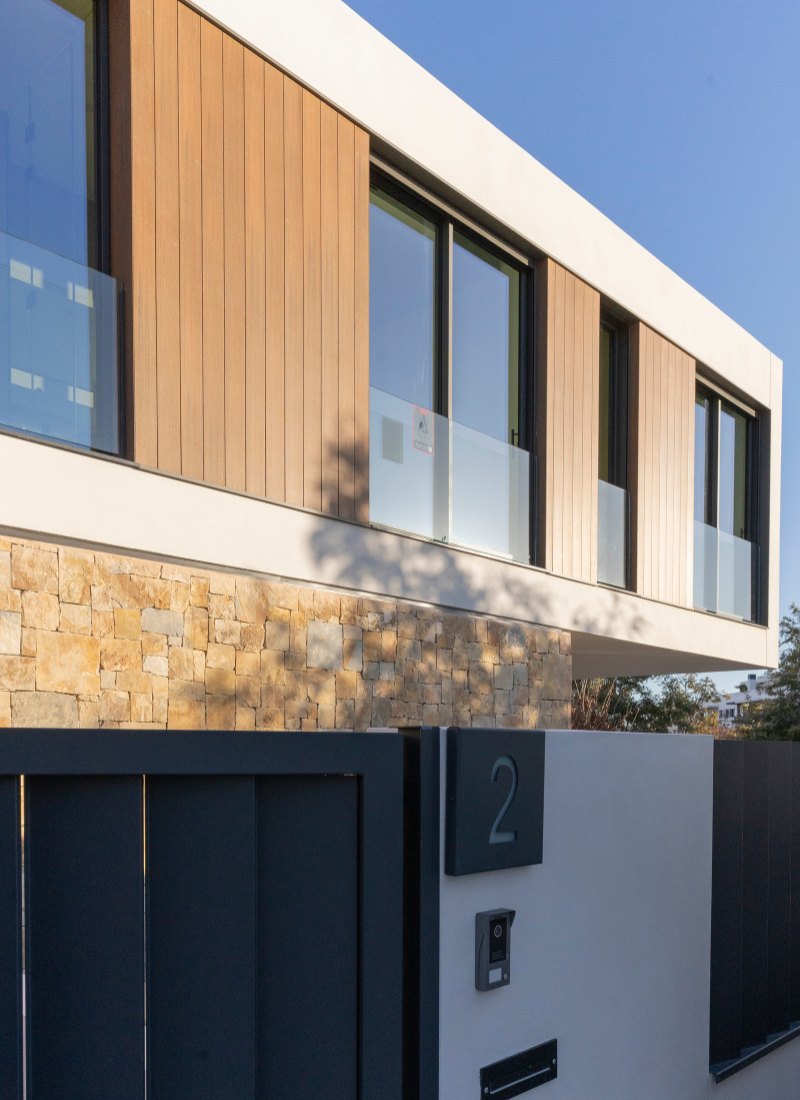
At this stage, the materials that define the external appearance of the home are selected, including façade systems, window and door systems, external finishes and other visible construction elements. 

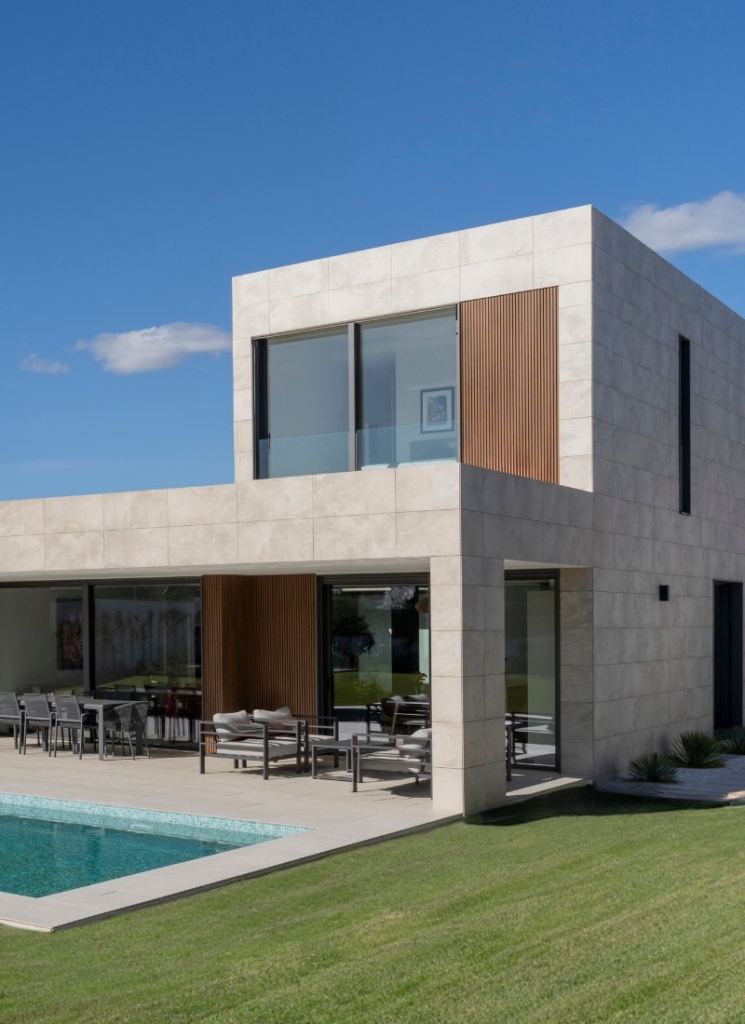
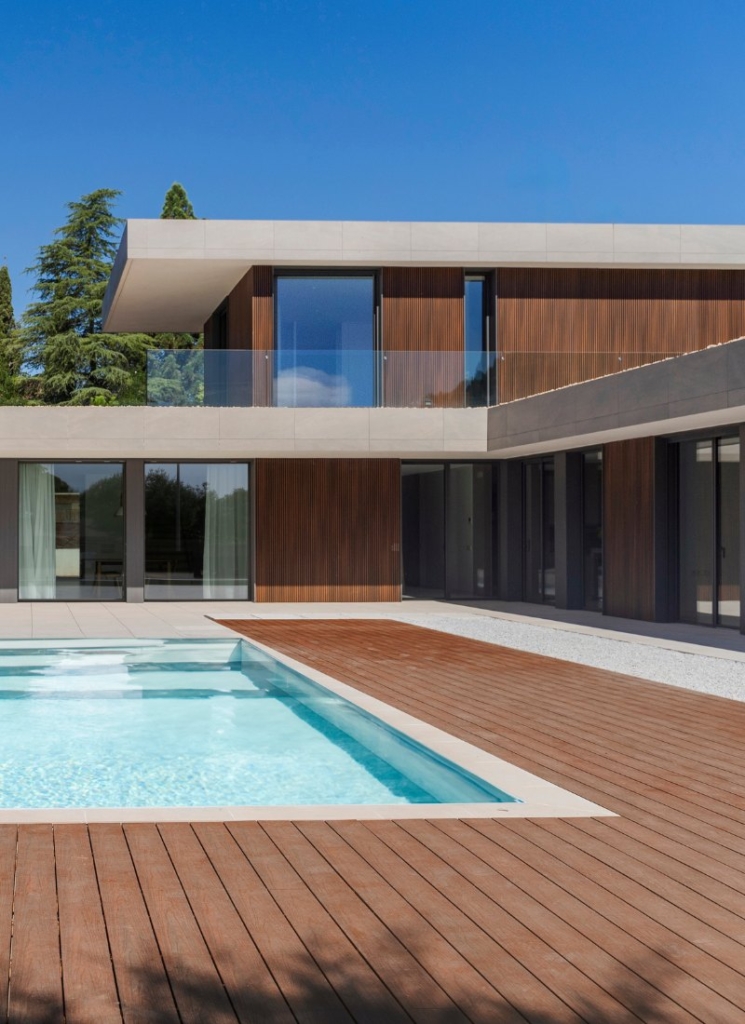
Materials such as engineered timber, monocouche render or natural stone allow different requirements to be addressed, from durability and low maintenance to warmth and character.

This is not only an aesthetic decision. The building envelope acts as the first barrier against external conditions and directly influences key aspects such as durability, maintenance and the building’s performance in relation to natural light, moisture and wind.


Flooring and wall finishes

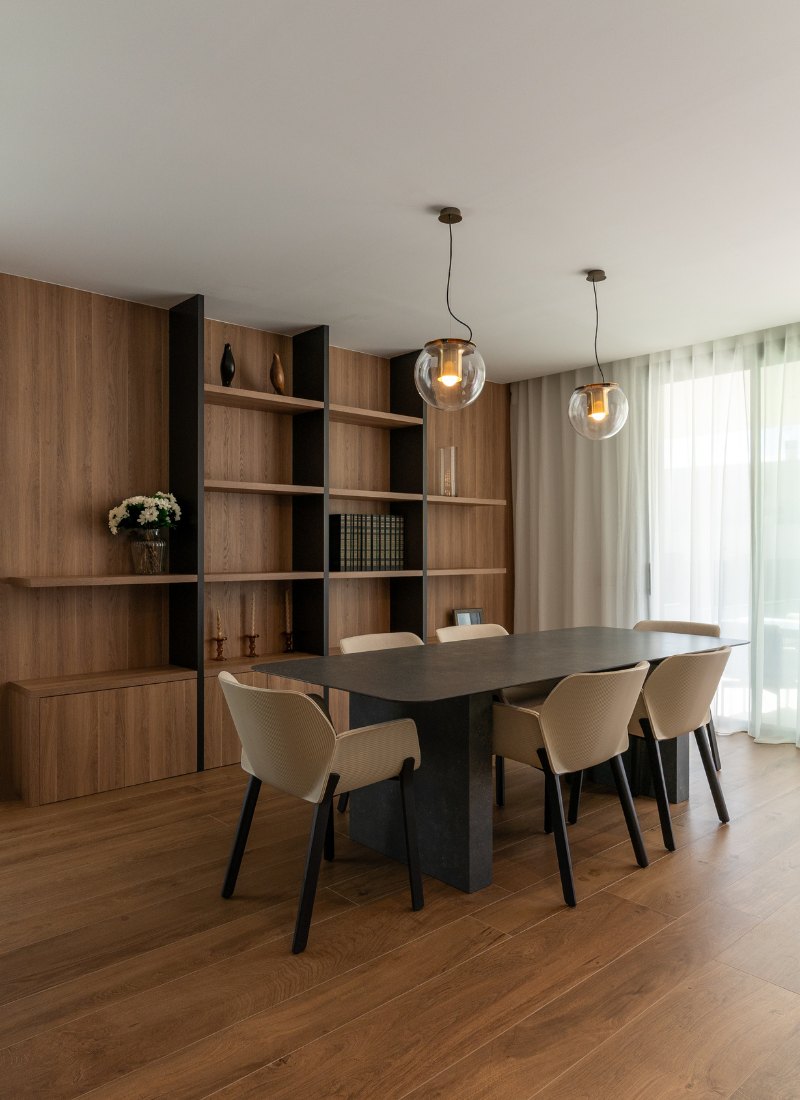
Flooring and wall finishes throughout the home are selected, considering continuity between spaces, transitions and relationships between materials.

Beyond the choice of material itself, aspects such as format, jointing, installation pattern or changes in finish can significantly alter the perception of a space. A solution suitable for high-traffic areas is not the same as for bedrooms or more private areas.

The goal is to find solutions that perform well in everyday use without compromising the overall aesthetic coherence of the project.

Kitchen, bathrooms and other elements

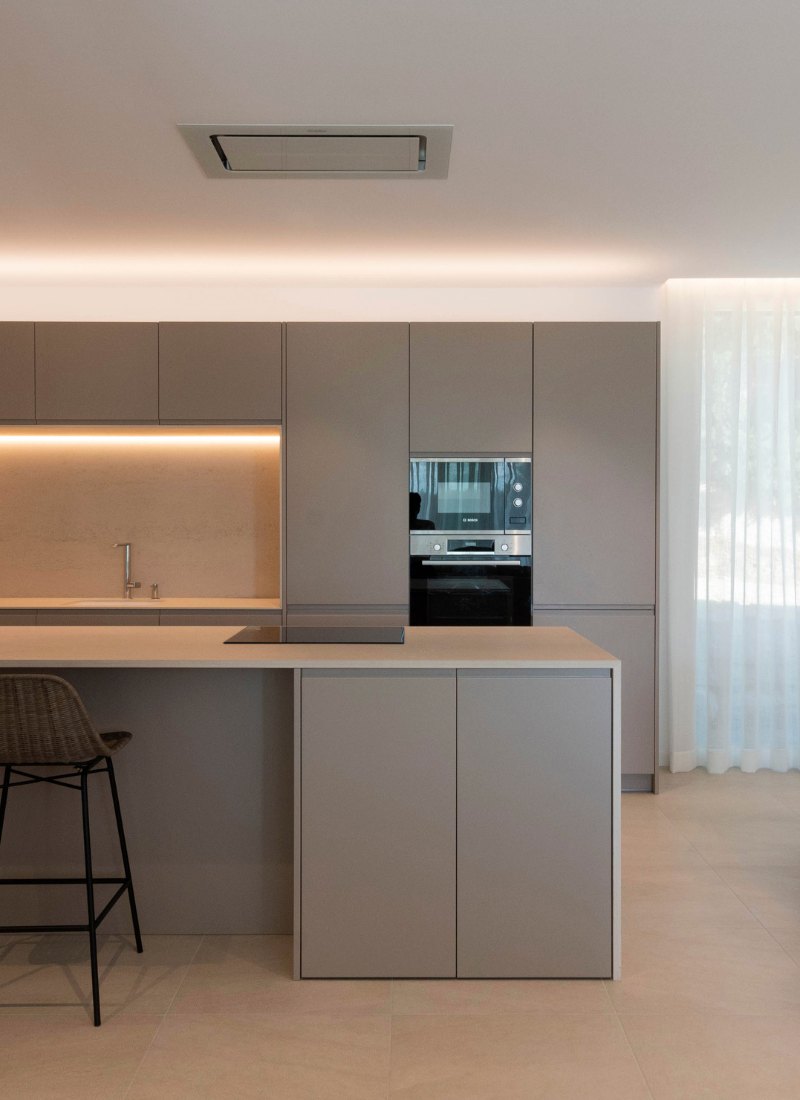
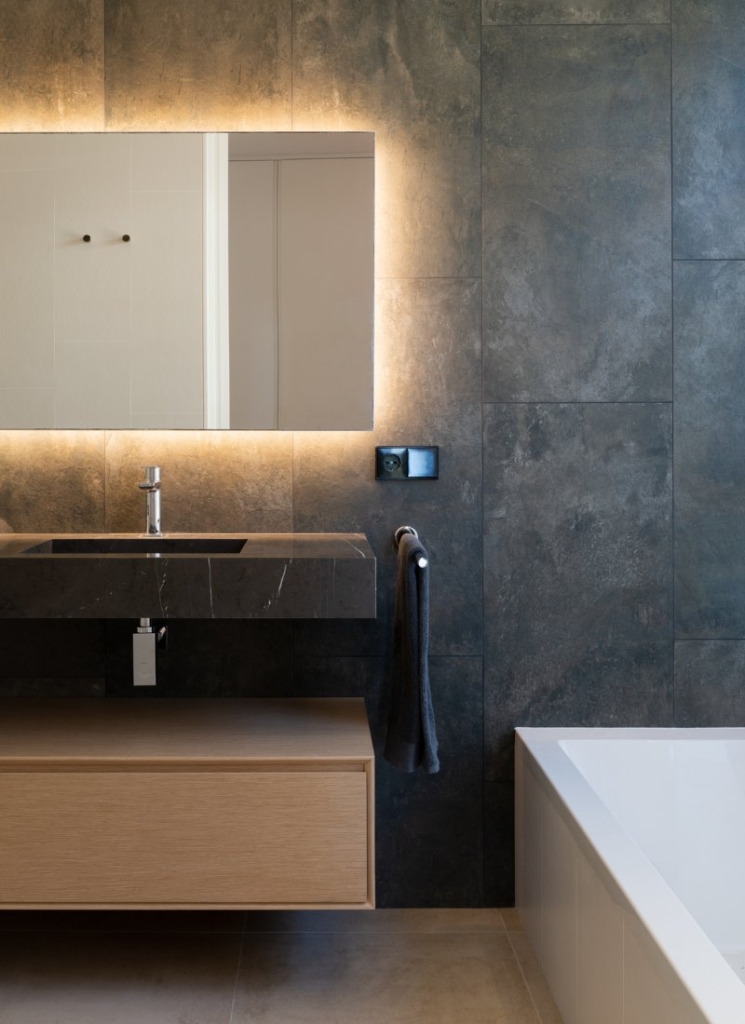
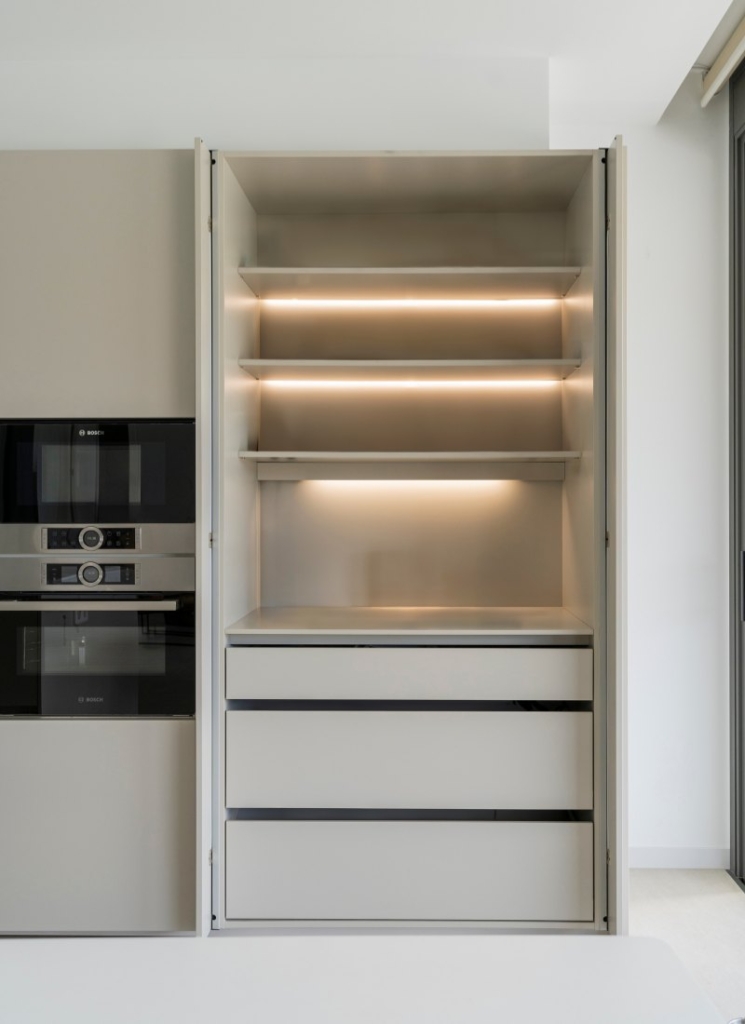
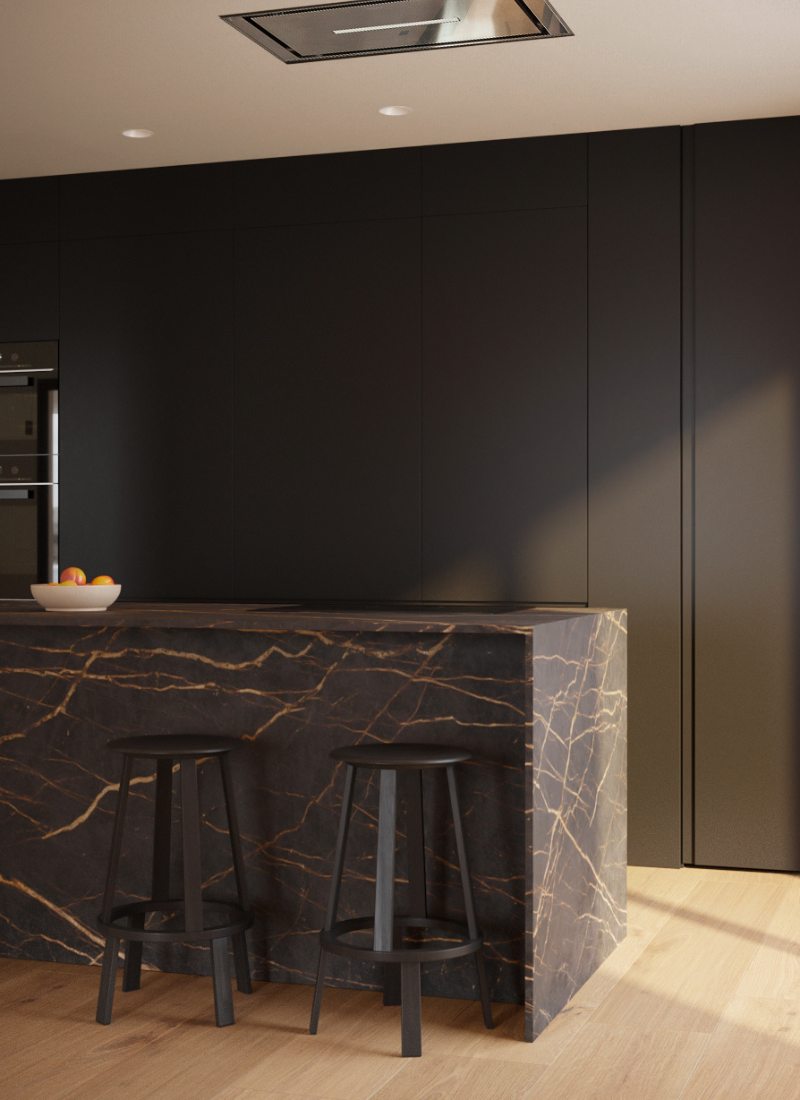
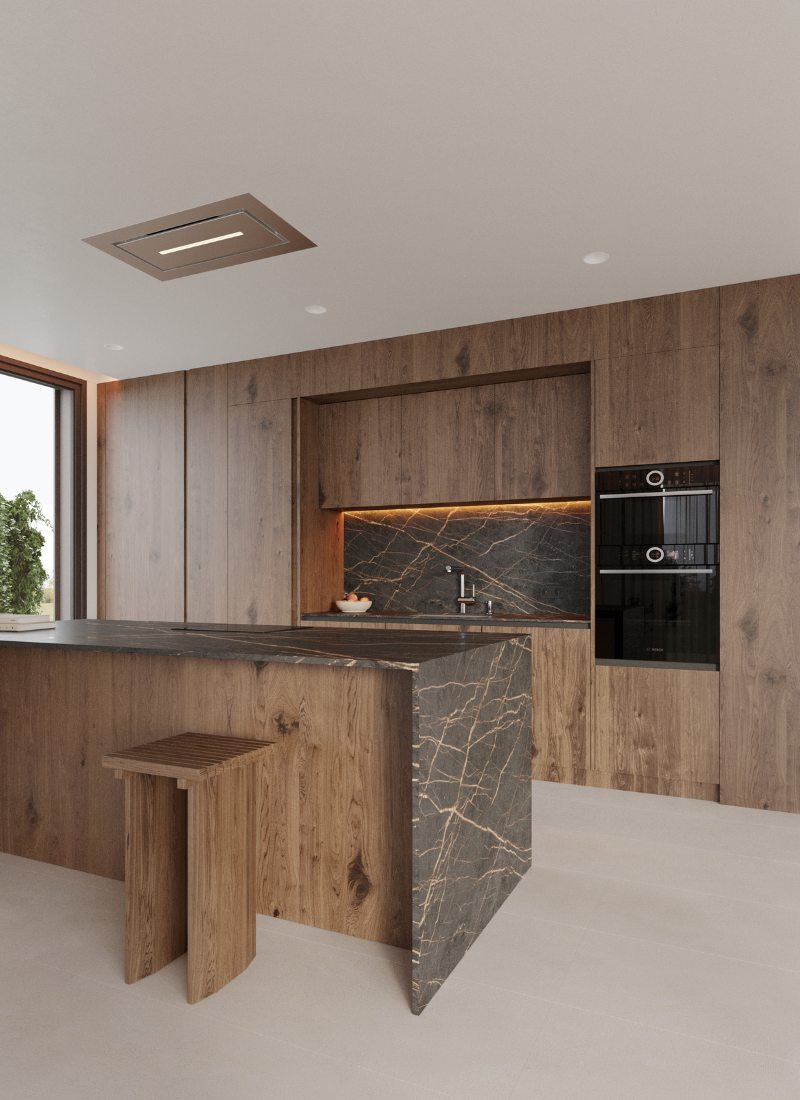
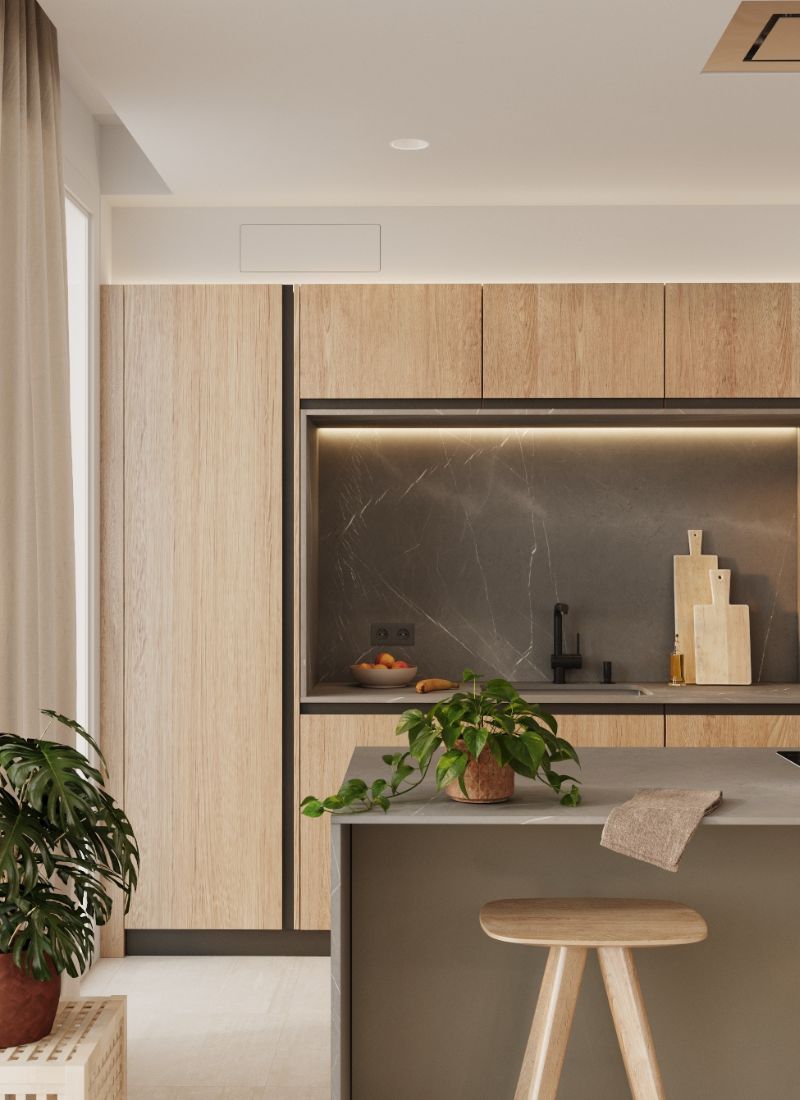
Wet areas concentrate a large part of the technical and functional decisions within the project. Here, worktops, cabinetry, sanitaryware, brassware and specific finishes are defined.

In these spaces, materials must withstand intensive use, humidity, constant contact with water, cleaning products and temperature changes.

Achieving the right balance between aesthetics, functionality and durability is particularly important.

Selección materiales cocina

Internal joinery and lighting

At this stage, key elements that shape the user experience are defined.

Joinery elements such as doors, wardrobes, fronts and finishes help unify the overall design. The choice of materials, tones and construction details directly influences the perception of continuity and spatial order.

 Lighting is not approached solely from a technical perspective, but as a tool that enhances the architecture.

These decisions ultimately define the atmosphere of the home and must be aligned with the overall concept.

What should be considered
when choosing materials for a home?

Material selection is not based solely on aesthetic criteria. Factors such as the use of each space, natural light, artificial lighting and maintenance requirements determine which solutions are most appropriate.

For this reason, material selection must be approached from a global perspective, considering how materials will perform in everyday use and how they integrate within the overall design. Taking these aspects into account from the outset allows for more coherent decisions and helps avoid issues during daily use.

Actual use of each space

Each space has different requirements. Flooring for high-traffic areas differs from that used in bedrooms, just as materials for a primary residence differ from those in a second home. 

Understanding how each space will be used is essential. Materials should respond to real use, not just aesthetics.

Maintenance and durability

All materials require maintenance, but not to the same extent. Some offer greater resistance to wear, moisture or intensive use, while others require more care to maintain their appearance. 

Choosing correctly means finding the right balance between aesthetics, durability and a manageable level of maintenance.

Natural light and surroundings

The perception of materials changes depending on lighting conditions. The same finish can appear completely different depending on the orientation of the home, the amount of natural light or its surroundings. 

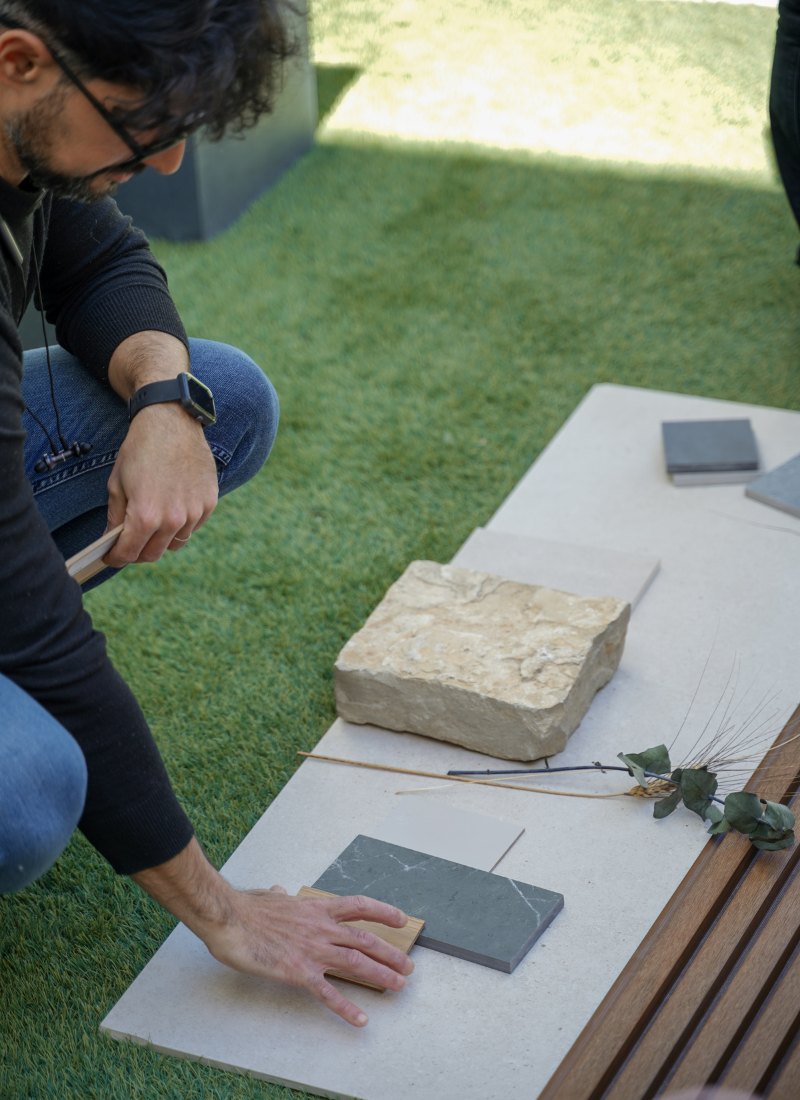
It is therefore essential to evaluate materials in real conditions, not just from samples or catalogues.

Material coherence

One of the most common mistakes is selecting each material independently. The final result depends on how materials work together, as their coherence defines the overall style of the home. 

Working with a global vision allows continuity between spaces, balanced combinations and a cohesive overall result.

The inHAUS experience

Selecting the right materials is just as important as designing the home itself. To achieve this, the process must be clear, structured and well guided.

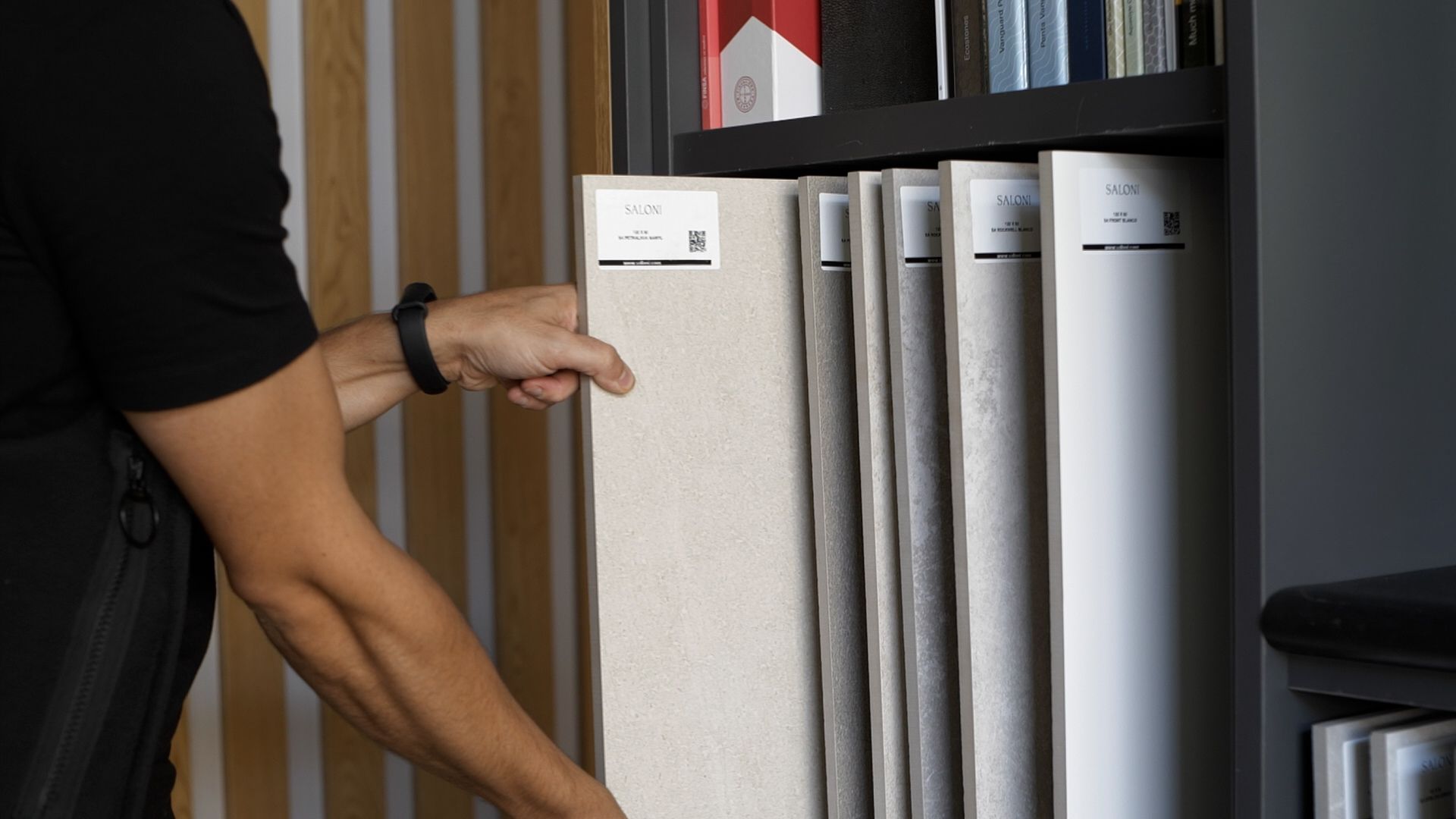
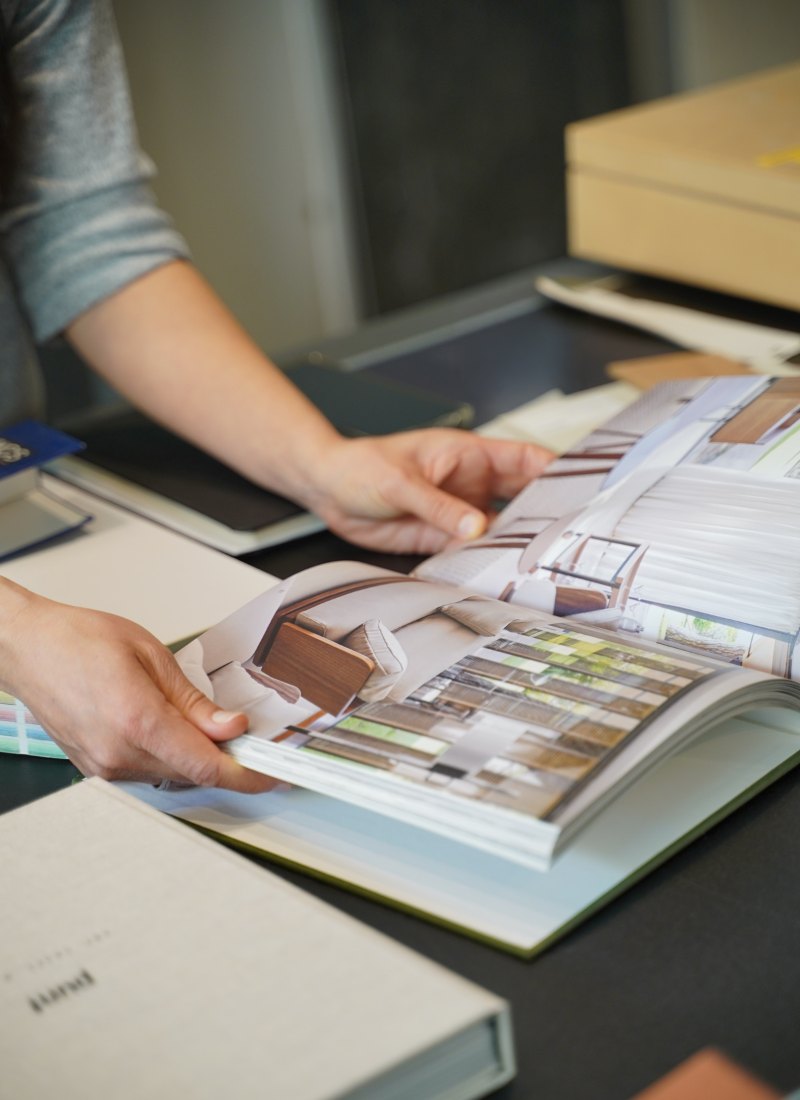
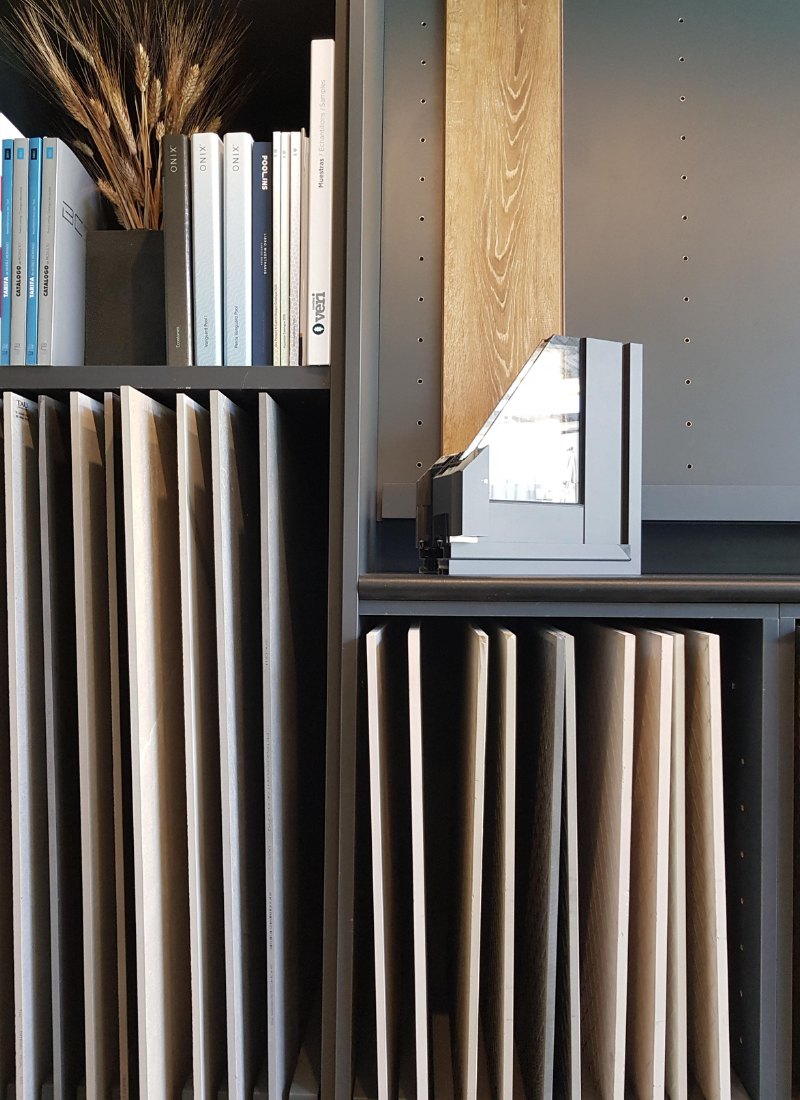
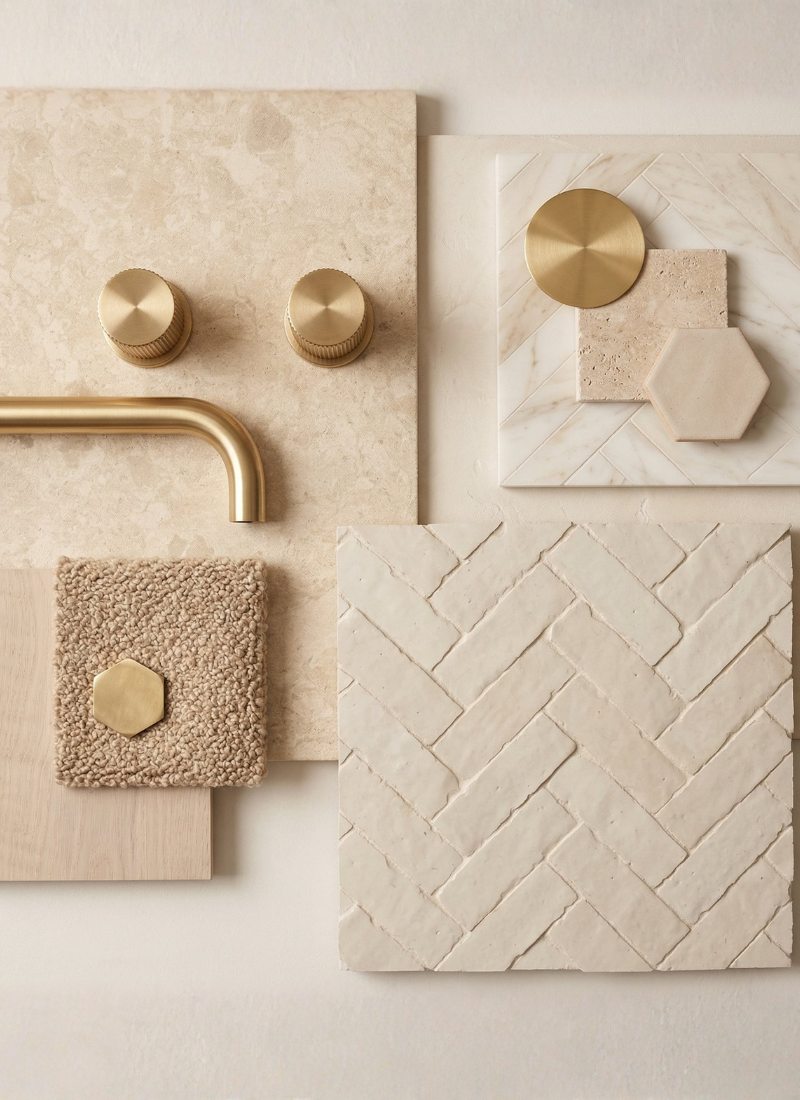
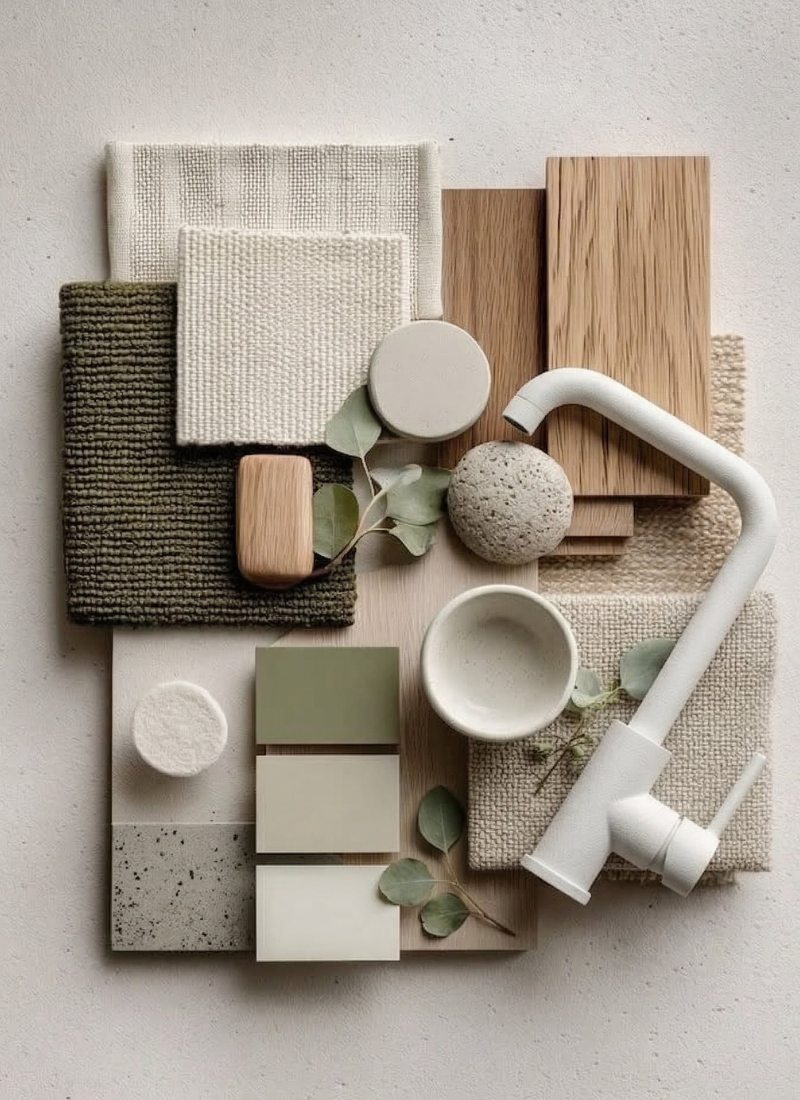
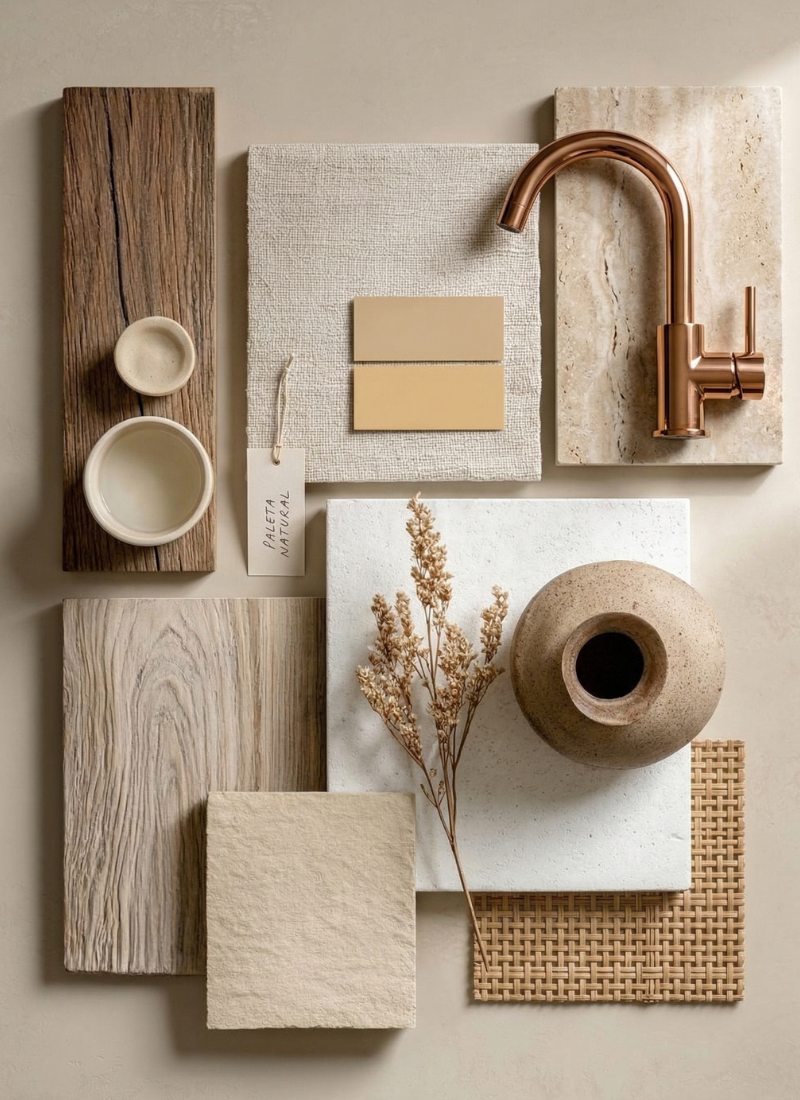
At Casas inHAUS, this session takes place in a dedicated space where clients can see, touch and compare real materials. The material library and sample collections allow decisions to be made using physical references, reducing misinterpretation.

Throughout the process, the team provides guidance based on the project, budget and the client’s lifestyle.

The result is a streamlined, coherent and well-informed decision-making process.

Selección materiales vivienda en ceramoteca
Jornada selección materiales

Next steps after defining
the style of the home

Once the session is completed, all the selected information is integrated into the project development.

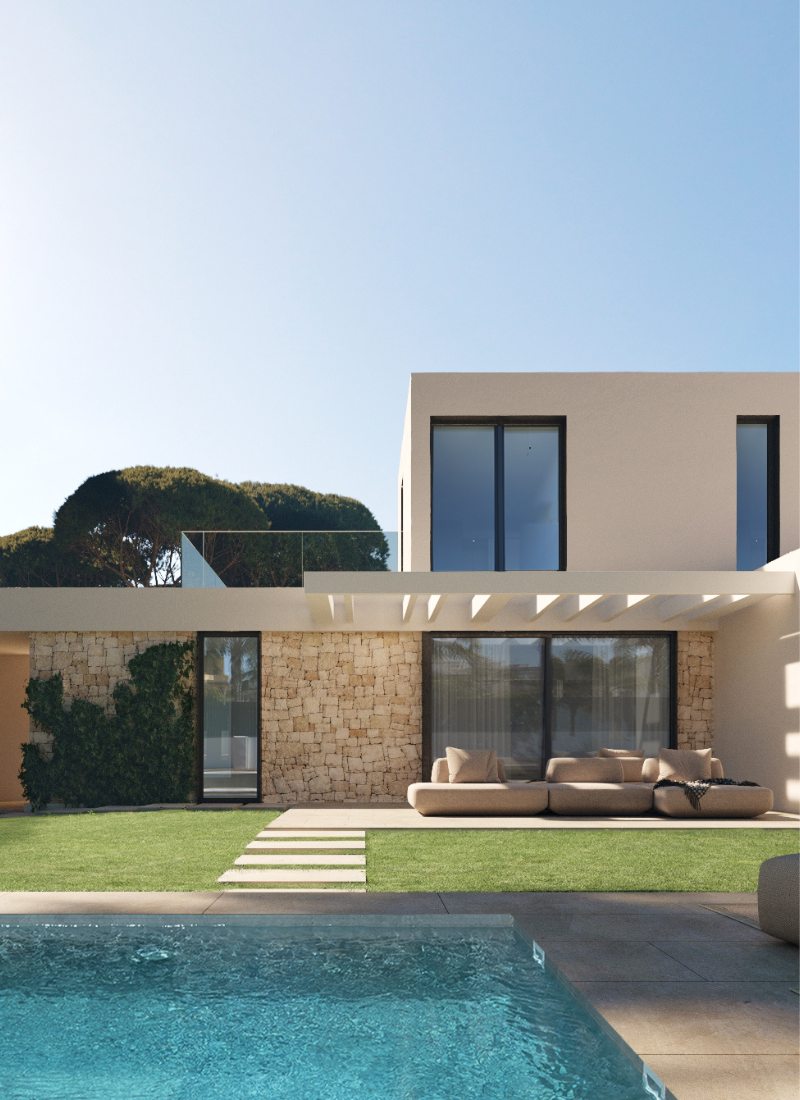
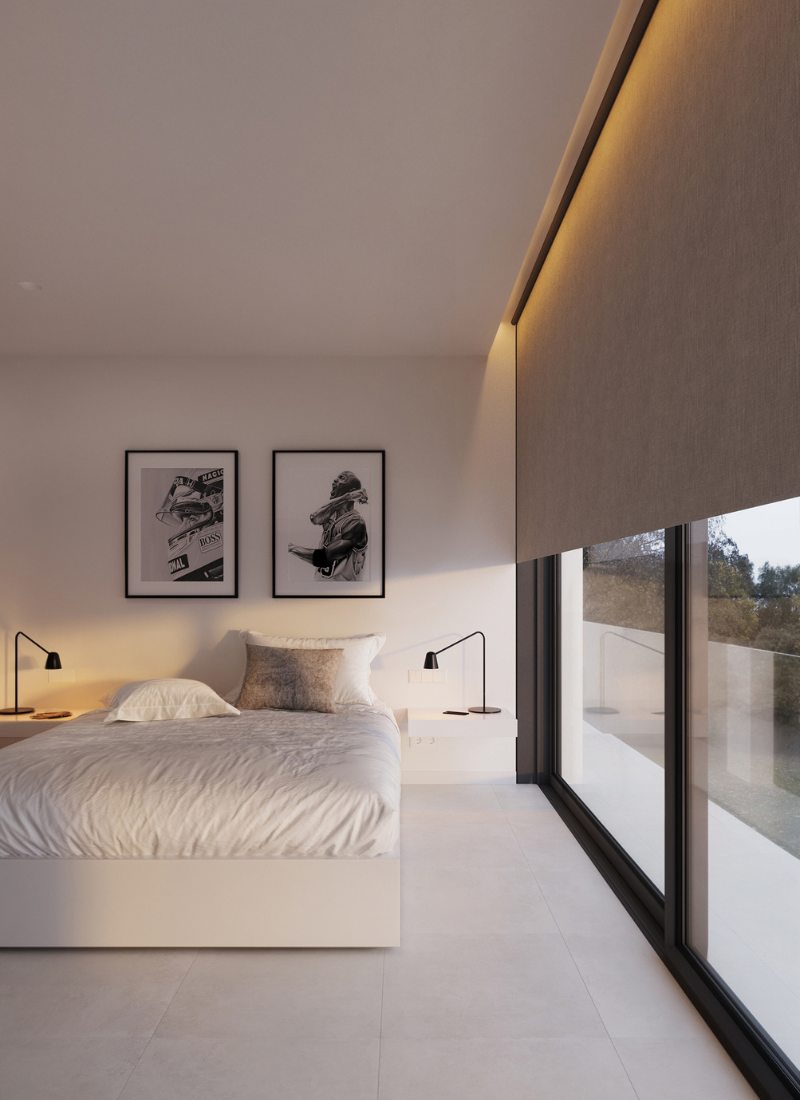
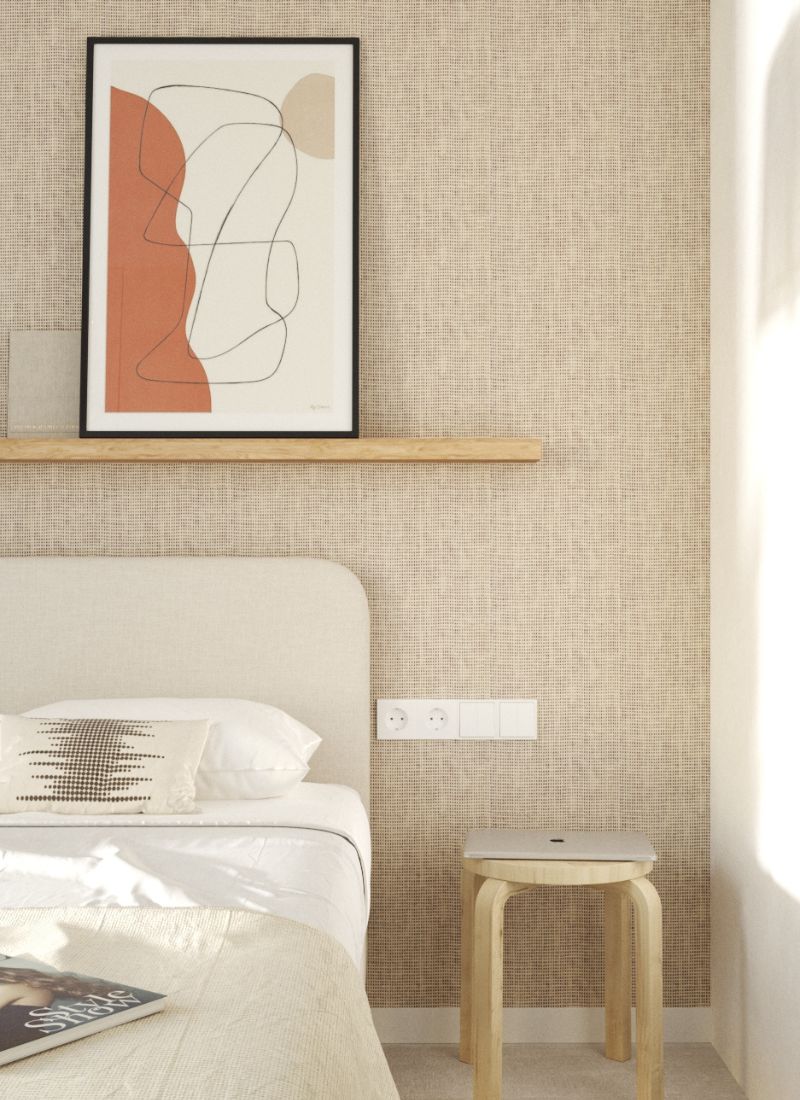
Final renders of the home are produced, allowing the client to accurately visualise the result before construction. This eliminates uncertainty, avoids changes during construction and ensures that what has been designed is exactly what will be built.

The process then moves forward to the detailed design stage, with all materials fully defined.

Production of the renderings

Estandarización de procesos

Automatización

Lean Manufacturing en fabricación

Integración temprana de todos los agentes del proyecto

Digitalización del proyecto (BMI)

Producción en fábrica

Logística avanzada

Lean Construction en montaje

Moodboard tonalidades blancas
Selección materiales render tonalidad blanca
Moodboard texturas
Selección materiales render texturas
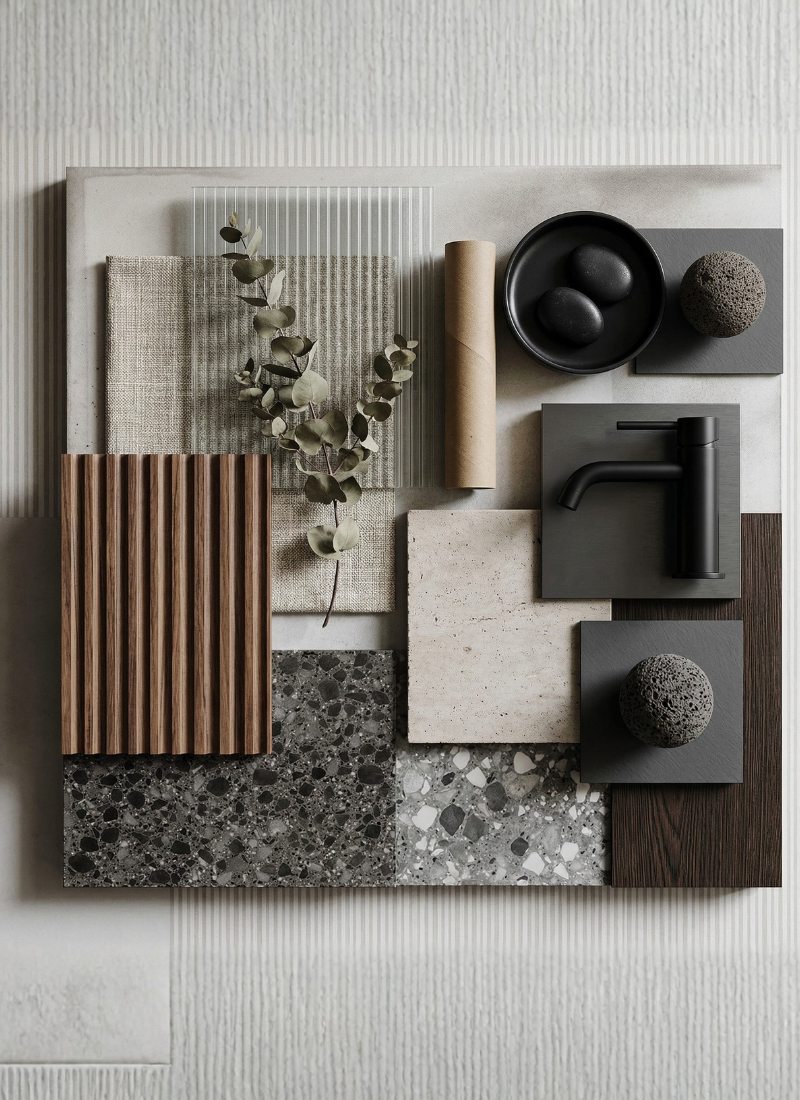
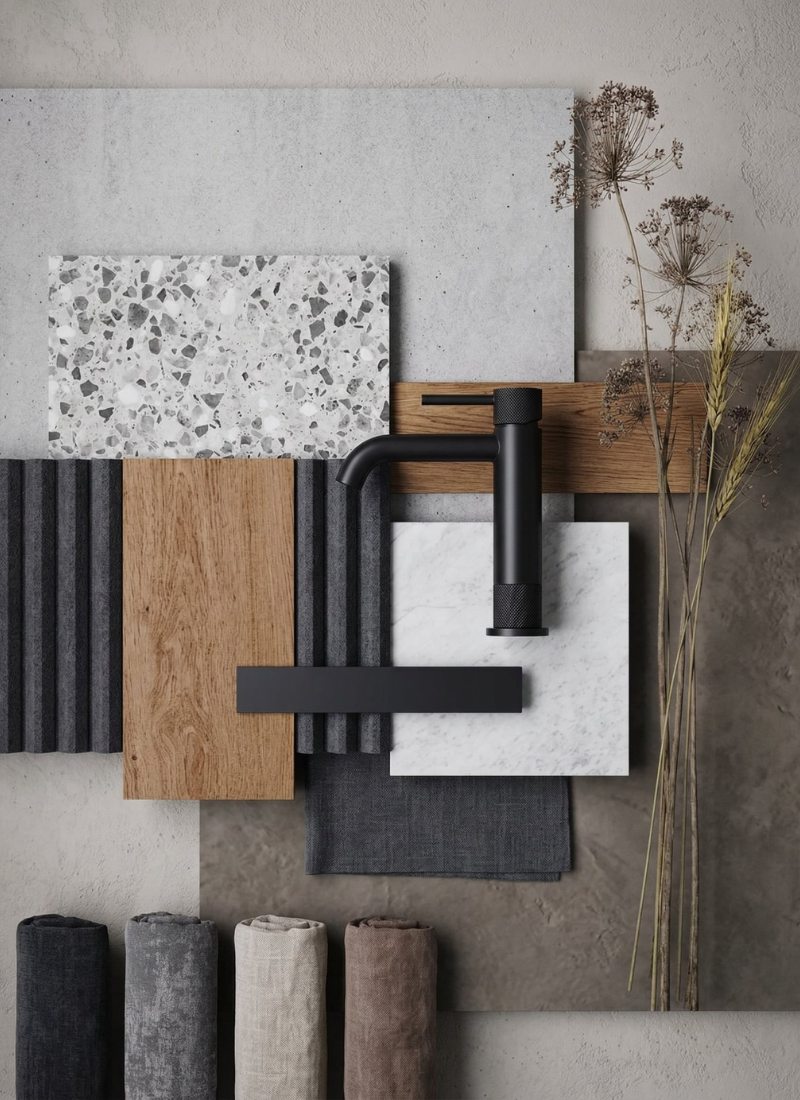
Moodboard tonalidades oscuras
Selección materiales render tonalidades oscuras
Moodboard texturas lisas
Selección materiales render texturas lisas
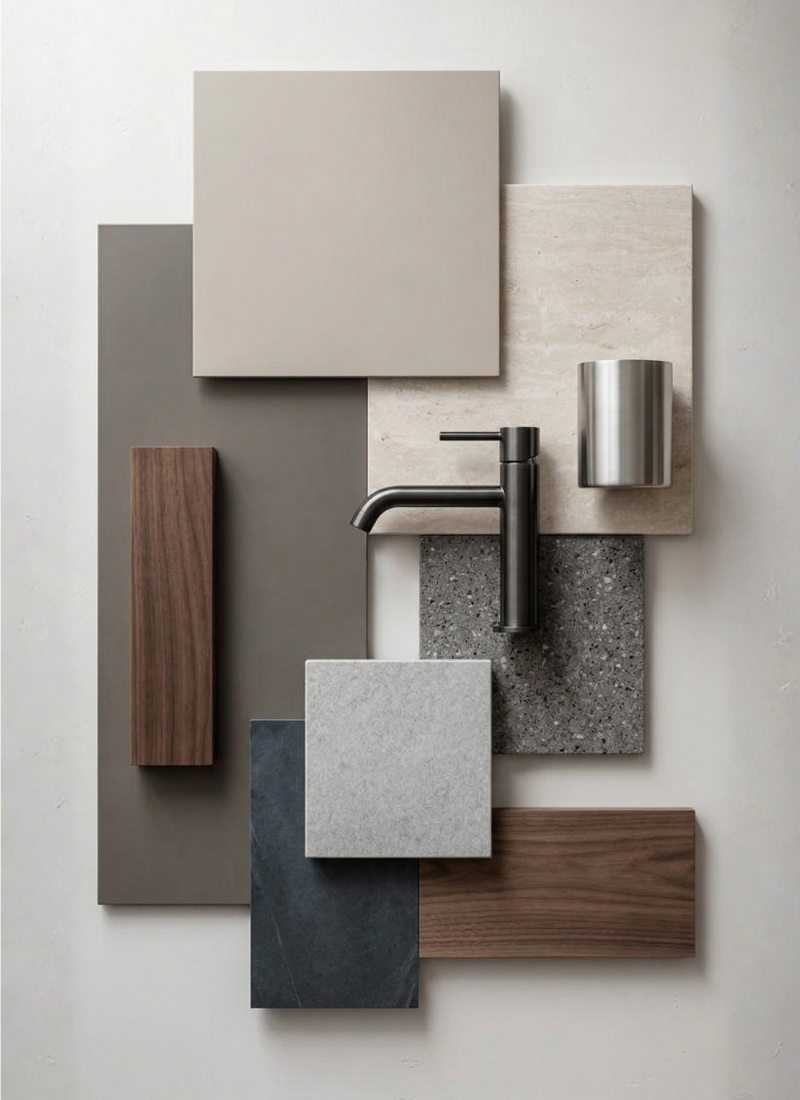
Moodboard tonalidades claras
Moodboard tonalidades madera