111 modelos, 20 nuevos

Selector idioma


Renovation of the Malvarrosa restaurants by Casas inHAUS

A new construction model for the hospitality sector: faster, more controlled and more efficient execution.

_The origins of the restaurants

What is now one of Valencia’s most recognisable gastronomic areas began as a succession of small spaces built directly on the sand, where cooking was based on what arrived fresh from the sea. Over time, these modest beach establishments evolved and consolidated into the restaurants that now define the city’s coastline.

The Malvarrosa promenade has become one of the city’s main tourist and gastronomic hubs. The regeneration of the seafront, the reorganisation of the promenade and Valencia’s growing international projection have transformed this area into a meeting point for both residents and visitors throughout the year.

In this context, the restaurants have played a key role, not only as hospitality venues, but also as part of the identity and experience of Valencia’s seafront.

Many of these businesses have been passed down through generations, remaining in the hands of the same families. In some cases, third and fourth generations continue to manage the restaurants, preserving their activity and identity over decades. These families have maintained their roots and heritage, even rejecting purchase offers over the years.

For this reason, the renovation of these restaurants represents a historic milestone.

_Restaurant
Projects

El Bobo – Delivered

La Murciana – Installed

La Alegría de la Huerta – Installed

Render renovación restaurante Malvarrosa

Coming soon

Render renovación restaurante Malvarrosa

Coming soon

Render renovación restaurante Malvarrosa

Coming soon

_Industrialised construction
applied to hospitality

Casas inHAUS has been responsible for executing the full project based on the architectural design developed by Jorge Quesada Estudio.

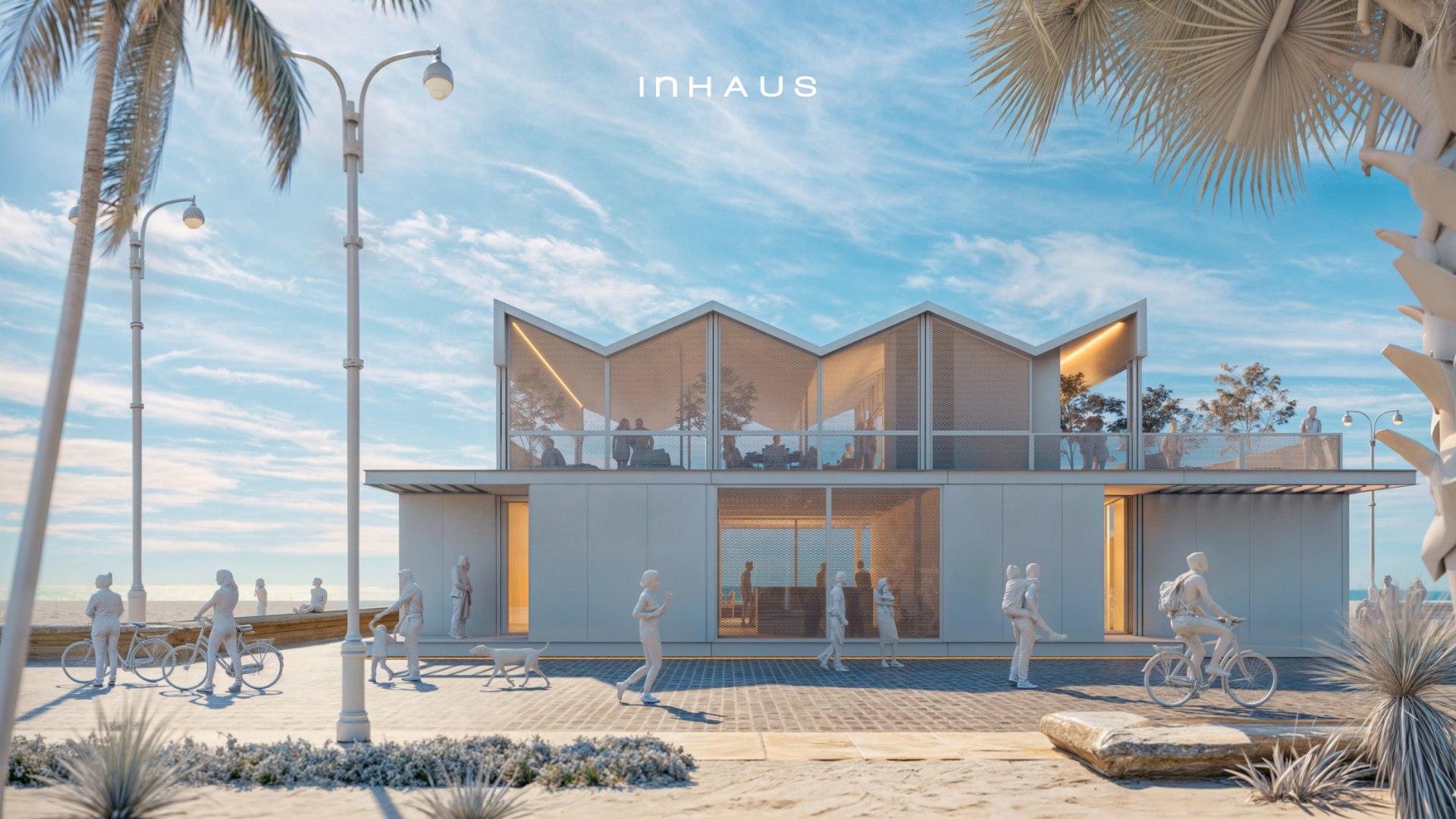
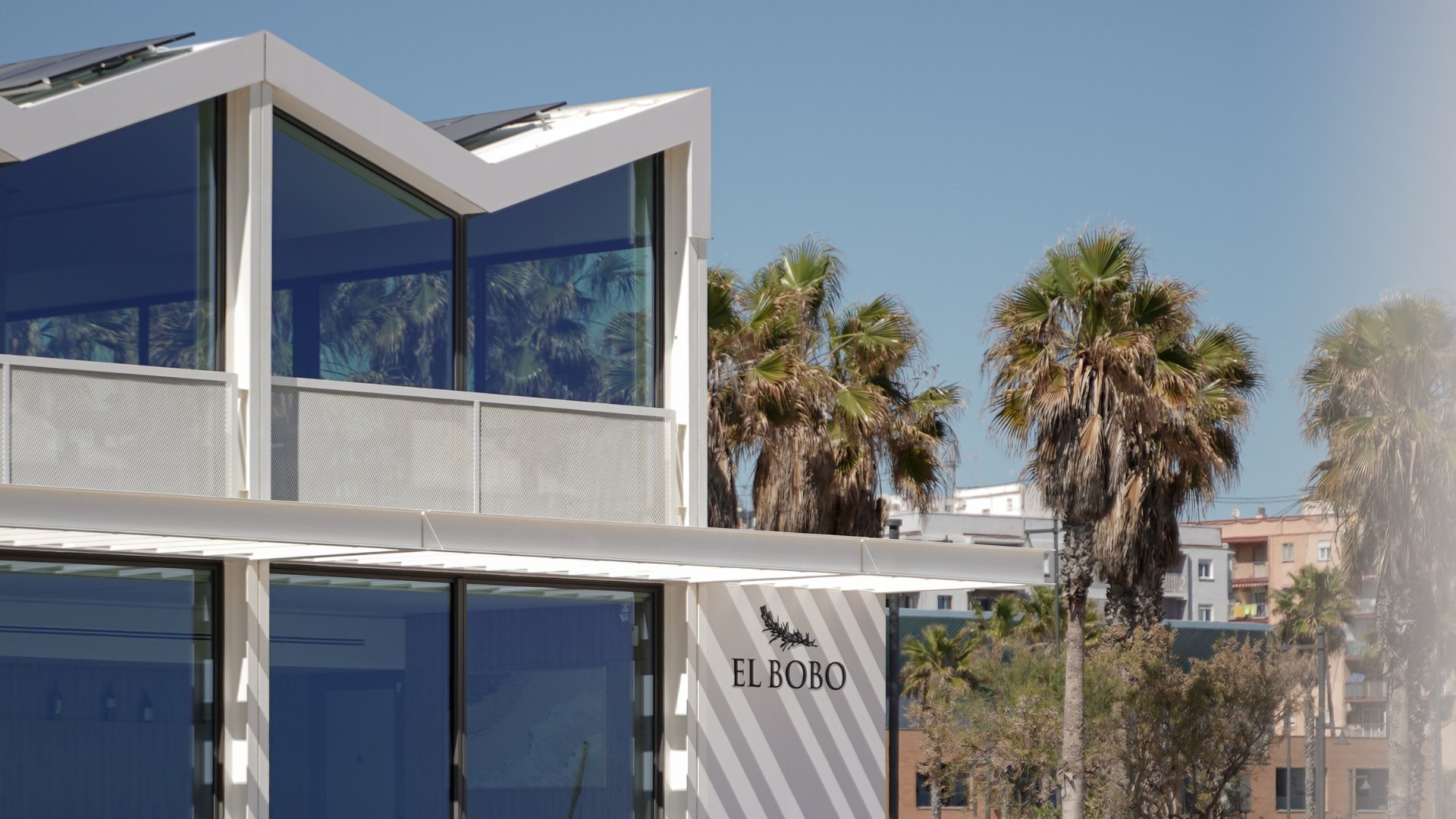
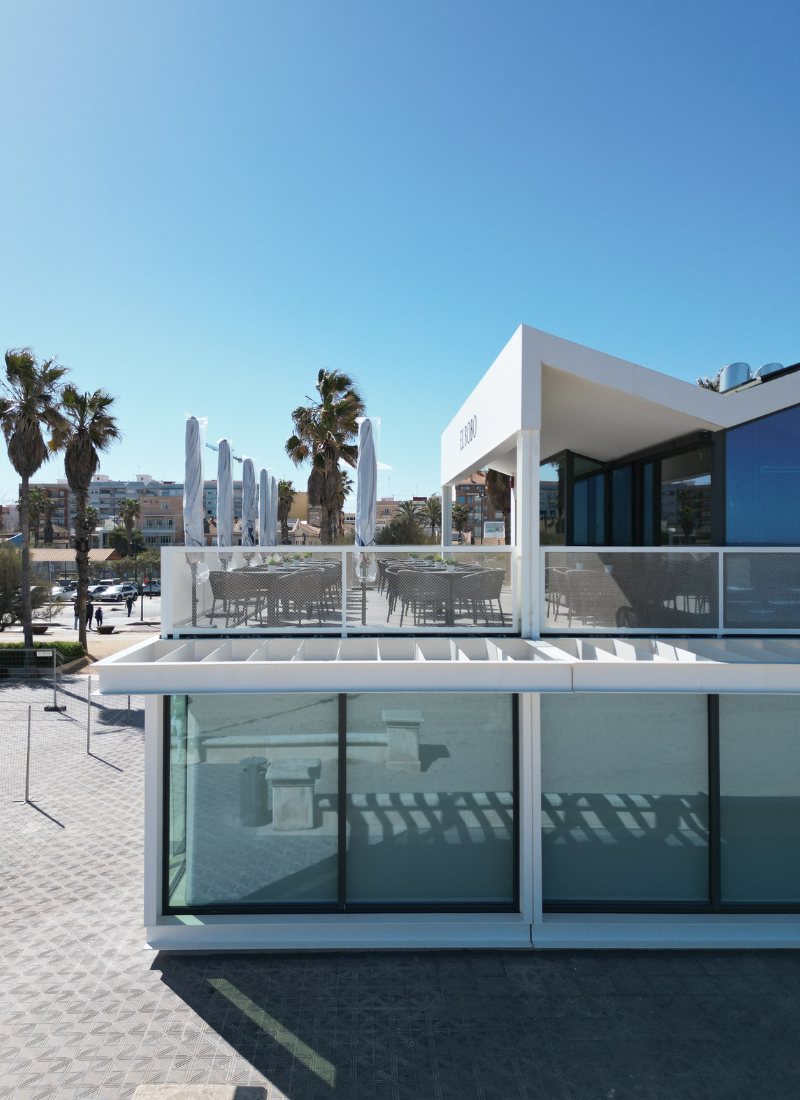
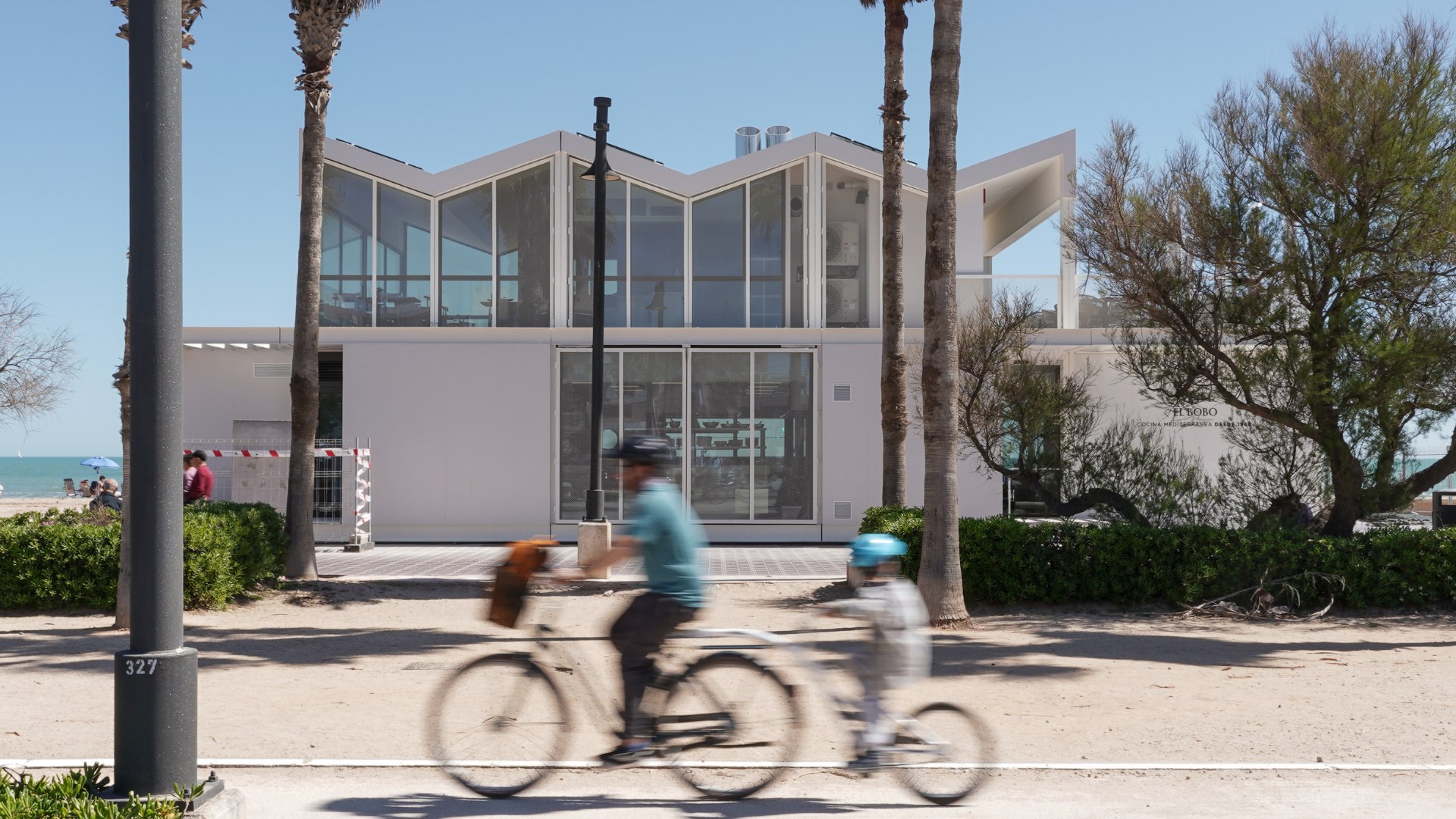
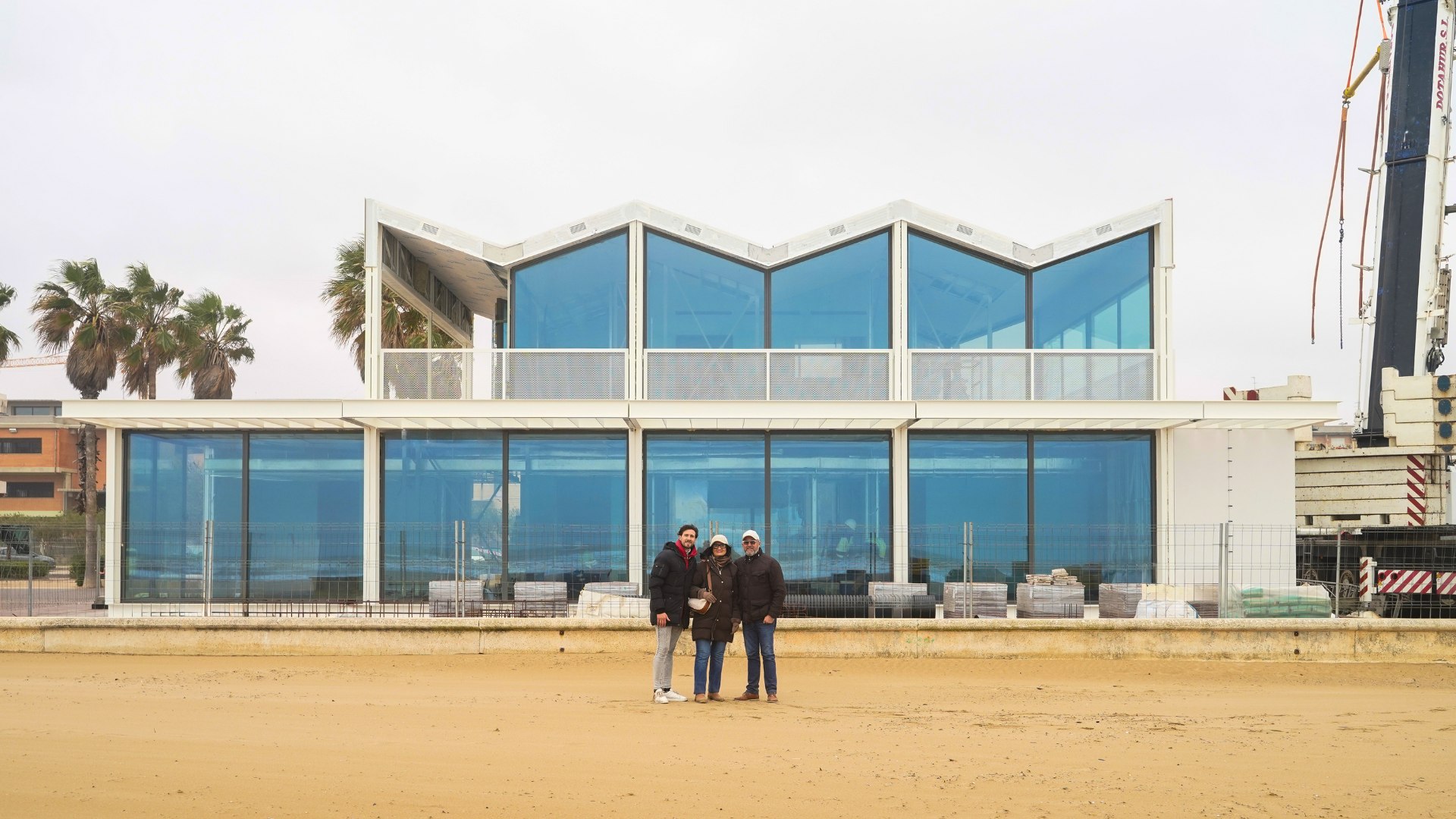
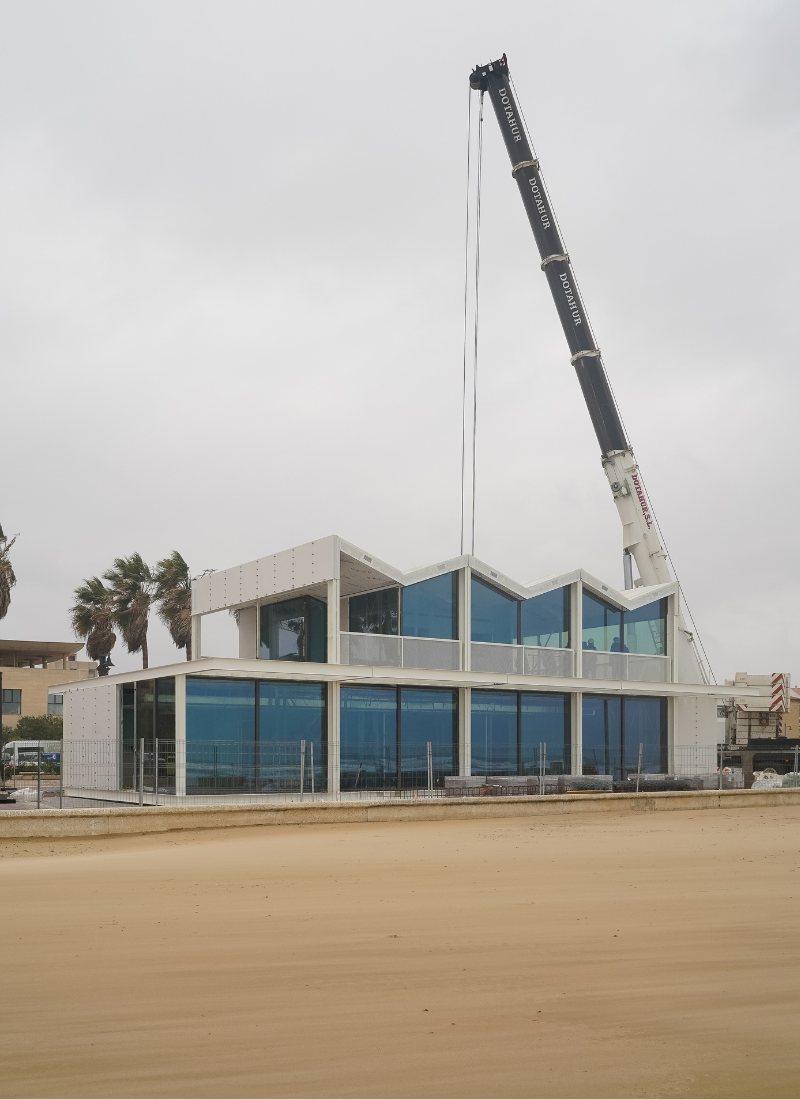
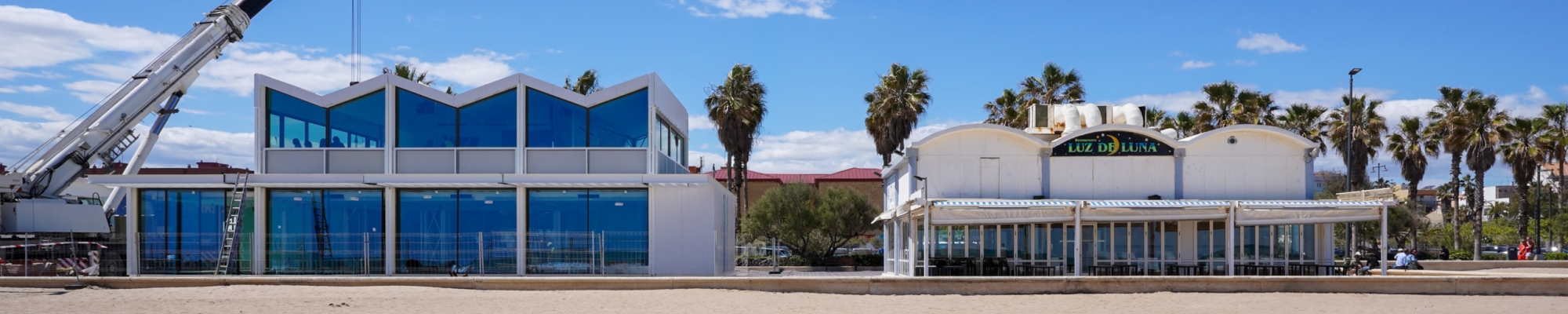
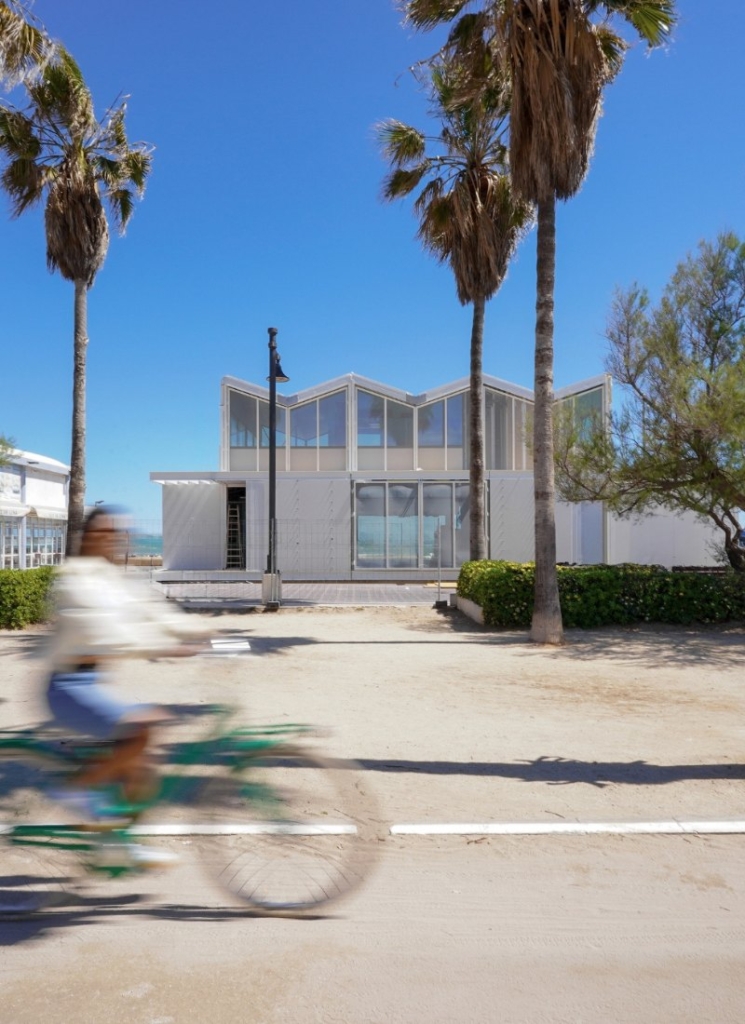
The architectural proposal is based on a lightweight, permeable building open towards the promenade, with a predominantly glazed envelope that strengthens the relationship between interior and exterior spaces while minimising visual impact on the seafront. This approach required close coordination between the architectural studio and the inHAUS technical team, particularly regarding materiality, installation and adaptation to the coastal environment.

This is the company’s first project within the hospitality sector. A challenge that required adapting the construction system to the specific demands of this type of building, including professional kitchens, complex installations, large open-plan spaces and intensive daily use.

The decision to use an industrialised construction system responds to a clear objective: reducing construction times, minimising the impact of the works and allowing the restaurants to remain operational for as long as possible.

As a result, this project demonstrates the versatility of the industrialised model, capable of relocating most of the construction process to the factory and delivering complete buildings within significantly reduced timelines, even in complex environments such as the seafront.

Structure and design

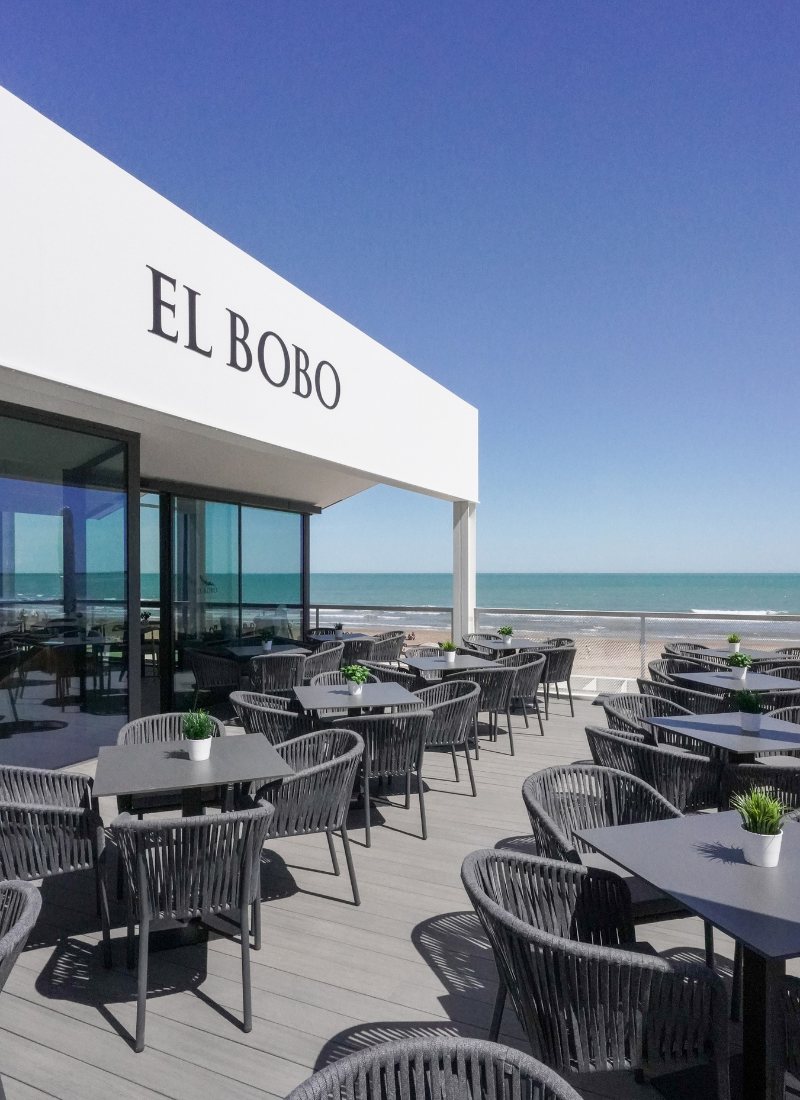
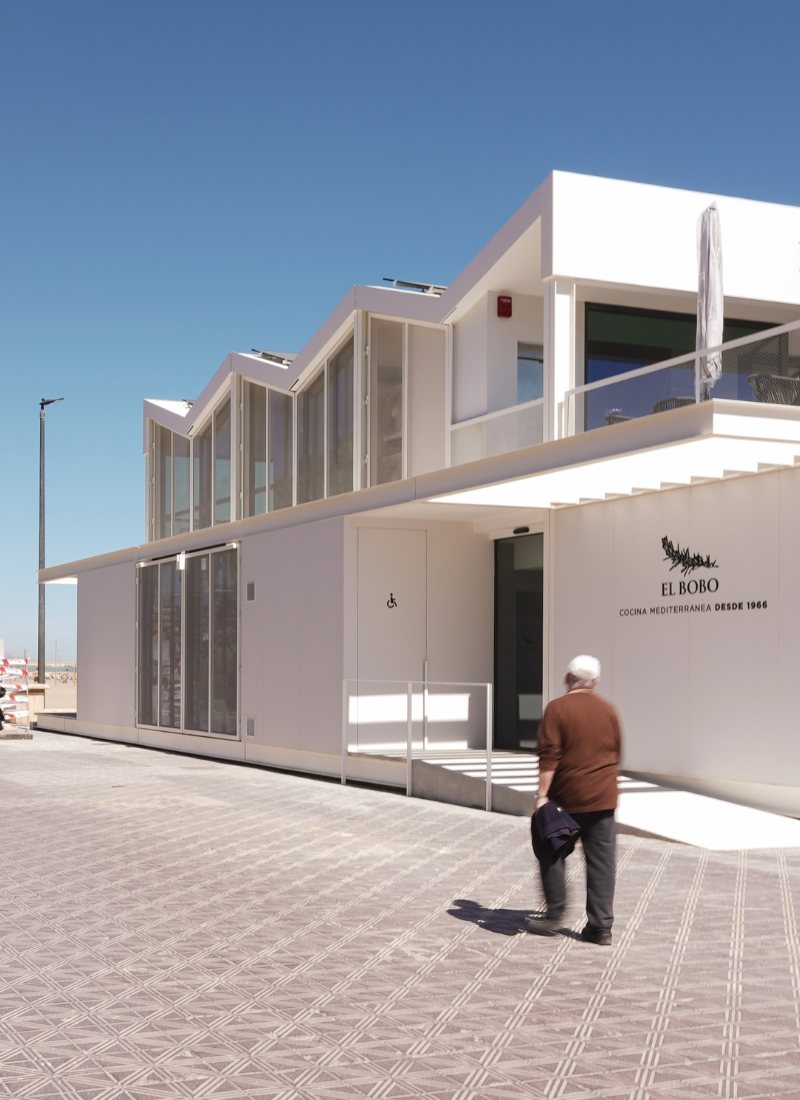
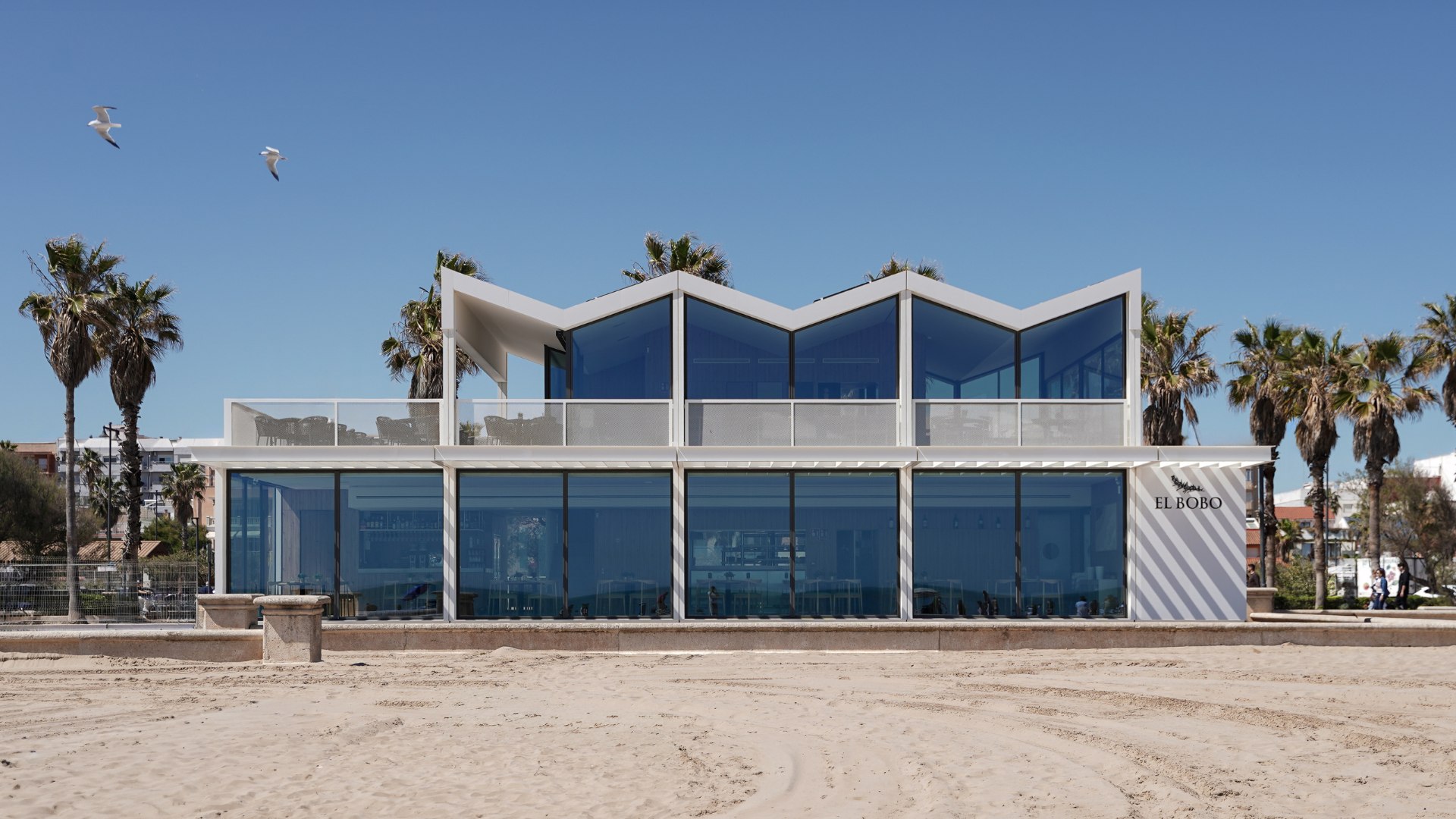
The new restaurants are organised over two levels. The built area reaches 229.30 m², complemented by a 144 m² covered and glazed upper terrace, along with an additional 85 m² open terrace.

From both a constructional and functional perspective, several key aspects stand out:

  • Lightweight buildings with predominant use of aluminium and glass
  • Buildings elevated 50 cm above ground level to prevent flooding and adapt to potential sea level rise
  • Large glazed surfaces (at least 40% of the façade), maintaining sea views while reducing the visual impact of the buildings
  • Pitched roofs designed to integrate photovoltaic systems

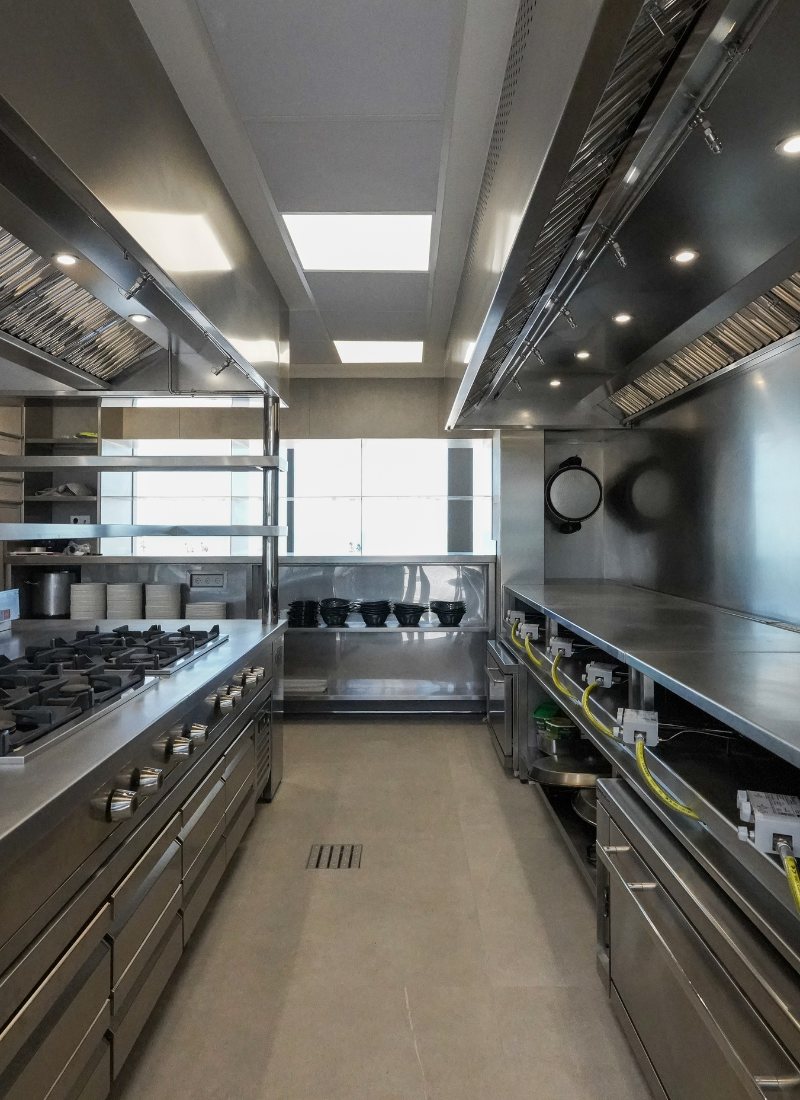
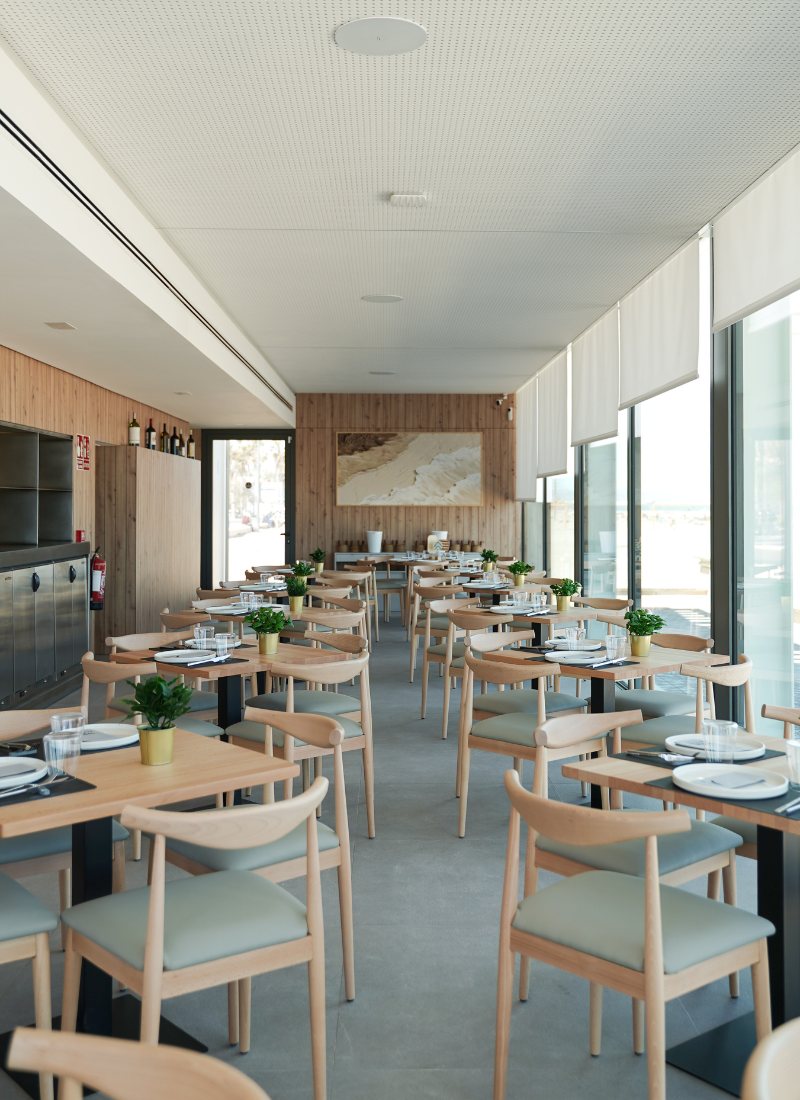
The design of the industrial kitchens and interior architecture is developed according to the specific needs of each operator, adapting to the identity and concept of every restaurant.

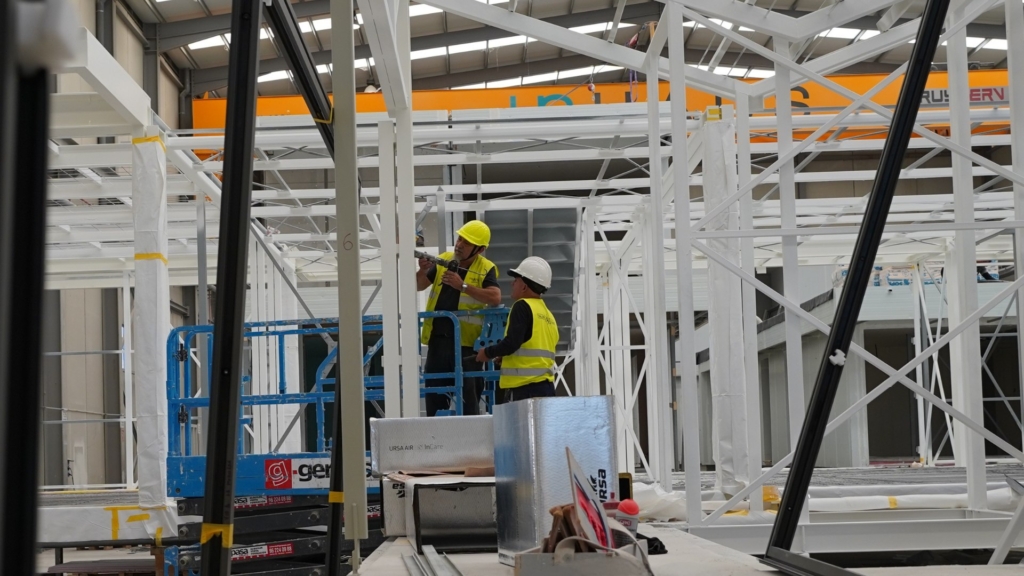
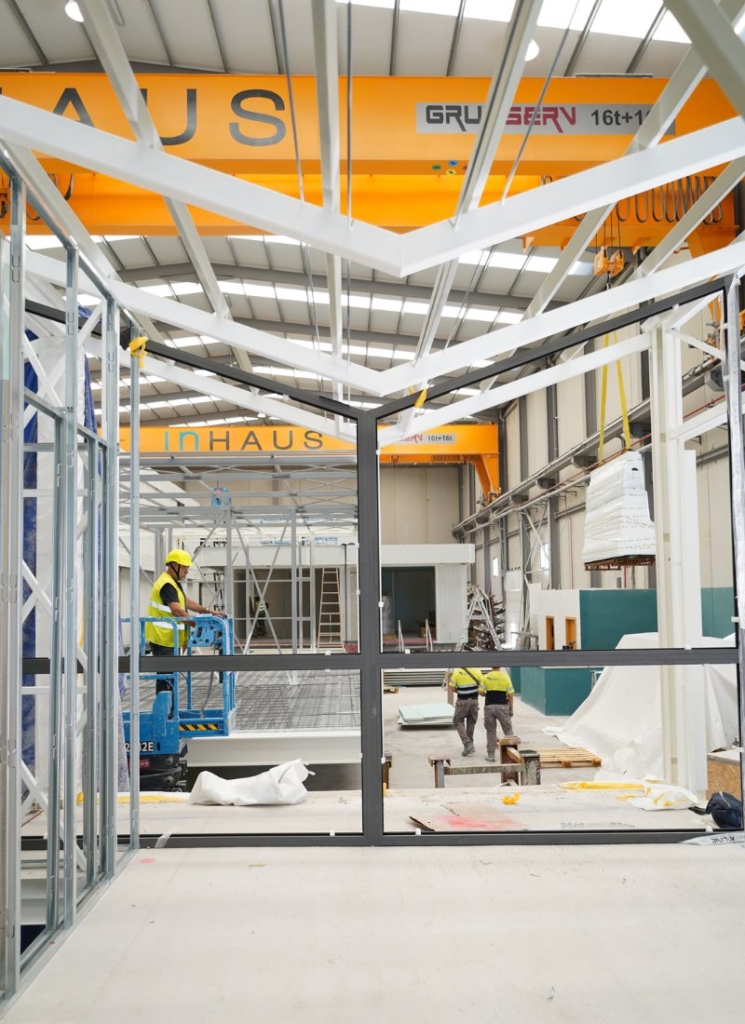
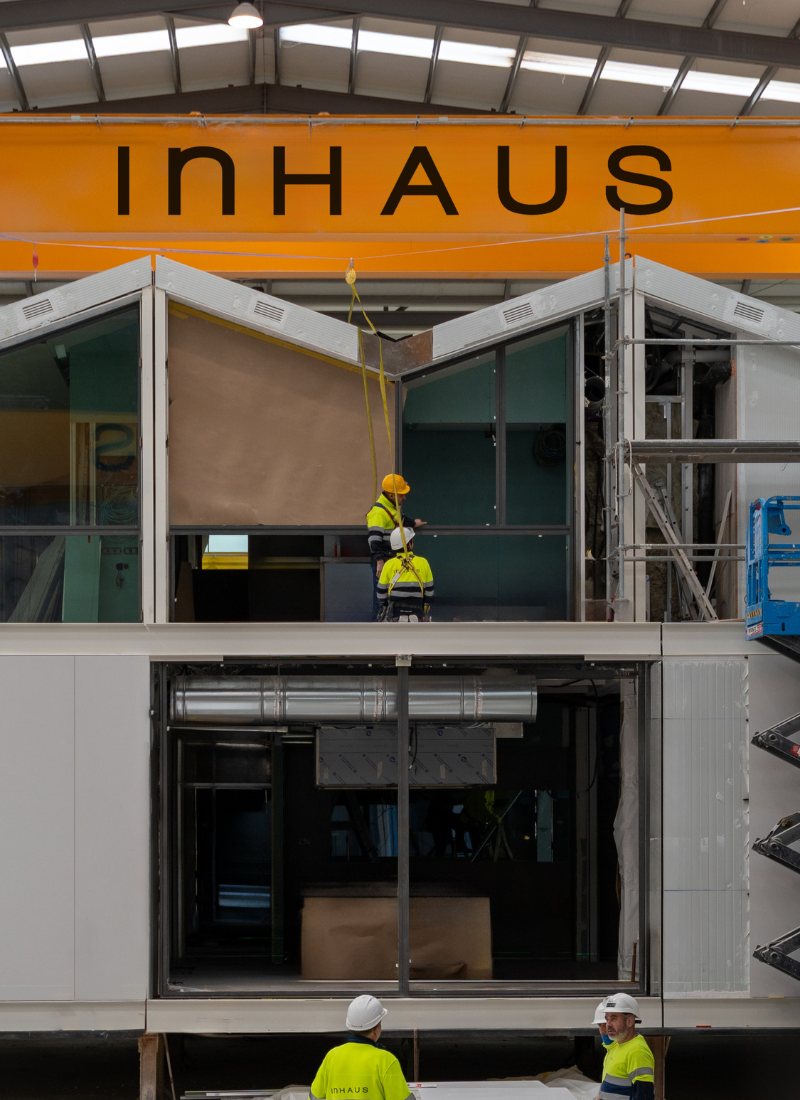
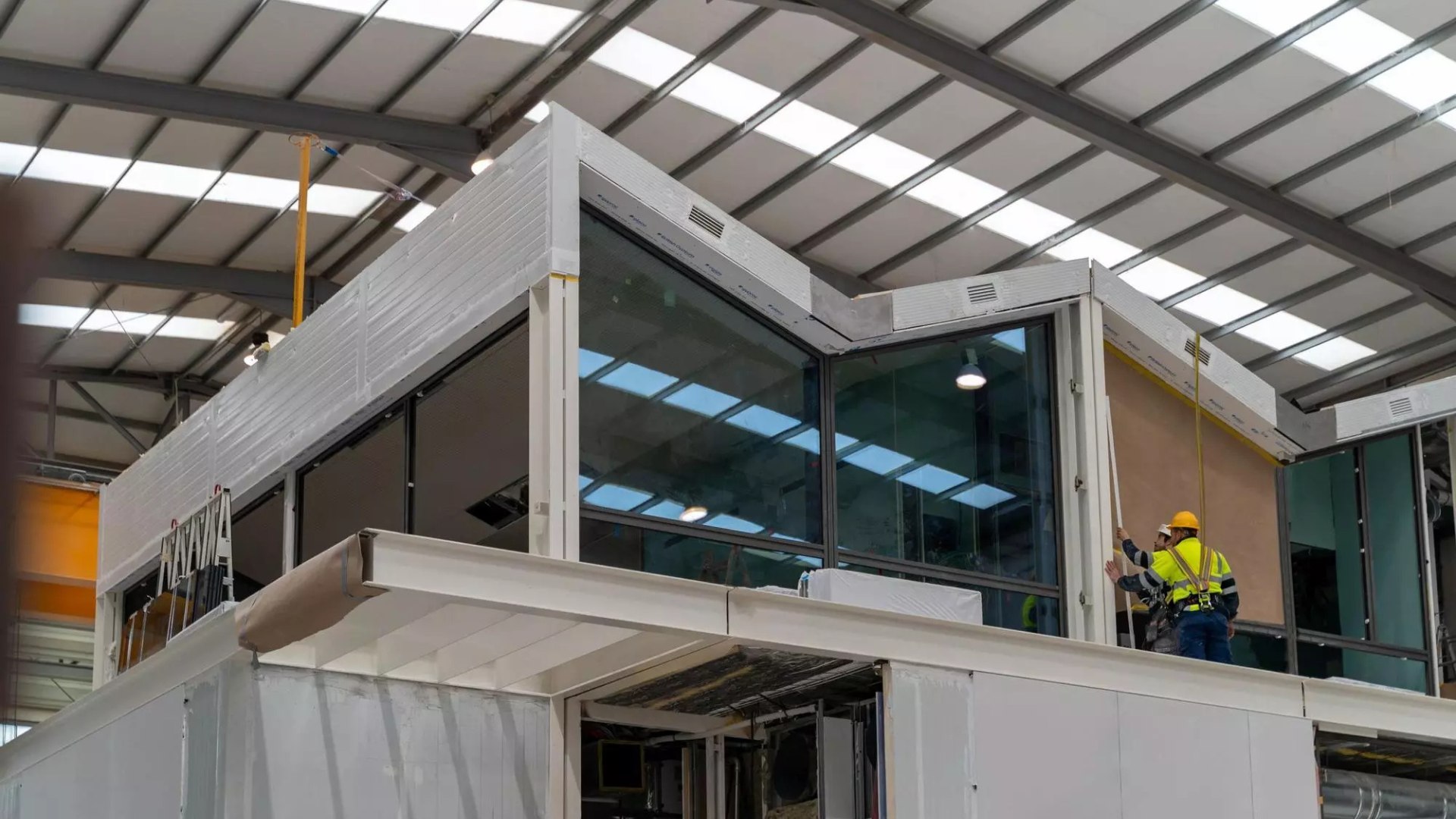
From an industrialisation perspective, each restaurant is composed of eight volumetric modules — five on the ground floor and three on the upper floor — fully manufactured within the factory.

Renovación restaurantes Malvarrosa trabajo en fábrica
Proceso constructivo restaurantes Malvarrosa

Construction process and timelines

The choice of industrialised construction responds primarily to an operational need: minimising the closure period of the restaurants as much as possible.

Unlike traditional construction, where the full process could extend over several years, the industrialised system allows the new premises to be manufactured in parallel with the existing activity. For approximately five months, the modules are produced in the factory while the restaurants remain operational.

A few weeks before installation, the demolition of the existing building, earthworks and foundations are carried out. The site is then prepared for the installation process.

This approach makes it possible to maintain activity almost until the very last moment, something especially relevant in a high-demand tourist environment such as the Malvarrosa seafront.
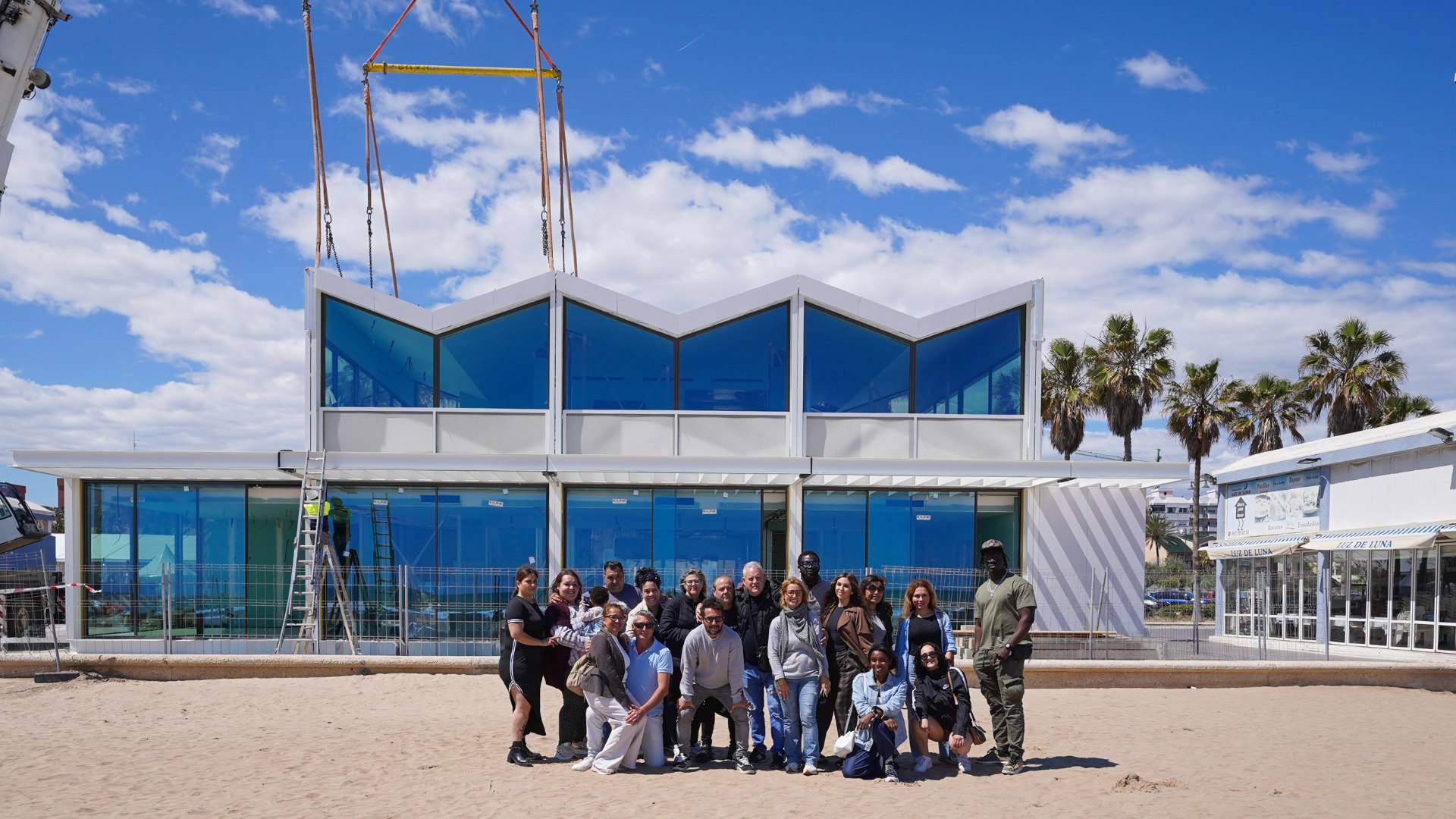
Estructura y diseño restaurantes malvarosa
Renovación restaurantes en fábrica

On-site assembly

The installation phase is one of the key moments within the construction process.

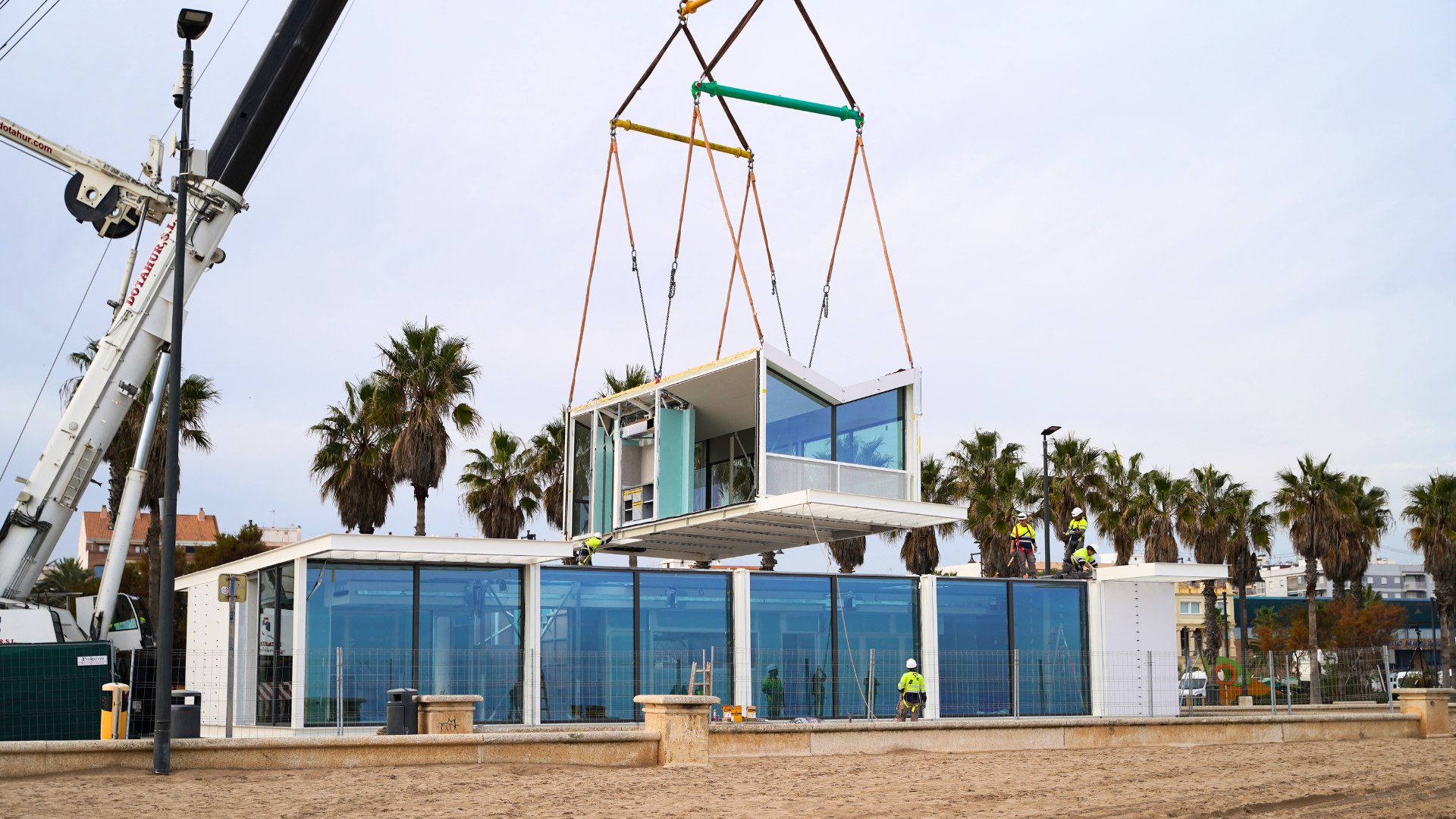
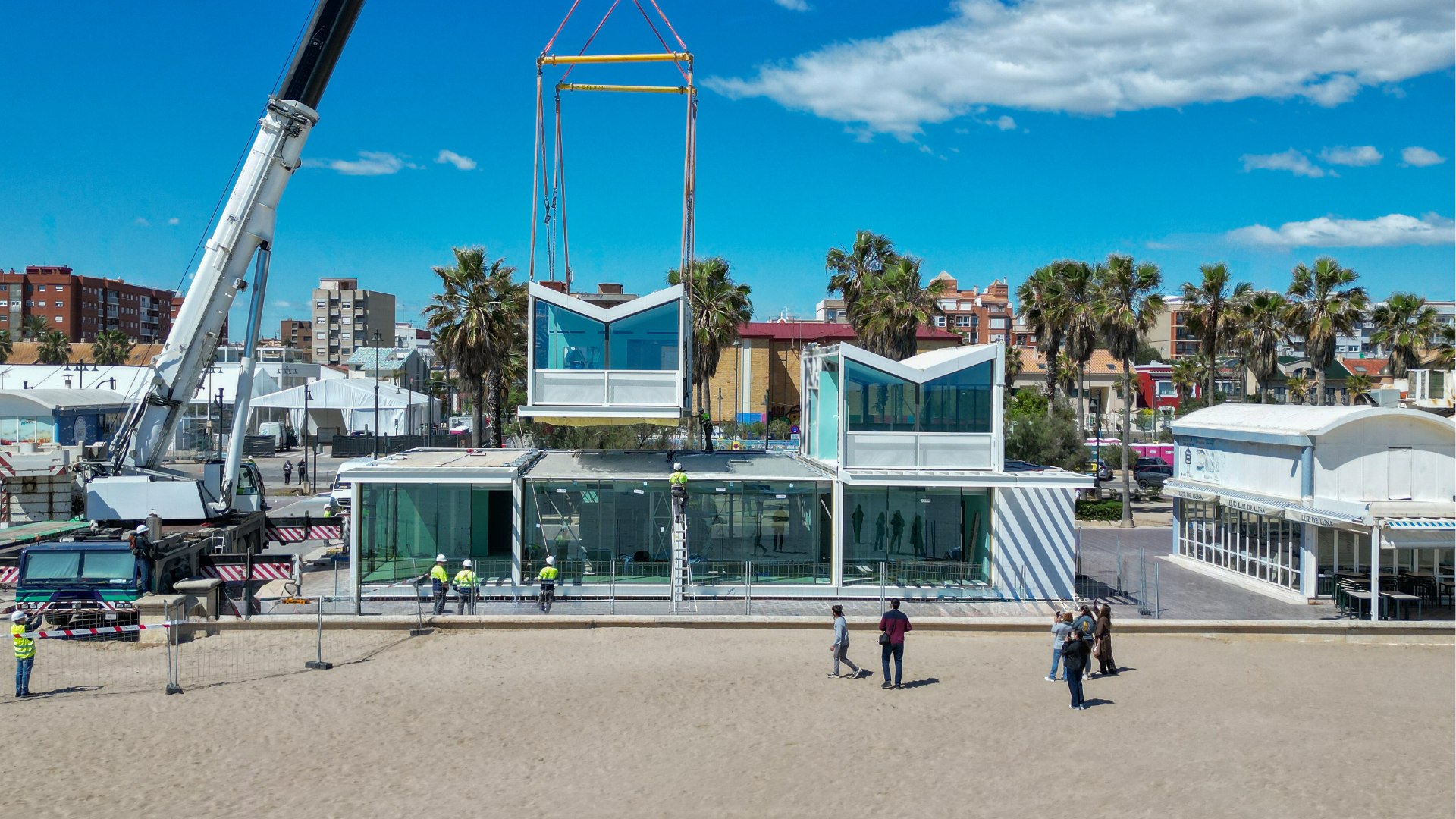
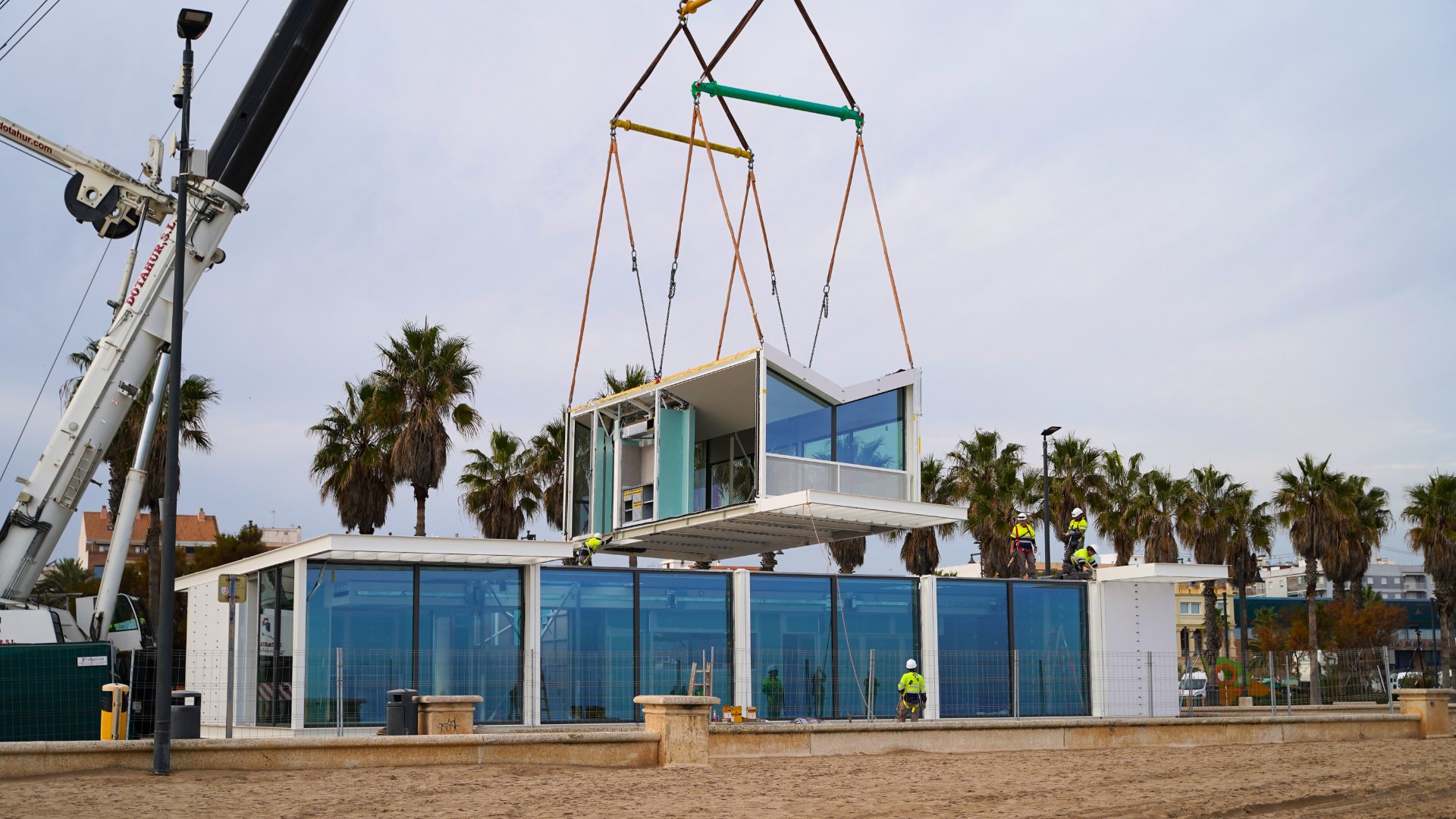
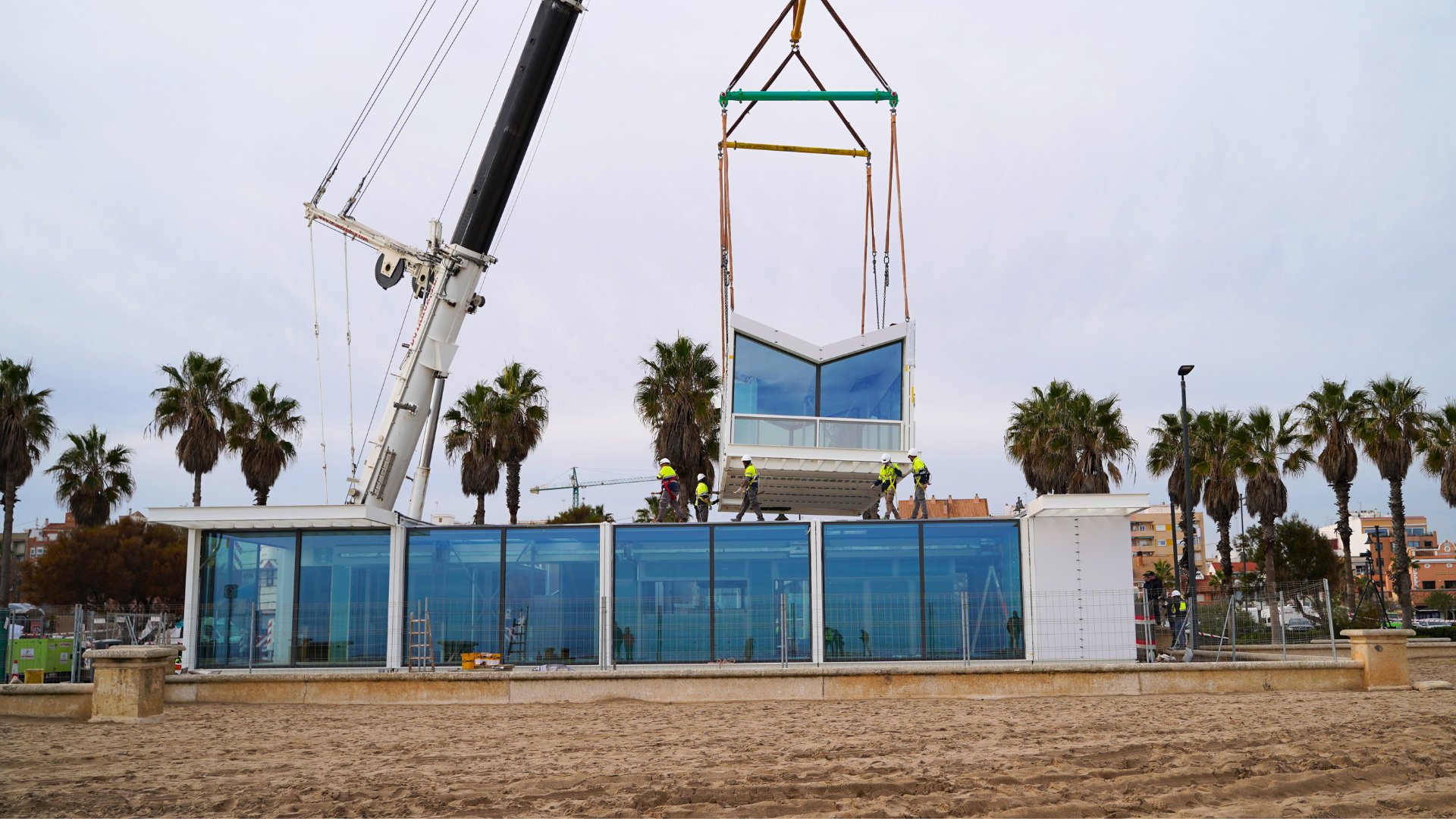
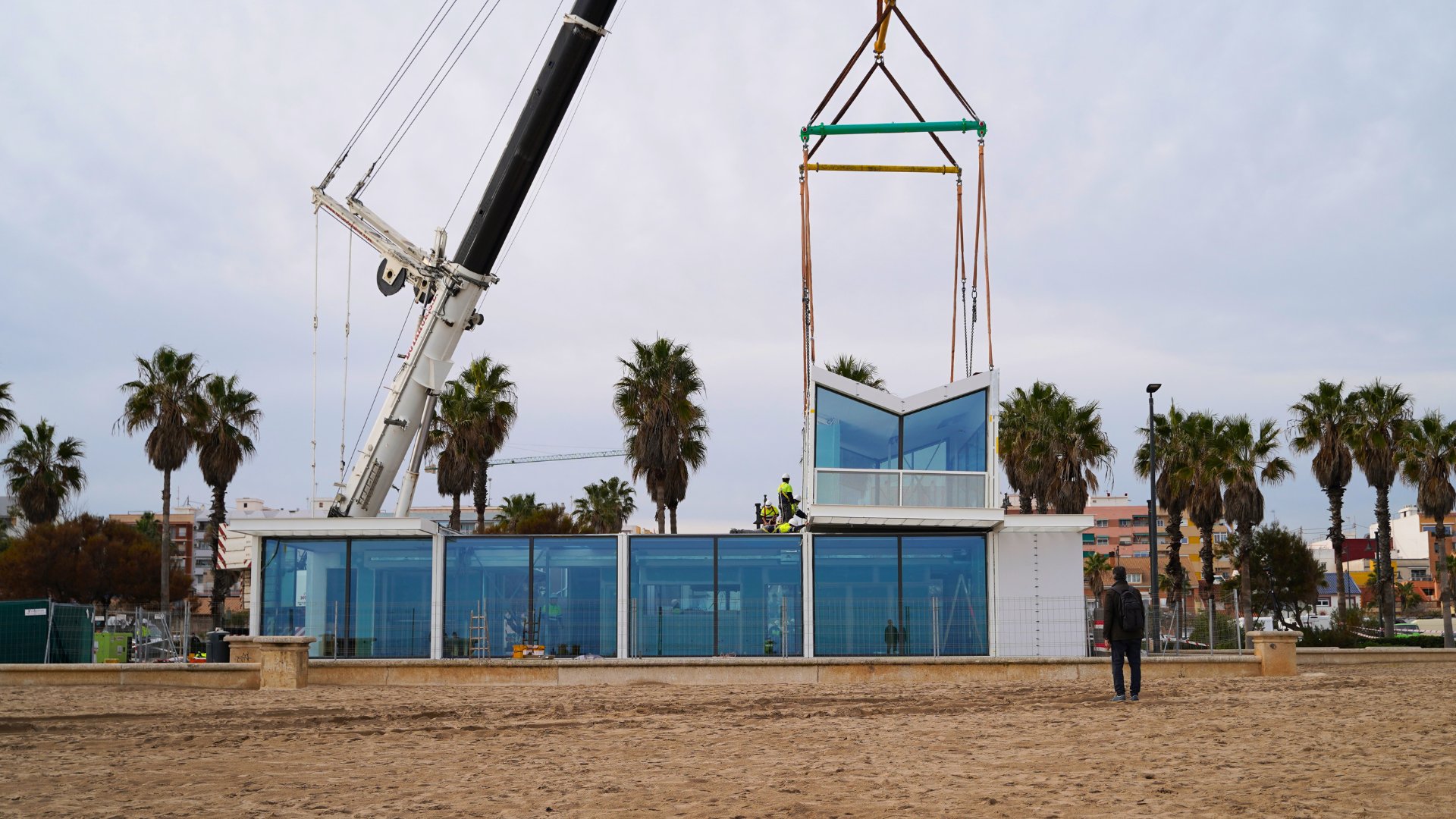
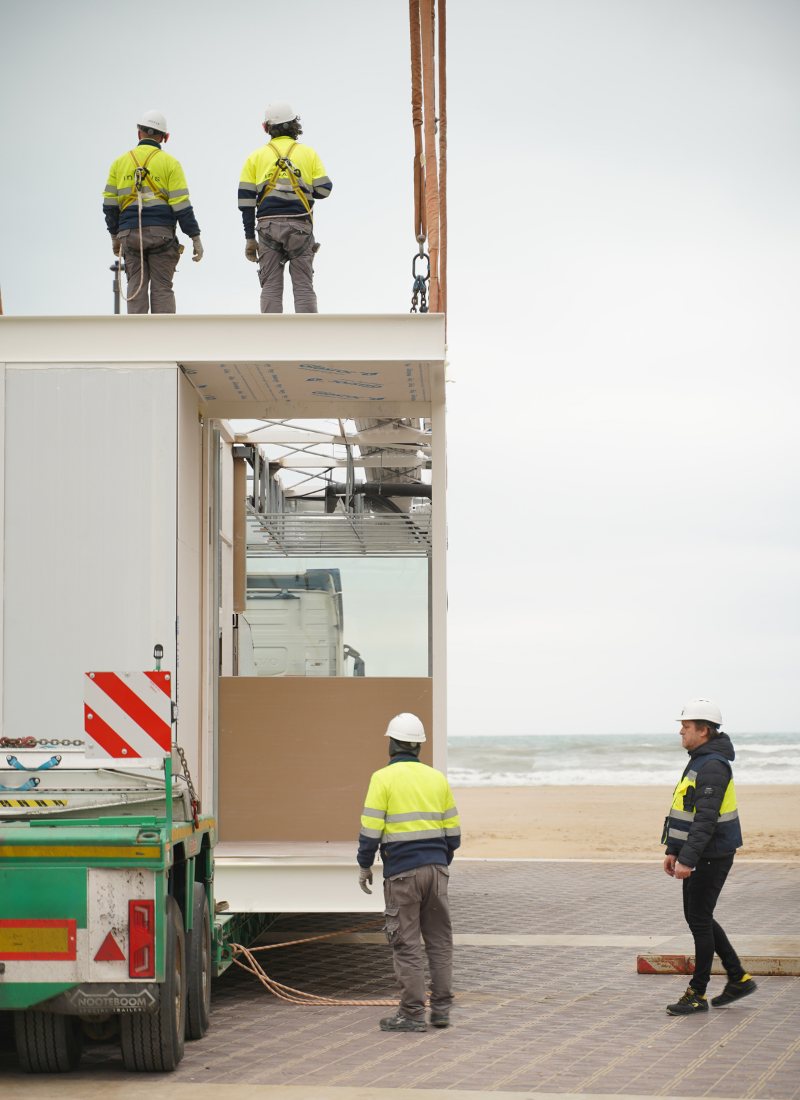
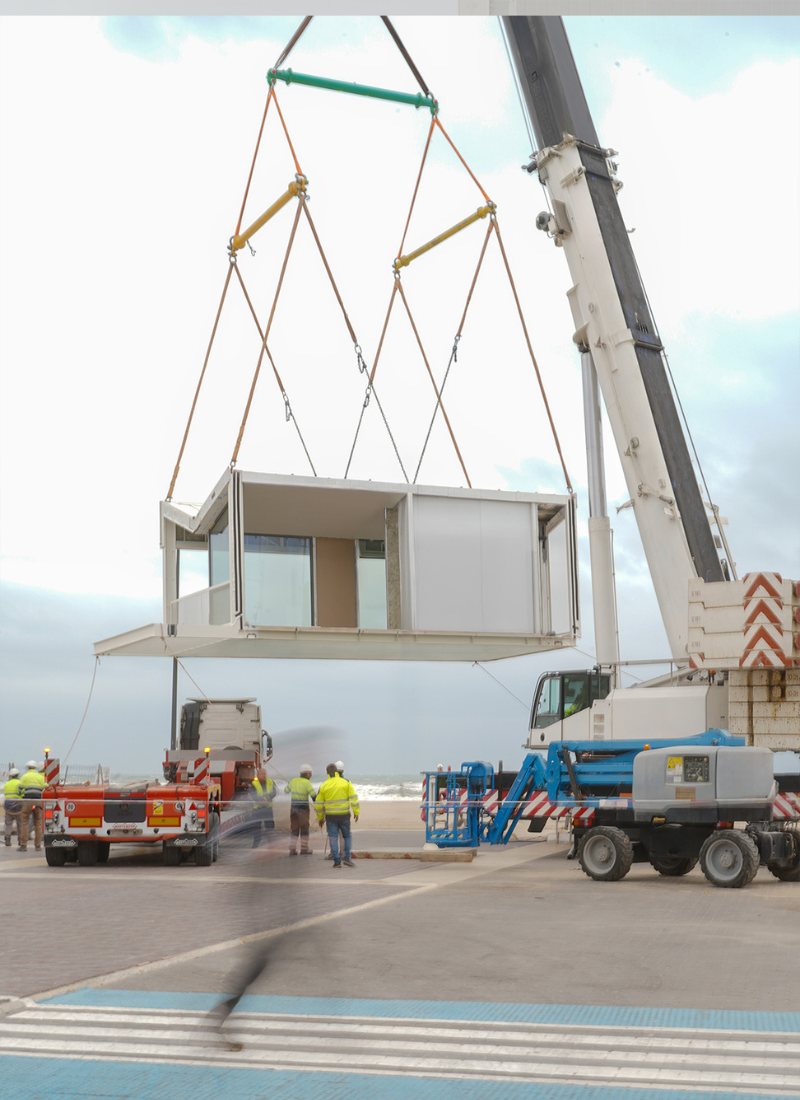
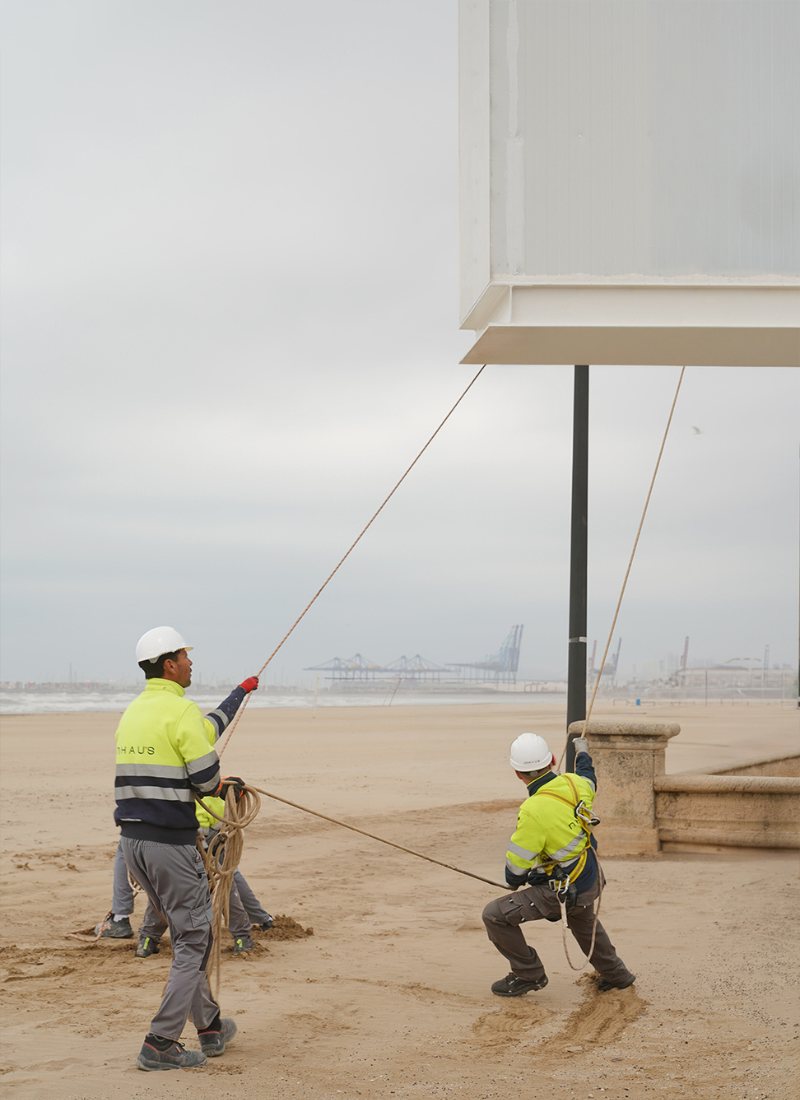
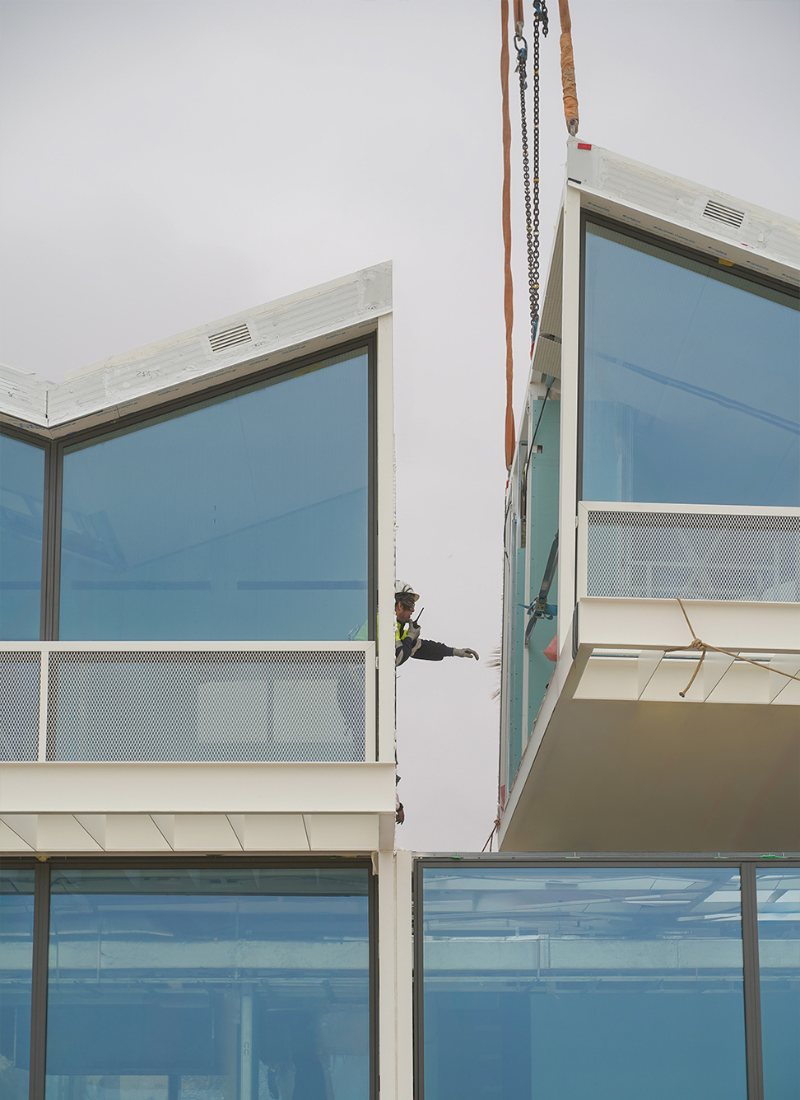
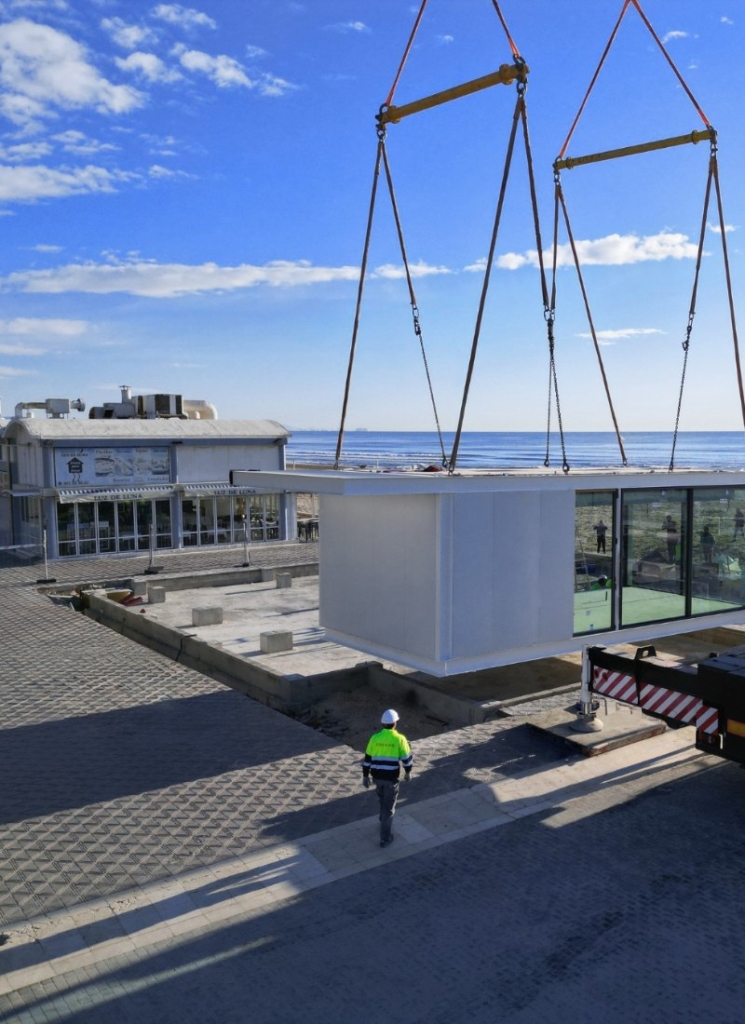
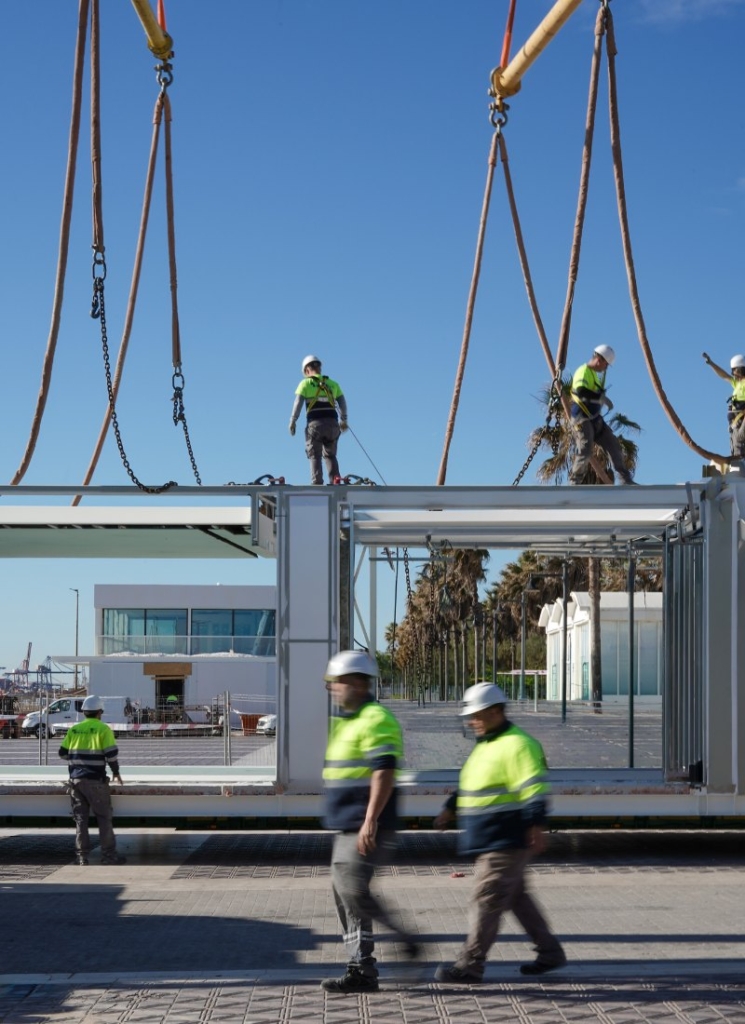
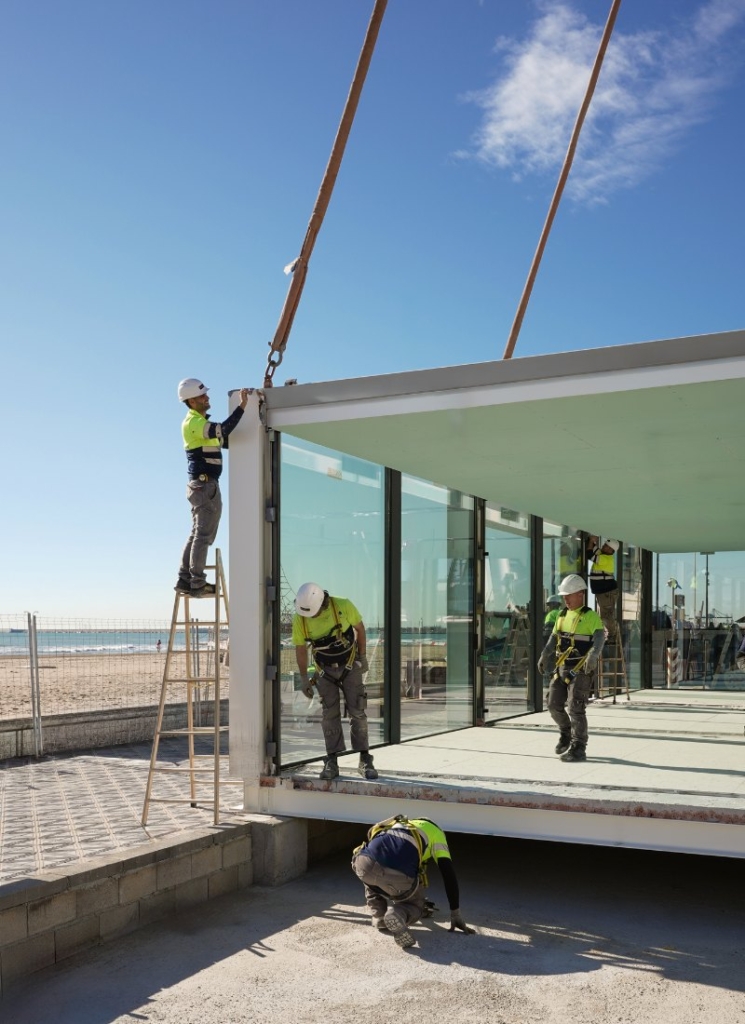
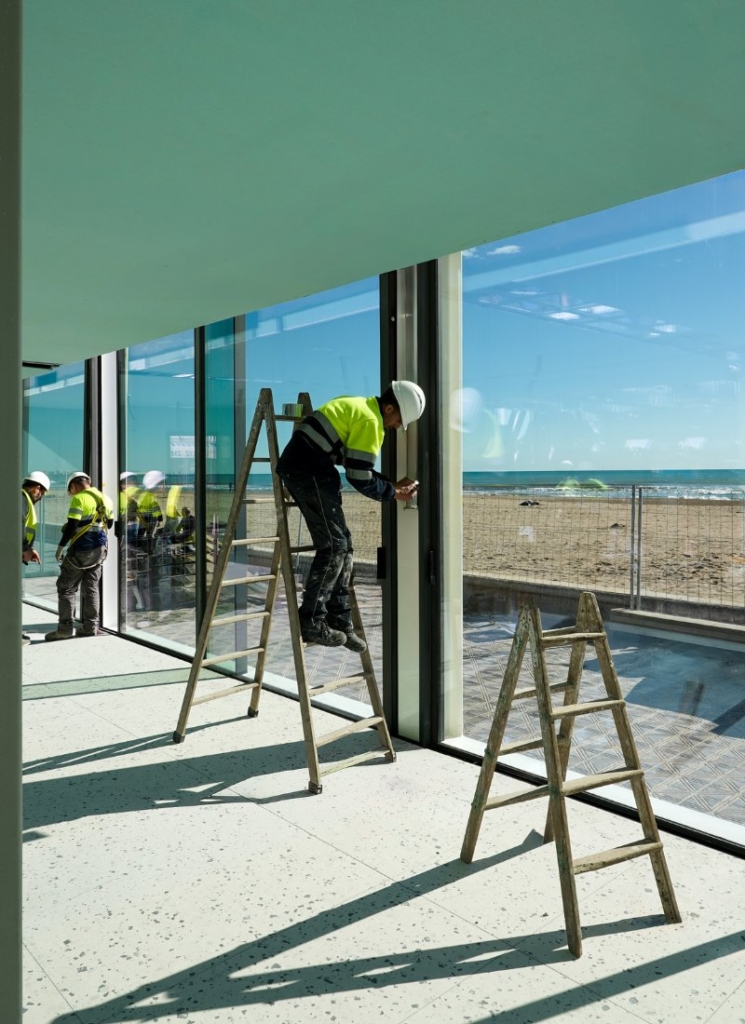
In a single day, the previously manufactured modules are transported and placed onto the foundations, configuring the complete building volume within a matter of hours. From that point onwards, the final connection works, adjustments and technical finishes are carried out.

Thanks to this system, the total restaurant closure period during the transition is reduced to approximately three to four months, compared to the significantly longer timelines of traditional construction.

From an urban perspective, the difference is particularly significant. The modules are transported and installed in a single day, instead of months of traditional on-site construction, considerably reducing noise, traffic disruption and impact on residents, pedestrians and tourists in such a highly active environment as the seafront promenade.

Implantación restaurante El Bobo inHAUS
Implantación El Bobo
Implantación restaurante El Bobo

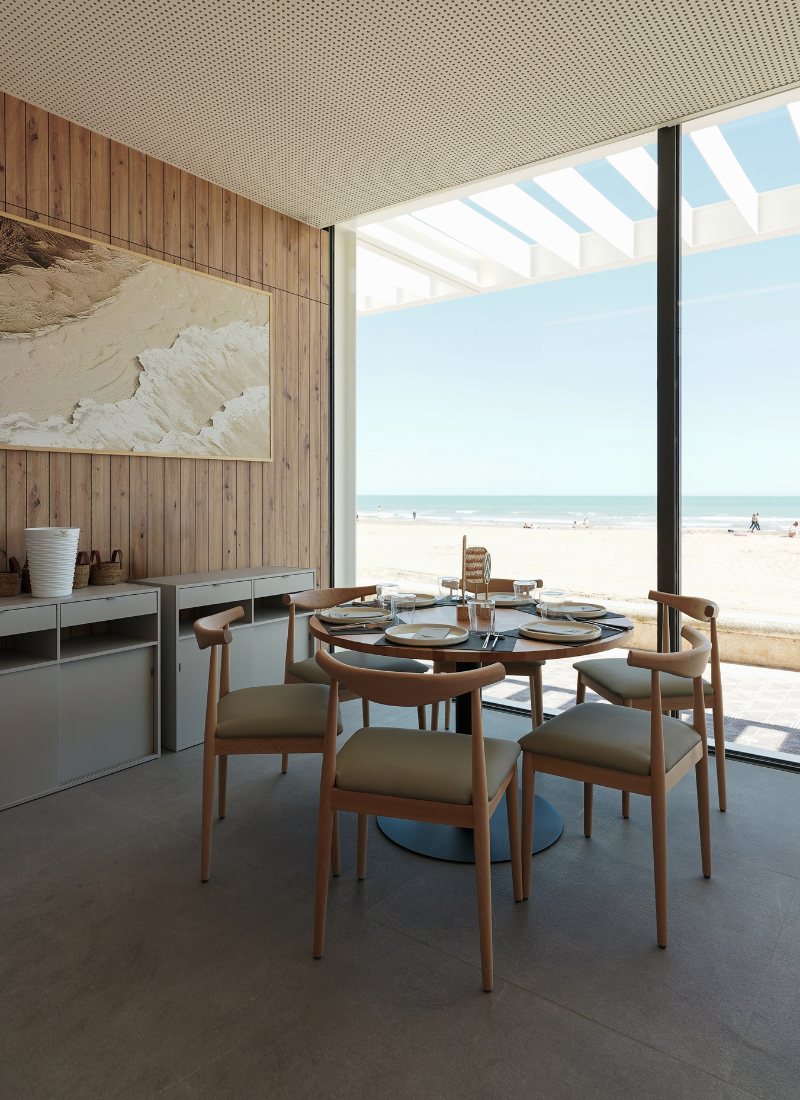
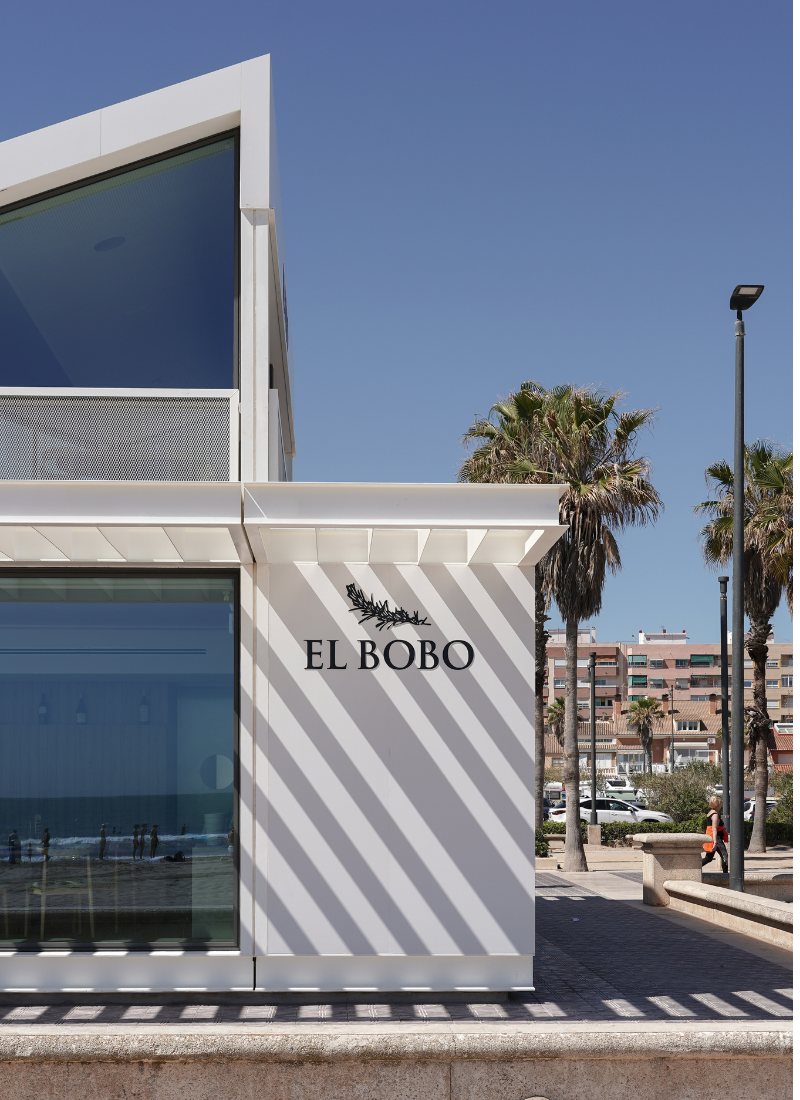
The restaurant El Bobo marks the beginning of the renovation of the Malvarrosa seafront promenade. It represents a milestone within the overall redevelopment plan, becoming the first restaurant executed through 3D industrialised construction.

The project has been developed through the coordinated work of several collaborators. Jorge Quesada was responsible for the architectural design and interior design project of El Bobo. Casas inHAUS acted as the construction company responsible for the volumetric modules and their installation. Martino Gareti developed the industrial kitchen design, layout and equipment.

This system made it possible to complete the new restaurant in approximately six months, significantly reducing timelines compared to traditional construction.

The history of El Bobo

Beyond the architectural project, El Bobo represents history, roots and continuity.

Its origins date back more than 60 years, when the parents of the current owner built a small beach bar directly on the sand, operating only during the summer months. Over time, that modest space evolved into one of the most recognisable restaurants on the promenade.

Today, several generations later, the business remains in the hands of the same family, preserving the essence with which it first began — a way of understanding hospitality closely tied to effort, perseverance and a strong connection to the Malvarrosa seafront.
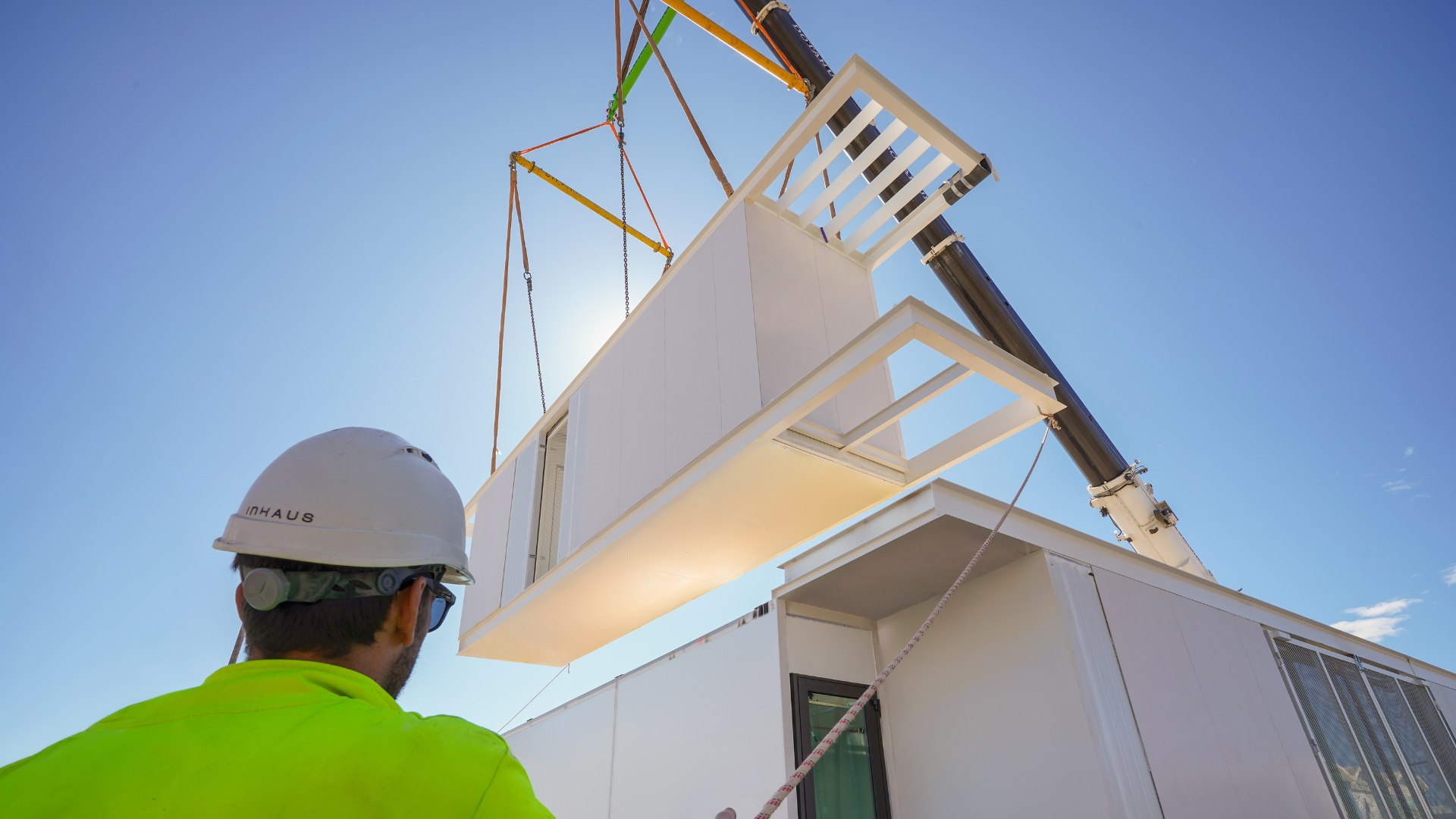
Renovación restaurante El Bobo
Vista exterior restaurante El Bobo
Fachada restaurante El Bobo
Mesa El Bobo vistas playa
Terraza restaurante El Bobo
Vista exterior terraza El Bobo
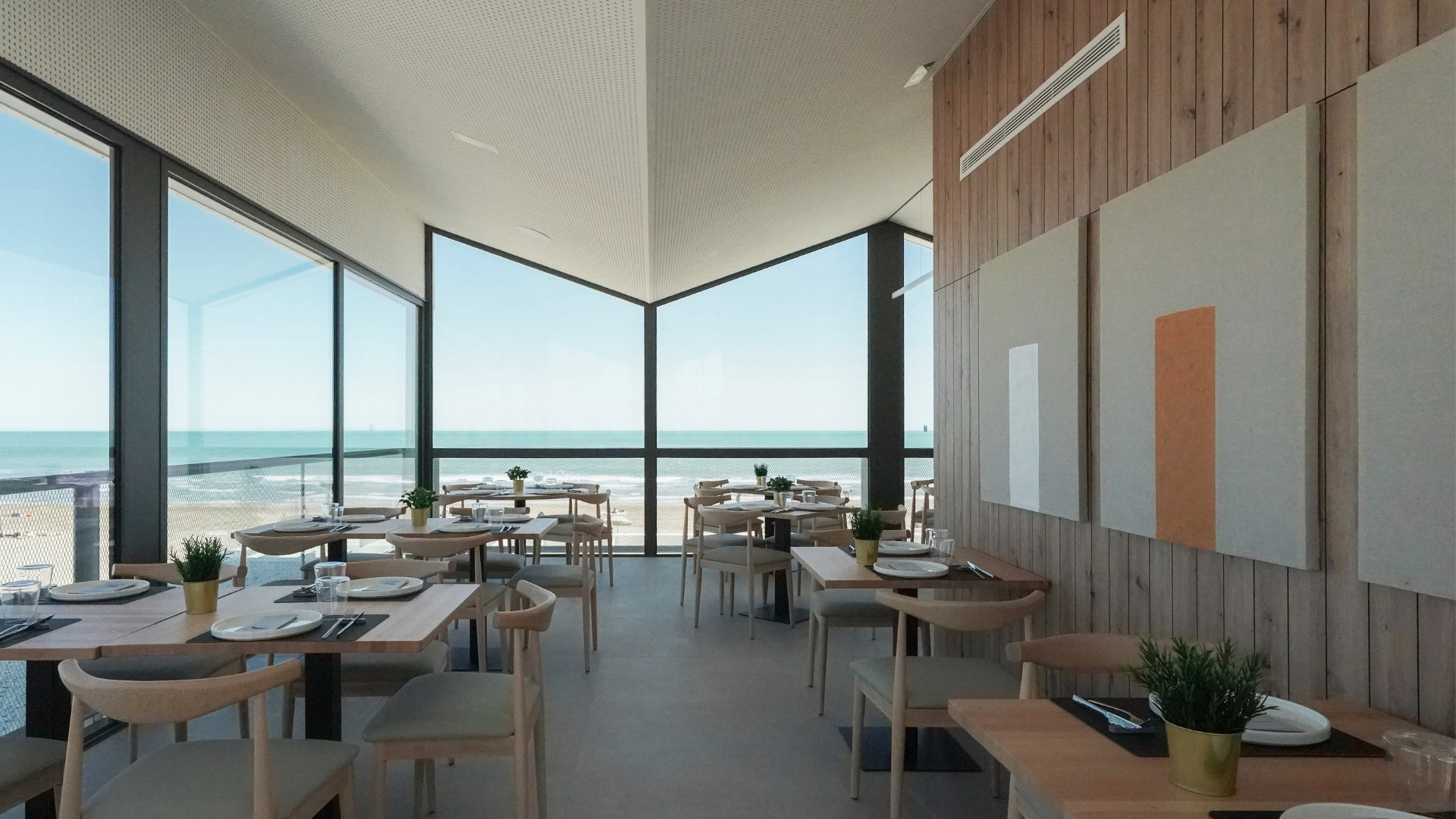
Interior restaurante El Bobo
Cocina industrial El Bobo
Interior restaurante El Bobo con vistas
Restaurante El Bobo renovación
Vista trasera restaurante El Bobo

The renovation process,
interviews with the owners

El Bobo is passion, hard work and a lifelong dream here on the beach in Valencia,” explains Vicente, owner of El Bobo.

A story that reflects the commitment of several generations to continue being part of the Malvarrosa seafront. The decision to embrace industrialised construction is also part of that continuity.
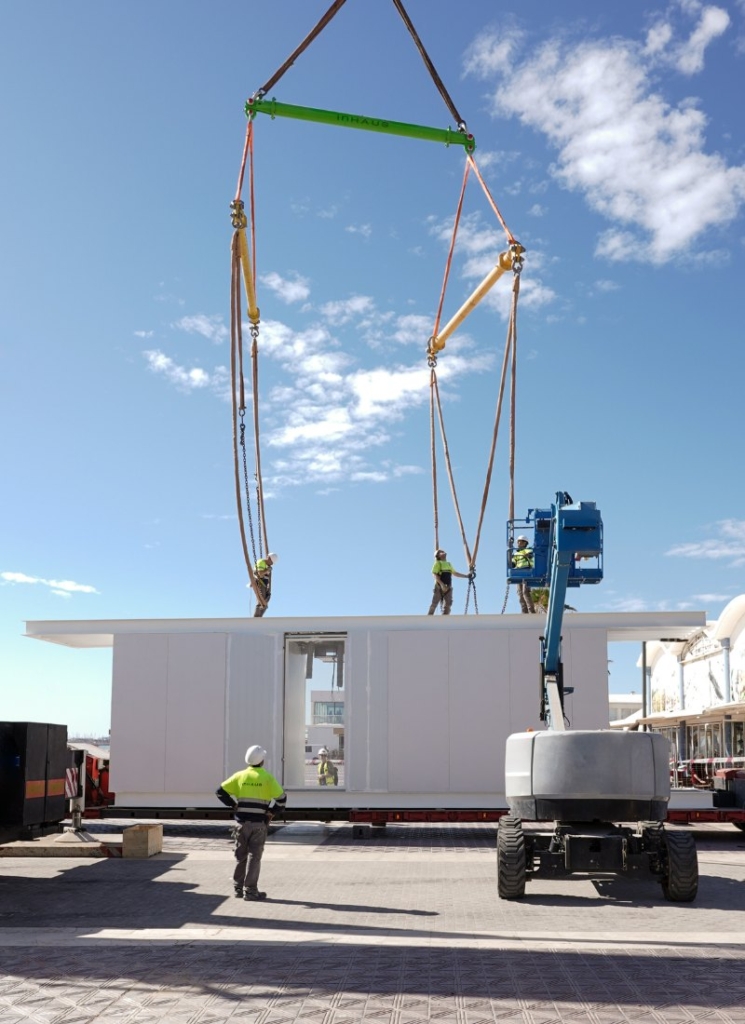
Compared to a traditional construction process, which would have required more than a year of closure, the modular solution made it possible to significantly reduce timelines and maintain activity during much of the process.

This video shows the complete renovation process of the restaurant: from the factory production of the modules to their transport and installation on the seafront promenade.

La Murciana is the second restaurant to complete its transformation within the renovation process of the Malvarrosa seafront promenade, consolidating the implementation of industrialised construction in this environment.
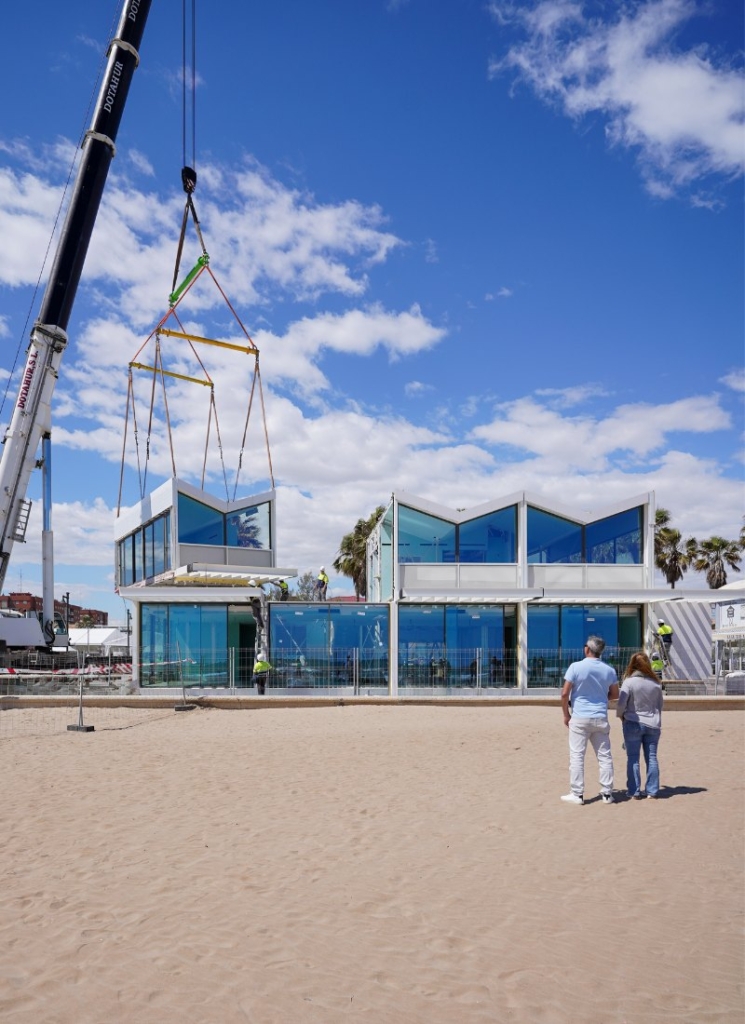
The project was developed from the architectural design by Jorge Quesada, with a proposal that maintains openness towards the sea and a direct relationship with the promenade. Based on this design and applying the industrialised construction system, the Casas inHAUS team manufactured the modules in the factory and installed the restaurant in its original location. The kitchen development and interior design were carried out by Martino Gareti, completing the project in its final phase.

The new La Murciana is conceived as a renewed space where the modular construction system and interior design work together to respond to the current needs of the restaurant while preserving its identity.

The history of La Murciana

La Murciana is, above all, a family story.

A project that began with the previous generation and still preserves the essence with which it first started.

The family remains at the head of the restaurant, embracing this new stage with the same enthusiasm and commitment. As they themselves explain, the structure may change, the design may evolve and the team may grow, but one thing remains unchanged: the ritual of enjoying a good rice dish by the sea.
Proceso reconstrucción restaurante Malvarrosa
Implantación nuevos chiringuitos Malvarrosa
Implantación módulo restaurantes Malvarrosa
Implantación restaurantes inHAUS
Proceso implantación módulos restaurantes
Restaurante implantado Malvarrosa
La Alegría de la Huerta tercer restaurante renovado

The transformation of La Alegría de la Huerta into a new construction model represents the third renovated restaurant on the Malvarrosa seafront promenade.

The project was developed from the architectural design by Jorge Quesada, with a proposal that reinforces openness towards the sea and its relationship with the surrounding environment. The manufacture of the modules and their installation were carried out by Casas inHAUS. The project is completed with the kitchen design by Muñoz Bosch and the interior design by Francesc Rifé Studio, creating a space that combines construction precision and quality in every detail.

The history of La Alegría de la Huerta

Located next to the former Las Arenas spa, the restaurant grew as a familiar and welcoming place deeply connected to the life of the neighbourhood. It became one of the landmark beach restaurants along the promenade.

Behind its daily operation there was not only a professional team, but entire families involved in the life of the restaurant, shaping an identity that extended far beyond hospitality itself.

After more than 40 years of history, that essence remains alive through José and Mª Ángeles, who continue leading the business while preserving the connection to its origins. La Alegría de la Huerta remains, above all, a restaurant rooted in maritime tradition, where history, local cuisine and a particular way of understanding hospitality still hold a central role.

Renovación restaurante La Alegría de la Huerta
Implantación La Alegría de la Huerta
inHAUS implanta restaurante Malvarrosa
Renovación restaurante Malvarrosa
Implantación módulo La Alegría de la Huerta
Construcción modular restaurantes
Implantación La Alegría de la Huerta Malvarrosa
Renovación La Alegría de la Huerta