111 modelos, 20 nuevos

Selector idioma


Practical guide: how to request a quote
from a construction company

We explain what documentation you need and what to consider
when requesting a quote from a construction company

Requesting a quote from a construction company is one of the key stages in the process of building a home. However, it is often approached without sufficient information, which can lead to inaccurate estimates, misleading comparisons or decisions based solely on price. Before reaching this stage, it is important to understand that building a home follows a logical process.

1. Choosing the plot

The first step is selecting the land, where it is essential to assess its urban planning, legal and technical feasibility. You can refer to our checklist: what to consider before buying a plot of land.

2. Developing the project with an architect

The next step is to develop the project with an architect. This is when the home is defined from both a technical and construction perspective. At Casas inHAUS, in addition to being a modular construction company, we are also an architectural studio.

3. Requesting a quote from the construction company

Only once these steps have been properly addressed does it make sense to request a quote from a construction company. The more defined the project is, the more accurate and reliable the quote will be.

In this article, we focus on this final step.

At Casas inHAUS, we carry out the second and third steps simultaneously. As both an architectural studio and a construction company within the same team, we can support you from the project development phase, avoiding the involvement of multiple parties and enabling a more direct and coordinated process.

Thanks to this model, project development and budget definition are handled in parallel, allowing technical, construction and financial decisions to be made from the outset, with a comprehensive overview of the project.

_What do you need before requesting a quote
from a construction company?

One of the most common mistakes is requesting a quote from a construction company too early, when key aspects of the project have not yet been resolved. This often leads to unrealistic figures that are difficult to compare and carry a high risk of cost overruns during construction.

Therefore, before moving on to the quoting stage, it is important to have the following information in place:

Planning status and building permit

To be able to build, the project must comply with local planning regulations. This is initially verified through the concept design, which is submitted to the local authority to apply for planning permission.

Subsequently, once the detailed design has been approved, the building permit is granted, allowing construction to begin.

Accurate site information

It is essential to understand the characteristics of the plot through two key studies:

  • Geotechnical study, which analyses the soil conditions and determines the appropriate foundation system.
  • Topographical survey, which defines the actual dimensions, slopes and physical conditions of the plot.

These studies are necessary for the project and have a direct impact on construction costs. A sloped site or one with complex conditions may require earthworks or more expensive structural solutions.

A fully developed detailed design

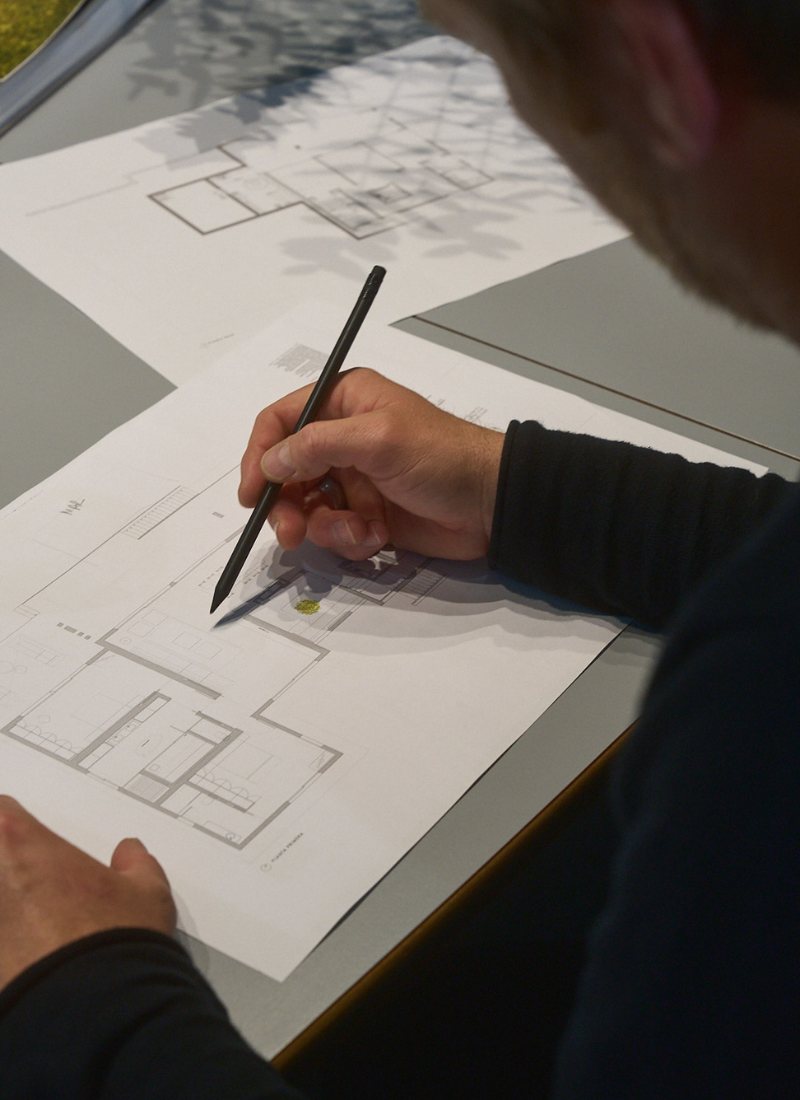
The detailed design (construction project) is what allows the contractor to accurately calculate the cost of the build, due to the level of technical detail it includes.
It covers drawings, technical specifications, scope of works, materials, level of finishes, supplier models and brands, building systems and measured quantities for each work package.

Unlike the concept design, which defines the overall layout, the detailed design provides the technical definition required for construction. The more complete it is, the more accurate the quote will be.

With all this information in place, we recommend requesting quotes from several construction companies (typically three) in order to compare different options.

Beyond the final price, it would be a mistake not to consider other key factors that influence decision-making, such as experience, scope of services, construction timelines, quality, technical team, skilled workforce and each company’s way of working.

Depending on the construction method used, the final cost can vary significantly.

Estandarización de procesos

Automatización

Lean Manufacturing en fabricación

Integración temprana de todos los agentes del proyecto

Digitalización del proyecto (BMI)

Producción en fábrica

Logística avanzada

Lean Construction en montaje

_The complete guide to requesting a quote
from a construction company

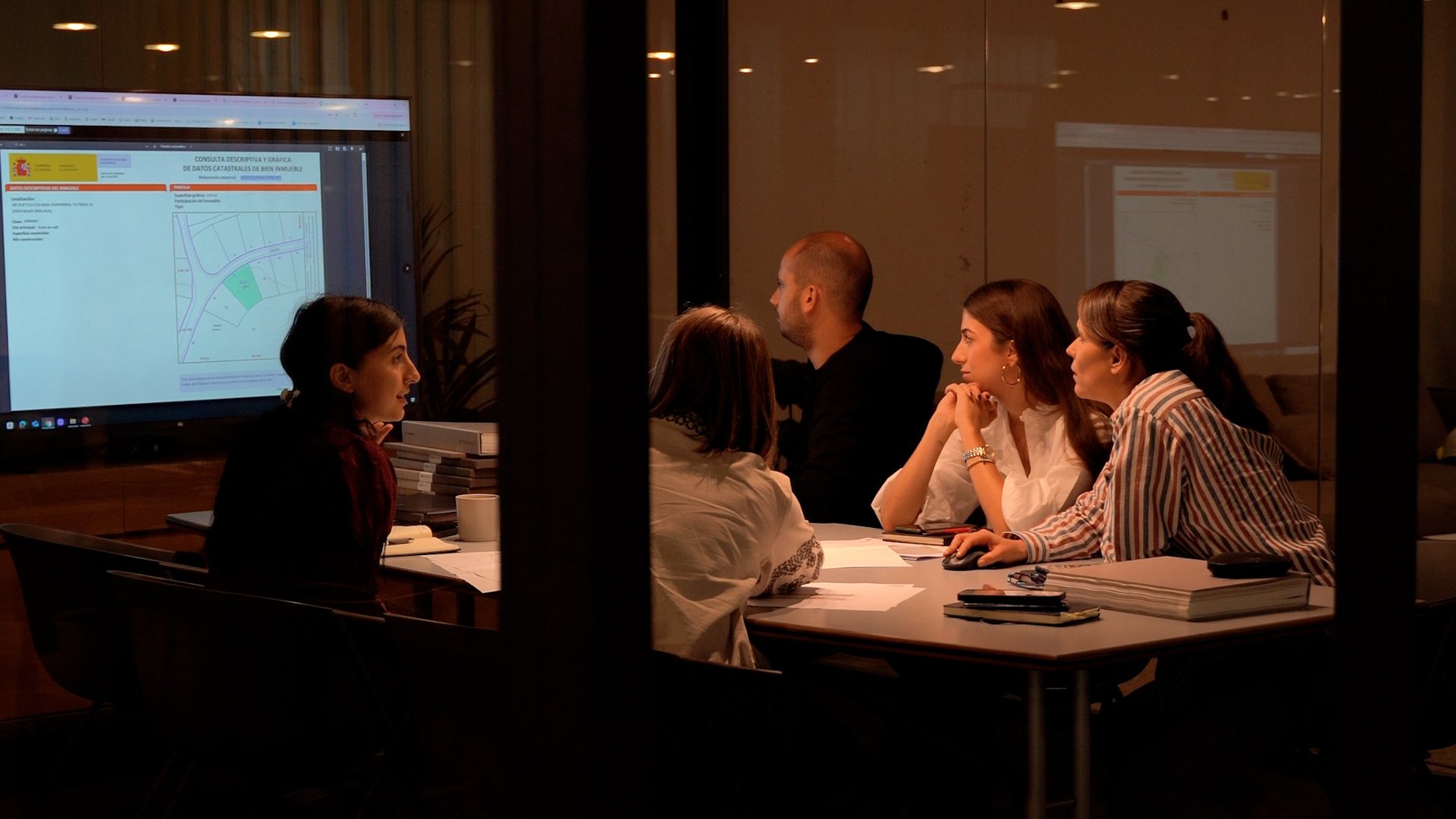
Requesting a construction quote from a contractor involves analysing a range of factors that determine not only the cost of the build, but also the quality, timelines and level of control throughout the entire process.

grado 1

Experience and team

Not all construction companies are focused on the same type of client, nor do they have the same level of experience. Some specialise in single-family homes, others in renovations, property development or industrialised construction.

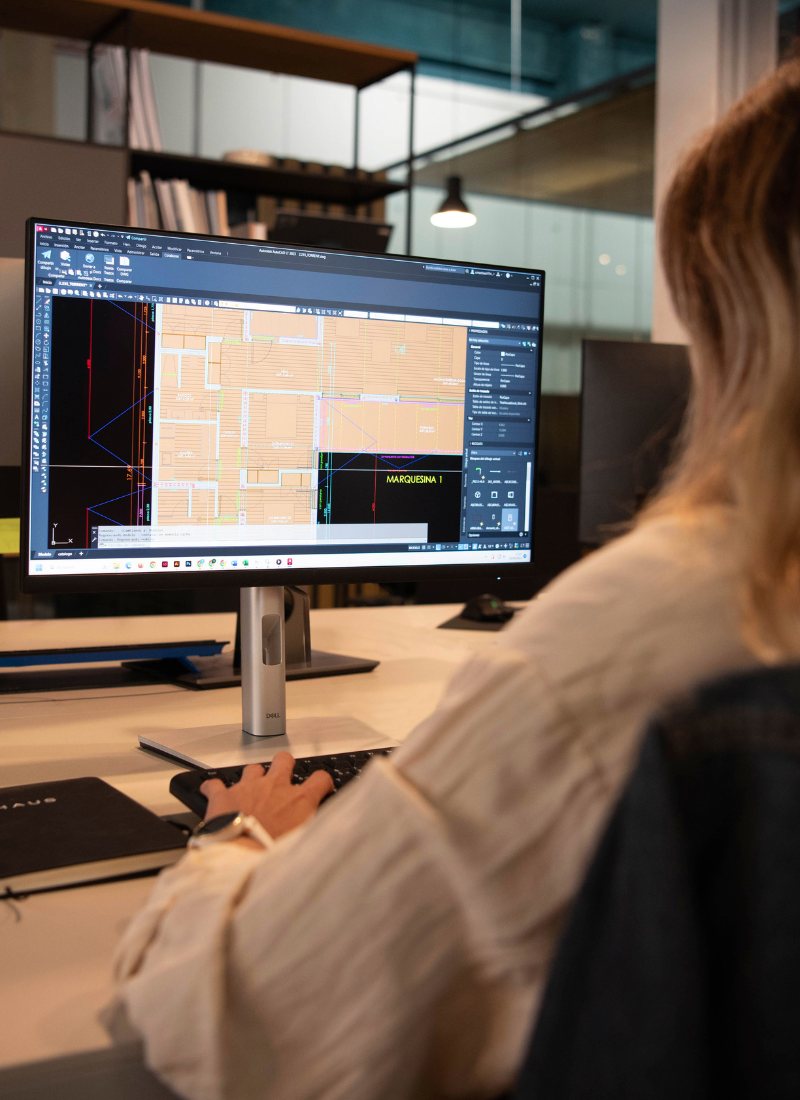
Beyond experience, it is important to understand the company’s structure. Working with a contractor that has an in-house technical team—architects, engineers and project managers—along with a well-established administrative and financial department, allows for a much more organised, controlled and manageable process for the client.

This type of organisation has a direct impact not only on construction execution, but also on planning, monitoring and the ability to respond to unforeseen situations.

grado 2

Quality of execution and previous work

It is essential to assess the quality of the contractor’s previous work. Reviewing completed projects helps to understand the level of detail, the quality of finishes and the consistency between what was designed and what was built.

Offering the possibility to visit completed homes or projects under construction provides a much more realistic perspective.

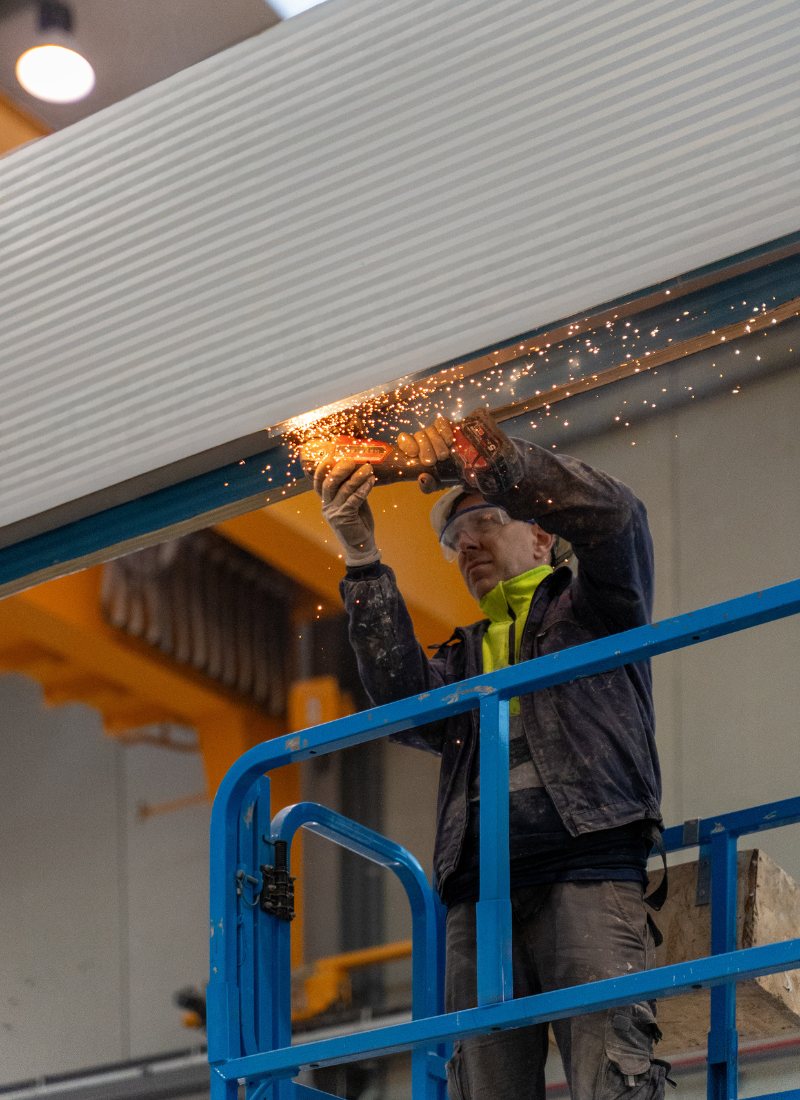
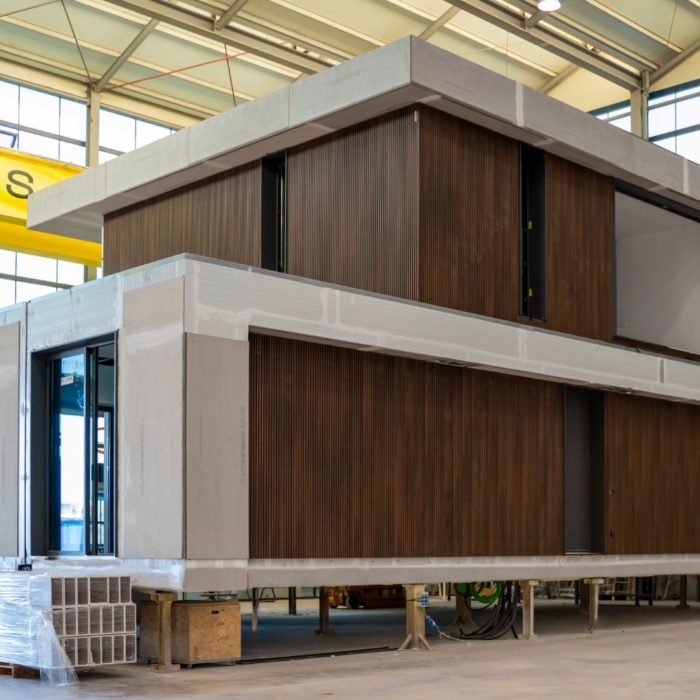
In the case of off-site construction companies, this becomes even more important. Unlike traditional construction, a significant part of the process takes place in a factory. Being able to visit the facilities and see homes at different stages of production allows for a better understanding of the construction system, quality control processes and the actual level of industrialisation of the project.

These types of visits provide transparency and help clients make more informed decisions.

 
Pedir presupuesto equipo profesional
Presupuesto constructora calidad de ejecución
Guía presupuesto equipo profesionales
grado 3

Full-service vs partial project management

It is important to consider the type of service offered by the construction company. Not all companies operate with the same scope, and this has a direct impact on project organisation, level of definition and the management responsibility assumed by the client.

In general terms, two models can be distinguished: partial project management and full-service or “turnkey” delivery.

  • Partial project management involves greater complexity in coordination but may offer more flexibility. The client must take on a significant part of the coordination between all stakeholders, which can lead to misalignment between design and execution, lack of coordination, a higher risk of cost overruns and reduced overall control of the process..
  • If a construction company operates under a full-service (turnkey) model, it means that a single team is responsible for developing and coordinating all phases, from design through to execution. The client is supported throughout the entire process. These companies typically have multidisciplinary teams (architects, technical staff, project management, interior design, visualisation, administrative and financial teams) working in a coordinated way to deliver a comprehensive service.

There is no single “better” model—it depends on the client’s situation—but it is essential to understand how each approach impacts the development of the project.

Guía presupuesto constructora personal técnico
Guía presupuesto constructora garantías y permisos
Guía presupuesto constructora formas de pago
Guía presupuesto constructora servicio integral
grado 4

Price and payment terms

There are several factors that can influence the construction budget. Depending on the characteristics of the plot, the contractor may require a more detailed geotechnical or topographical study, or special foundation solutions. In some cases, specific machinery may also be needed due to limited site accessibility.

Depending on the construction method, building a home can be a lengthy process, which increases the risk of cost overruns and deviations from the initial budget.

A 3D modular construction company is better positioned to offer fixed prices and timelines from the moment module production begins. This is possible because modules are manufactured in a controlled environment, reducing the unforeseen issues typical of traditional construction that can drive up costs.

In most projects, payment terms are structured in stages. An initial payment is usually made upon signing the contract, followed by progressive payments linked to construction milestones.

grado 5

Clear and detailed quote

A construction quote should be broken down into clearly defined sections covering all project components. Each section corresponds to a specific scope of work and is organised according to the construction timeline.

Each item should include a reference code, unit of measurement, detailed description and quantity, leading to the final total cost.

A high level of detail provides transparency and allows the client to clearly understand how the investment is distributed across each phase of the project.

grado 6

Warranties

It is important to understand what warranties the construction company offers, what they cover and how post-construction issues are managed.

In general, both traditional and industrialised construction companies in Spain are governed by the Building Regulation Act (LOE), which establishes mandatory legal warranties:

  • One-year warranty covering material defects affecting finishes or workmanship.
  • Three-year warranty covering defects in construction elements or installations that affect habitability.
  • Ten-year warranty covering structural defects affecting foundations, beams, columns, slabs or other structural elements that compromise the building’s stability.

At inHAUS, we provide a dedicated after-sales service backed by our experience, reputation and completed projects.

icono

Licences, insurance and legal compliance

The construction company must comply with all legal requirements. This includes having civil liability insurance, workplace accident coverage and being up to date with all tax and labour obligations.

Although not always requested, asking for this documentation is a way to ensure that the company operates legally and to reduce risks during construction.

_Why choose inHAUS
to build your home?

At Casas inHAUS, we industrialise projects designed by external architectural studios, adapting traditional construction designs to a modular building system.

As a modular construction company, we offer a turnkey service, managing the entire home-building process from start to finish. We are able to provide a fixed price and timeline even before the detailed design is fully developed. This is made possible by our industrialised model, which allows us to design, measure and manufacture with precision. In addition, materials are procured before construction begins, eliminating the risk of price inflation during the process.

Our team is made up of highly qualified professionals, including architects, draftspeople, engineers, production managers and skilled workers. All of them share a comprehensive understanding of the project throughout every stage. The technical team is also supported by a financial and administrative department, ensuring strict control and management of the entire process.

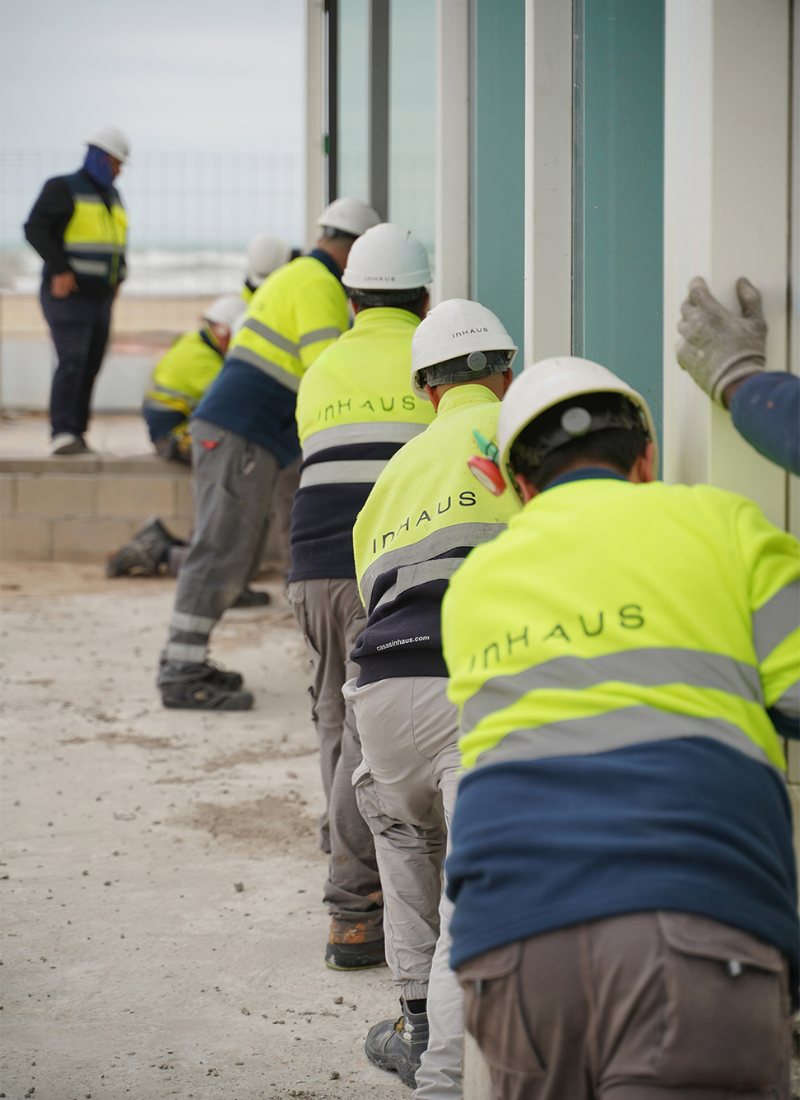
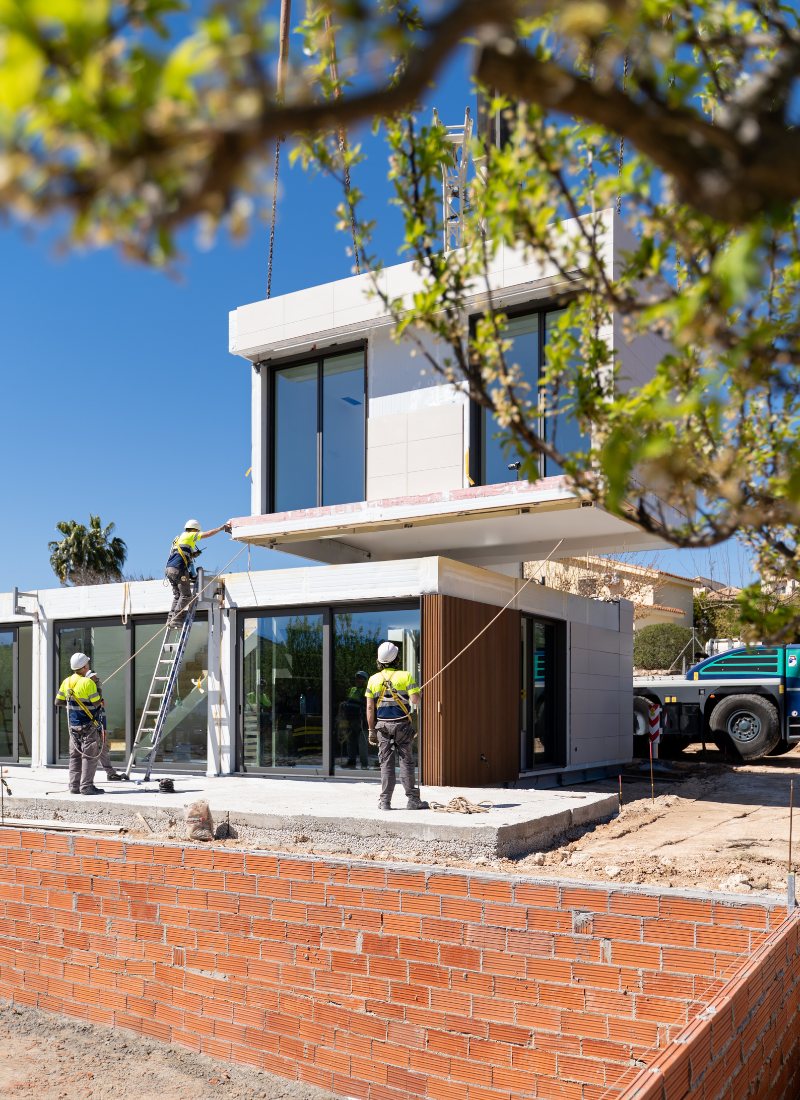
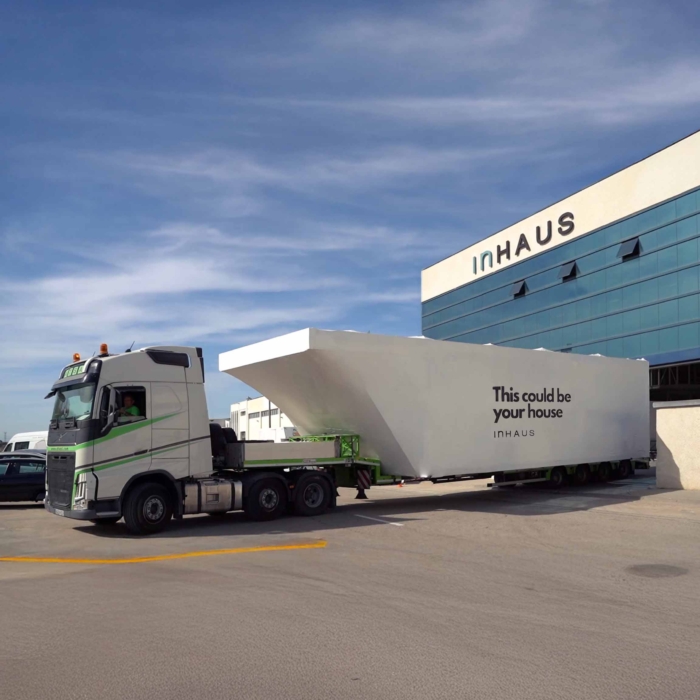
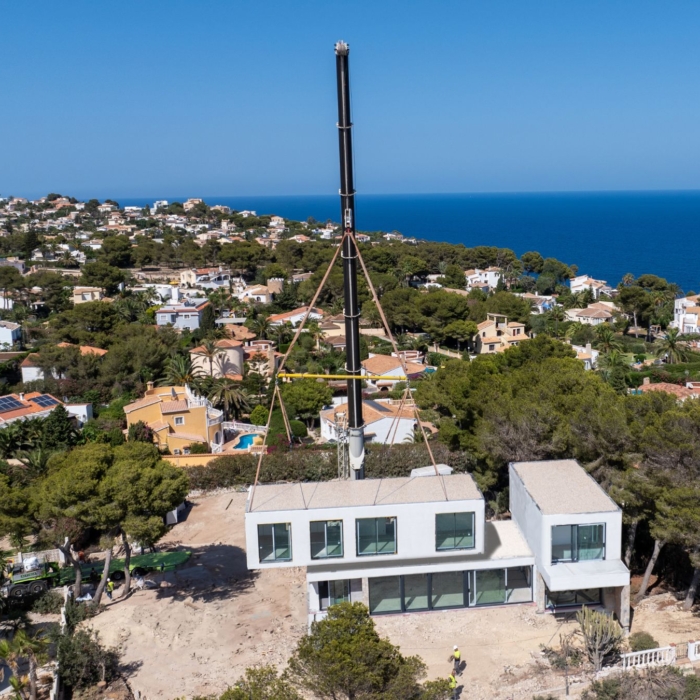
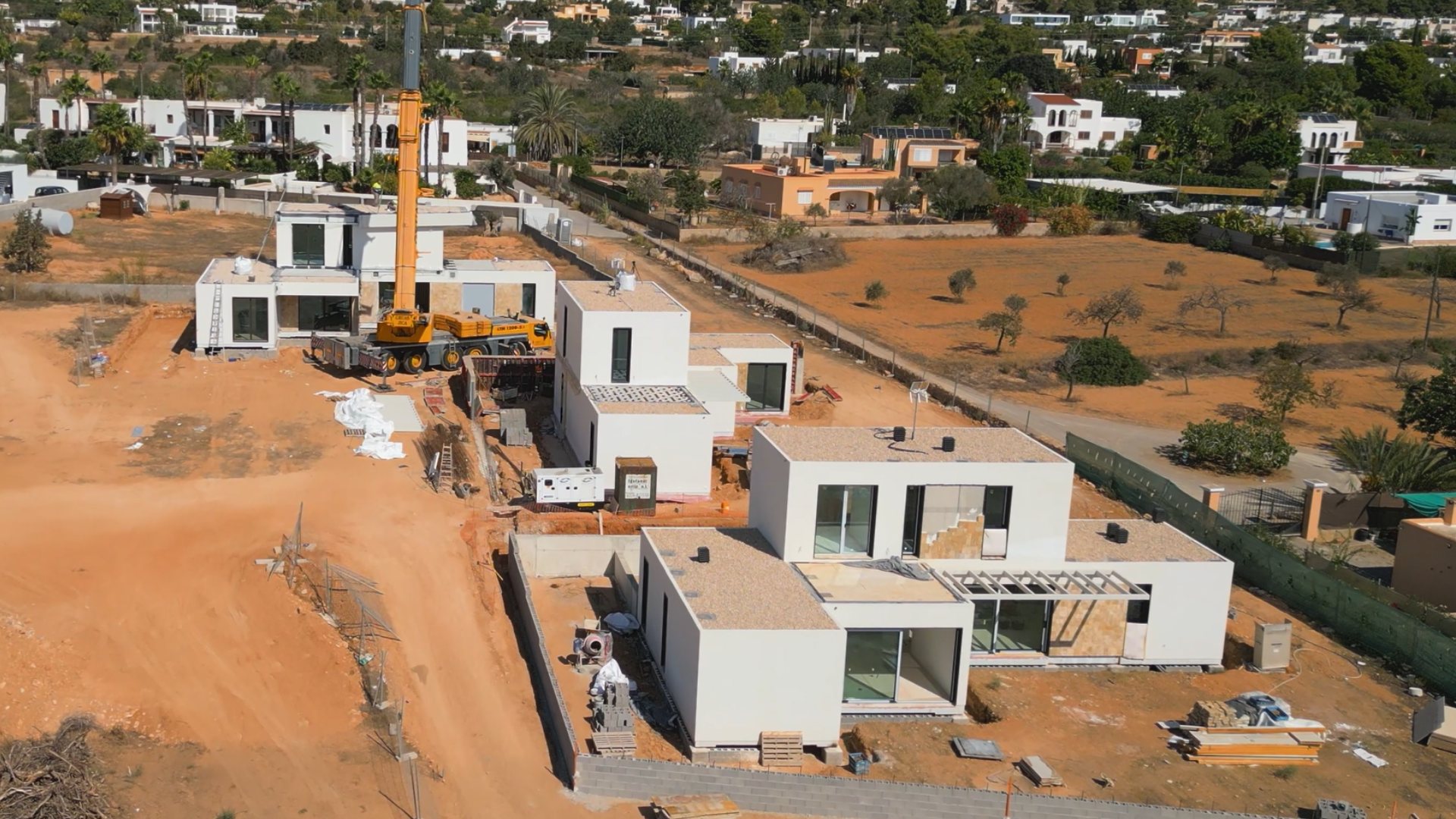
Homes are manufactured up to 95% in our facilities within a controlled environment, allowing any deviations to be corrected in real time and minimising unforeseen issues. The manufacturing phase typically takes between 5 and 7 months, depending on the scale of the project. Once completed, the home is delivered and installed on-site in a single day.

_Conclusion

Requesting a quote from a construction company goes far beyond comparing prices. It is a decision that shapes the entire construction process and the final outcome of the home.

Assessing the company’s experience, evaluating its services, understanding the professional team and reviewing the conditions offered are key factors in making a well-informed decision.